How to Pay a Chinese Used Truck Supplier 2026: T/T, L/C and Fraud Prevention
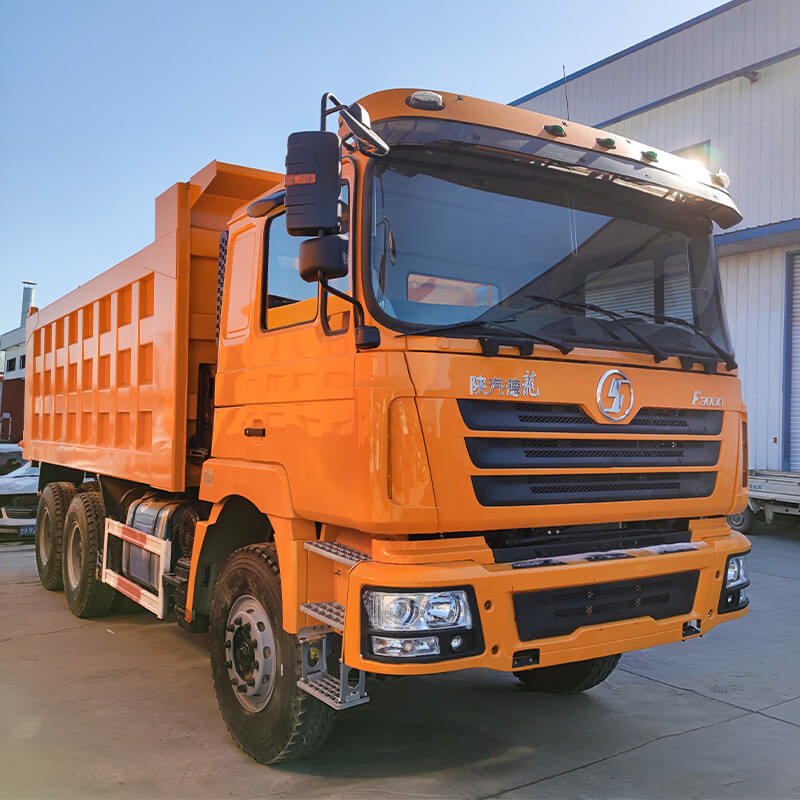
Price and truck condition decide whether a used truck deal is good - but the payment structure decides whether you survive it. This guide sets out the payment methods used in China used truck export in 2026, the milestones each payment stage should be tied to, and the fraud patterns that recur every season. It complements our price benchmarks in the five-brand FOB table and the inspection checklist in the buyer verification guide.
The standard 30/70 T/T structure
The industry default for repeat and mid-size buyers is telegraphic transfer in two stages: about 30 percent deposit to reserve and start refurbishing the unit, and the remaining 70 percent before shipment - typically after pre-shipment inspection is passed but before the bill of lading is issued. First-time buyers are often asked for a higher upfront share, while trusted repeat buyers may negotiate balance against a scanned B/L copy. Any structure is workable as long as the balance is linked to a verifiable event, not to a promise.
When a letter of credit makes sense
A sight letter of credit shifts trust from the supplier to documents. It makes sense for large fleet orders - usually above roughly USD 100,000 - where the buyer wants the bank to release funds only against a clean B/L, inspection certificate and invoice set. The trade-offs are real: L/C fees typically add one to two percent, documents must match exactly, and many smaller Chinese exporters decline L/C because their margin will not absorb discrepancy risk. For mixed multi-unit orders in the USD 20,000 to 80,000 range, staged T/T against third-party inspection is usually the faster and cheaper route.
Pay against milestones, not promises
- Milestone 1 - deposit: contract signed with full vehicle specification, unit VIN listed, delivery window and warranty stated (30 to 90 days is common on refurbished units).
- Milestone 2 - refurbishment evidence: dated photo and video set of engine bay, chassis number, cabin, tyres and hydraulic systems before any second payment tranche.
- Milestone 3 - pre-shipment inspection: independent third-party inspection, commonly USD 150 to 350 per truck, with the report shared before balance payment.
- Milestone 4 - balance: paid after inspection report acceptance; exporter books shipping and shares the B/L copy once the vessel sails.
- Milestone 5 - original documents: originals follow by courier or telex release once funds clear.
Seven red flags before you send money
- Requests to pay into a personal bank account or a wallet instead of the company account shown on the business licence.
- Prices far below the published 2026 FOB benchmarks - a tractor head quoted 40 percent under market is not a bargain, it is bait.
- No verifiable used vehicle export qualification or reluctance to share the company registration number.
- Refusal of third-party inspection or insistence on supplier-only photos.
- No written specification sheet, or a contract without the company chop.
- Pressure to pay the full amount quickly because other buyers are supposedly waiting.
- A yard that cannot be visited or verified by live video call on request.
One more screen: ask whether the supplier operates under the T/CADCC 009-2025 remanufacturing standard - exporters aligned with the standard are used to documented, inspectable refurbishment.
Currency and transfer practicalities
Invoices are normally in US dollars; confirm who bears correspondent bank charges, and expect USD 30 to 80 in total routing fees on an international transfer. Keep every payment record - contract, invoice, bank slip and customs declaration must stay consistent, which also protects the exporter when filing the export tax rebate that keeps pricing stable. For buyers clearing at Lagos or other high-attention ports, align payment timing with the customs document timeline described in our Lagos clearance guide so the balance is never released while documents are still incomplete.
The bottom line: never let the payment schedule run ahead of the evidence. Deposit for commitment, evidence for progress, inspection for balance, documents for the original set.