Clearing Used Trucks at Lagos Ports 2026: Form M, PAAR, VehCAP and the Duty Math

Nigeria keeps appearing at the top of every used truck demand ranking. Industry data counts around 4,352 used heavy trucks imported from China in 2025, and the first four months of 2026 already exceeded 3,600 units. Fleet demand is widening further as Dangote expands its CNG truck fleet and the Lagos-Ibadan and northern corridors keep hauliers replacing units. Yet the question our Nigerian buyers ask most is not about price or models - it is about how to get a truck out of Apapa or Tin Can Island without losing weeks. The answer is almost never the port itself. It is paperwork that should have been done before the vessel ever left China. Here is the full 2026 clearance sequence.
1. Form M Opens Before the Truck Ships - Not After
The single most important rule in Nigerian importing: a Form M must be opened at an authorized dealer bank before the cargo leaves the origin port. The Form M links the shipment to a Nigerian bank, an importer of record and a validated invoice value. Every later step - the PAAR, the duty assessment, the release - hangs off that number.
Clearing agents at Lagos consistently rank a missing or late Form M as the leading cause of serious port delays. A truck that arrives without one sits in the yard while documents are rebuilt from zero, and demurrage runs every day. If your supplier tells you the Form M can be sorted after arrival, treat that as a red flag on the whole shipment.
2. PAAR: The Pre-Arrival Assessment Report
Before the vessel berths, Nigerian Customs issues a Pre-Arrival Assessment Report (PAAR) based on the Form M and the declared HS code. PAAR fixes the duty assessment in advance, which is what lets a well-prepared shipment clear in days instead of weeks.
One warning on valuation: Nigerian Customs assesses duty against its own VIN and fair-market-value database, and that database frequently sits above the invoice value. Budget for assessment on the customs value, not your purchase price, or the duty bill will surprise you at the gate.
3. Standards Certificates: SONCAP and VehCAP
Regulated imports require SONCAP conformity documentation from the Standards Organisation of Nigeria, and vehicles specifically go through the SON-NADDC VehCAP pre-shipment certification. These are arranged on the export side, before loading. A truck that arrives without them faces inspection delays that no amount of clearing fees can shortcut.
4. The Duty and Levy Stack on Trucks (HS 8704)
Used trucks fall into the ECOWAS CET band, with import duty on the CIF value plus a stack of levies:
- Import duty: roughly 10-20% of CIF depending on the exact HS line.
- VAT: 7.5%.
- Automotive (NAC) levy: market sources report the used-vehicle levy was cut from 15% to 5% in 2026, with a 2-4% green levy added in its place - confirm the current stack with your agent before you commit, because the transition is still settling.
- CISS levy: 1%, plus smaller statutory charges and a 4% FOB-based levy reported by some sources.
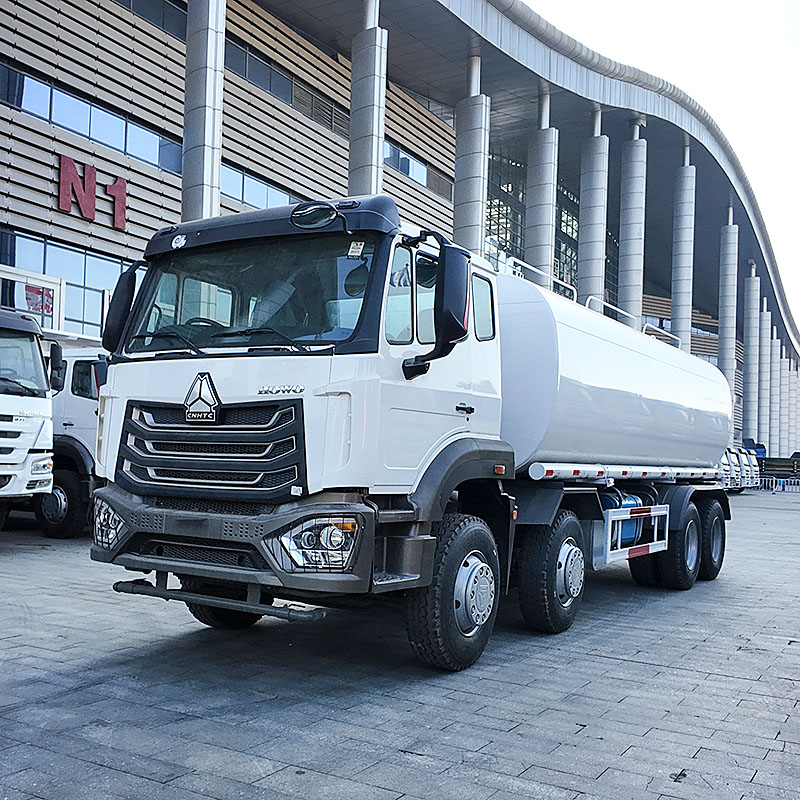
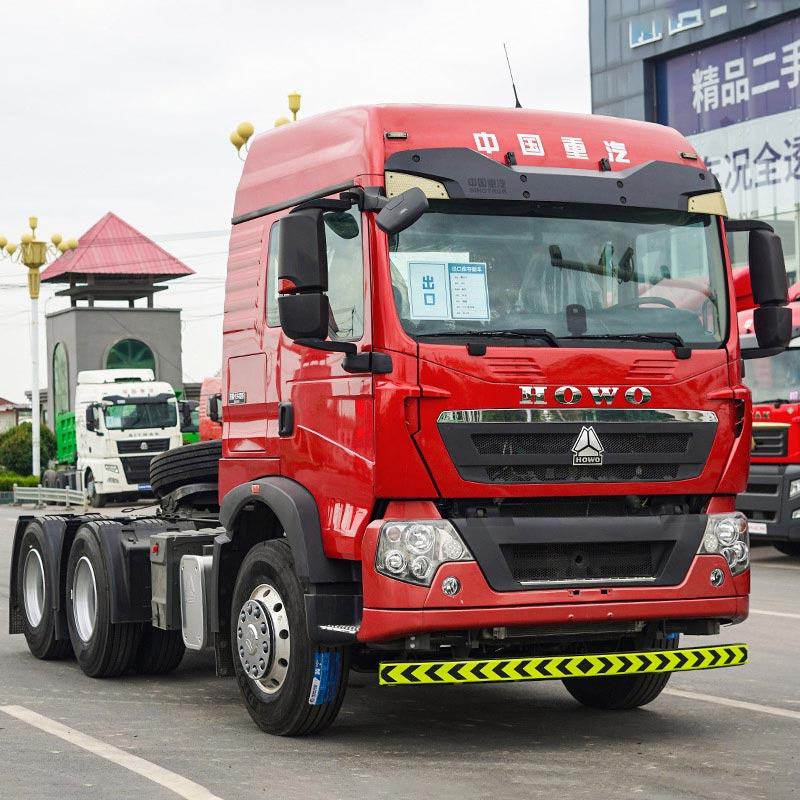
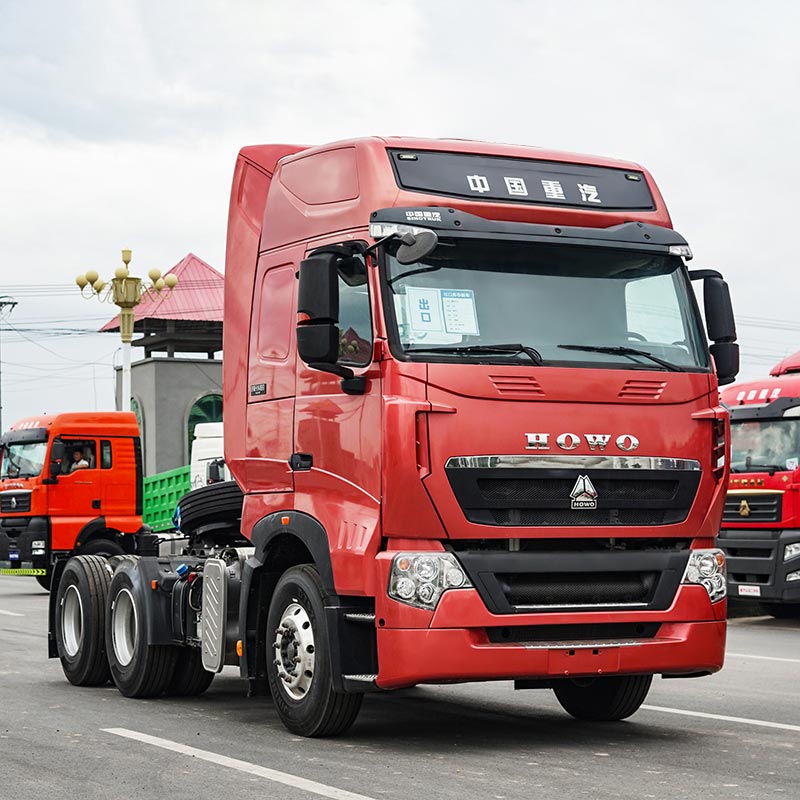
Worked example: a 2020 HOWO 371 6x4 tractor at $14,800 FOB Tianjin, $2,200 RoRo freight and $280 insurance lands at $17,280 CIF Lagos. Duty and clearing of roughly $5,200 brings the truck to about $22,480 on the road - and buyers in Kano report customs clearance inside two weeks on a clean file. Total taxes and fees generally land at 30-50% of CIF depending on the HS line and the customs valuation.
5. Age Rules and Steering Side
Enforcement practice for used commercial trucks is commonly cited between 12 and 15 years by HS line and model year. The safe play agents recommend: target 2014 or newer, which clears without argument and holds resale value over the next three to five years. On steering, Nigeria drives on the right - Chinese left-hand-drive trucks are used as-is, no conversion cost, a real advantage over the RHD markets of East Africa.
6. Port Reality: Apapa, Tin Can Island and e-Call-Up
Nigeria clears most vehicles through Apapa and Tin Can Island in Lagos. Both run an electronic truck call-up system, and year-end peaks still stretch container evacuation. RoRo freight from China runs $1,800-2,500 per truck with 28-35 days sailing - and for trucks, RoRo beats containers anyway, since many 6x4 and 8x4 units cannot fit a standard 40 ft box (see our RoRo vs container decision guide).
The 2026 Clearance Checklist
- Form M opened at a Nigerian dealer bank before shipment.
- PAAR issued before vessel arrival.
- SONCAP / VehCAP certificates arranged at the export side.
- Customs valuation budgeted above invoice value.
- Model year 2014 or newer.
- Clearing agent chosen for your specific terminal, not the cheapest quote.
Do the paperwork in this order and Lagos is one of the fastest big markets in Africa to clear. Skip a step and it is one of the slowest. For alternatives, some West Africa-bound buyers route through Cotonou under Benin transit rules - and for the full 2026 market map, start at our traffic-light guide to import rules. Inspect before you wire: our pre-purchase inspection checklist covers what to demand from any supplier.