Q4 2026 RoRo Booking Window for Used Trucks: Lead Times, Rates and Peak Strategy
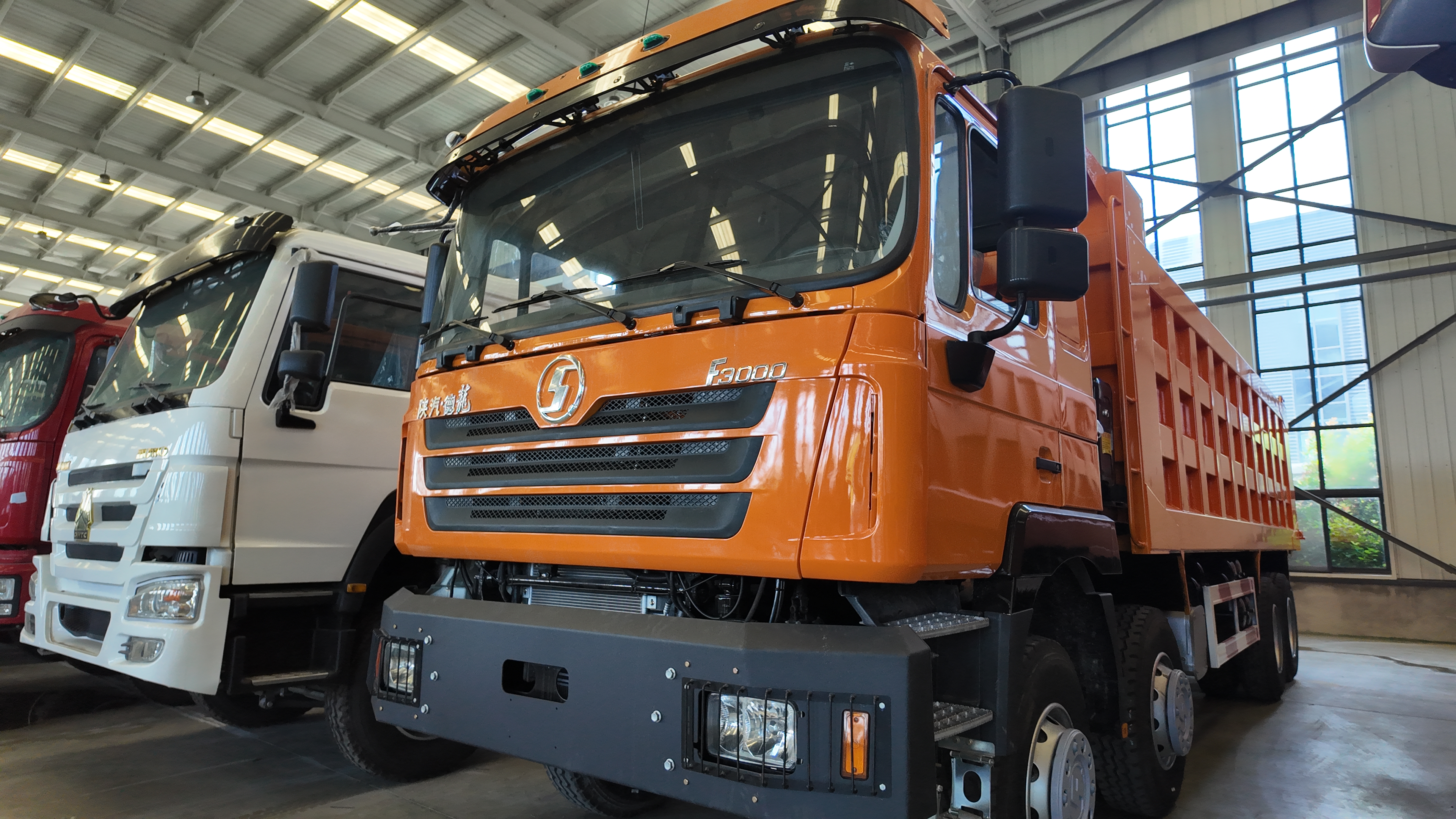
Every quarter has its rhythm in used truck logistics, but Q4 is the squeeze: three demand waves stack on top of each other while vessel capacity on Africa routes remains constrained. Exporters who book late in Q4 routinely wait an extra two to three weeks and pay a premium for it. Here is how the window works in October 2026 and how to position your cargo.
Why Q4 Space Tightens
Three forces converge between October and January:
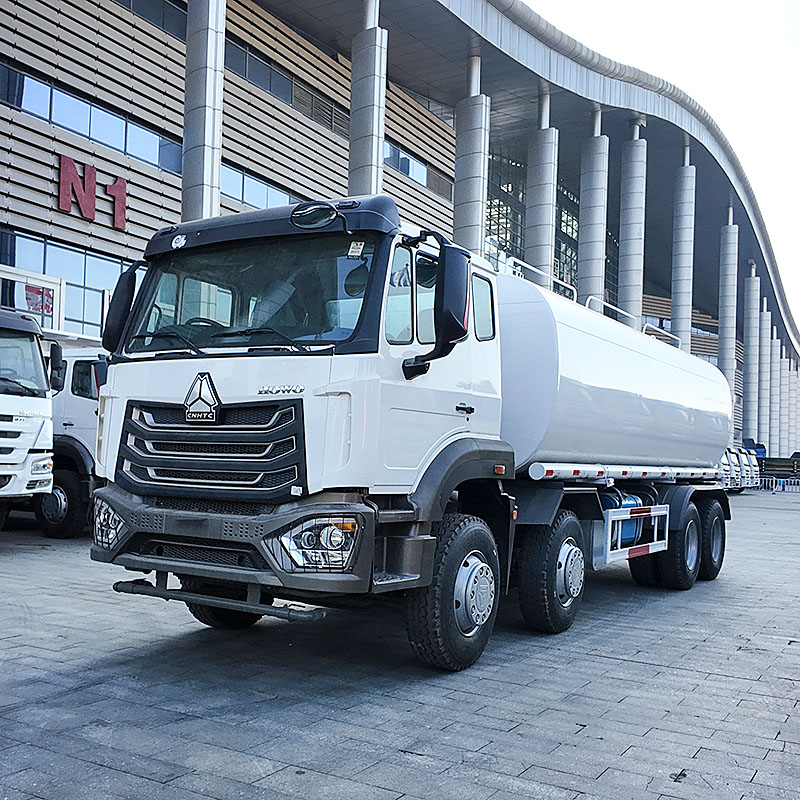
- Africa's dry season starts in November. Construction sites and mine expansions across West, East and Southern Africa mobilise equipment from November through March - the months when unpaved haul roads are actually passable. Dump trucks and water trucks ship now or the projects wait a season.
- Year-end budgets get spent. Fleet operators and government contractors push procurement through before fiscal deadlines, adding a wave of orders in November and December.
- The pre-Chinese New Year factory run. Chinese New Year 2027 falls in mid-February, which means the traditional pre-holiday export rush starts in January: refurbishment yards, inspection stations and ports all run hot, and every sailing in January and early February is contested. Carriers typically impose peak-season surcharges in this window.
On the supply side, capacity remains tight because of the Red Sea situation. As we detailed in our Red Sea surcharge and RoRo capacity analysis, security-related surcharges on affected corridors added up to 23% combined, and booking-to-sailing lead times for heavy trucks stretched to roughly 42 days on the worst-affected routes - about 12 days worse than the pre-crisis norm.
October 2026 Rate Snapshot: China to Africa
Reported RoRo ranges per standard 6x4 heavy truck (dump truck or tractor head), port to port, excluding duties and destination charges. Smaller vehicles typically run 30-40% lower:
| Destination Port | RoRo (USD) | Transit (days) |
|---|---|---|
| Lagos / Apapa, Nigeria | $2,200-3,500 | 25-35 |
| Tema, Ghana | $2,300-3,600 | 25-35 |
| Mombasa, Kenya | $2,000-3,200 | 20-30 |
| Dar es Salaam, Tanzania | $2,000-3,000 | 20-30 |
| Durban, South Africa | $2,600-4,200 | 30-40 |
Treat these as planning ranges, not quotes: fuel surcharges (BAF) and security surcharges move monthly, and space on any given sailing is priced dynamically. The structural point is that RoRo rates to West Africa are up roughly 28-42% since the start of 2026, which is why container loading has re-entered the conversation for tractors.
The Booking Lead-Time Playbook
- Book 4-6 weeks out, minimum. On healthy corridors two to three weeks can work; on Red Sea-affected routings, assume five to six weeks from booking to loading.
- December sailings fill by mid-November. If your units must discharge before the January congestion, confirm space in the first half of November.
- Lock rate validity in writing. Ask for the quotation validity period and surcharge basis in the booking confirmation - verbal rate promises do not survive a peak-season GRI.
- Non-running units cost extra. Trucks that cannot drive on and off the vessel need mafi trailer or flat-rack handling with additional loading fees, and some carriers restrict them outright - check before you buy salvage-condition stock.
- Have the export paperwork ready. China's one-batch-one-licence system issues export licences in about three working days (see our export licence reform guide), but customs inspection queues lengthen in December - build the days into your dispatch plan.
When Container Beats RoRo in Q4
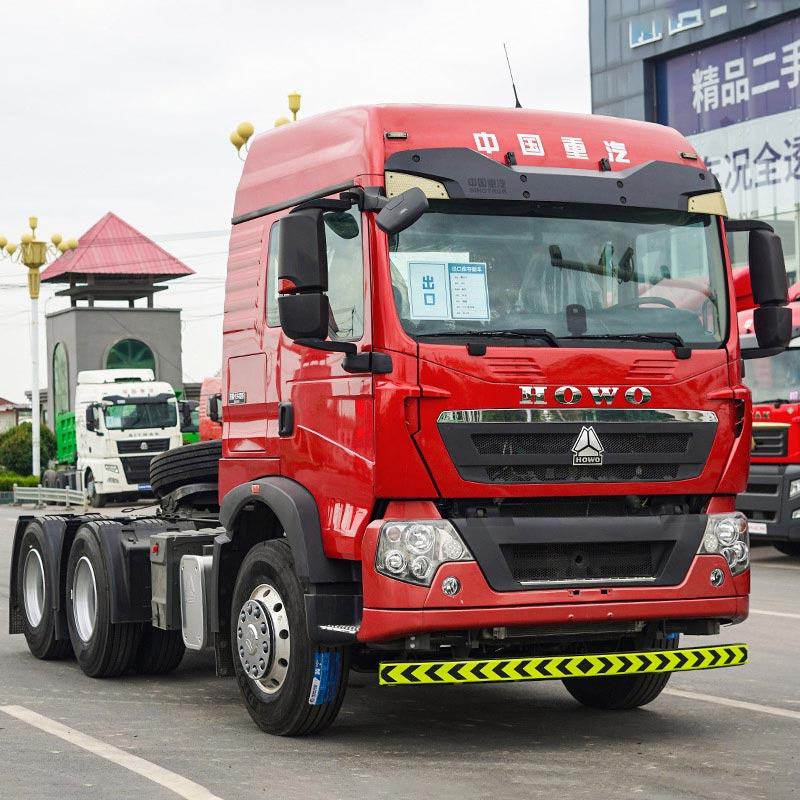
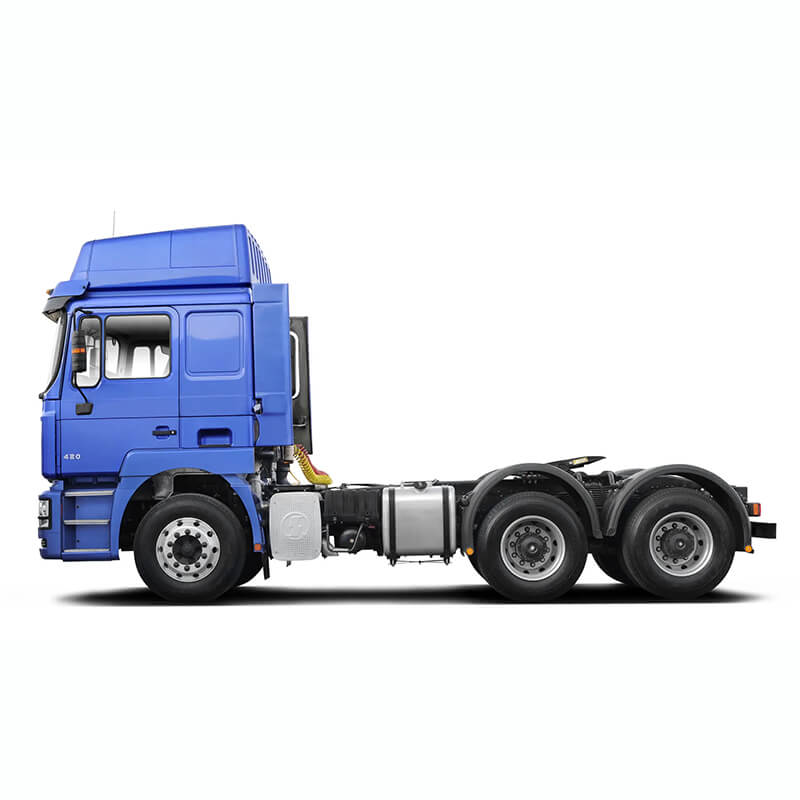
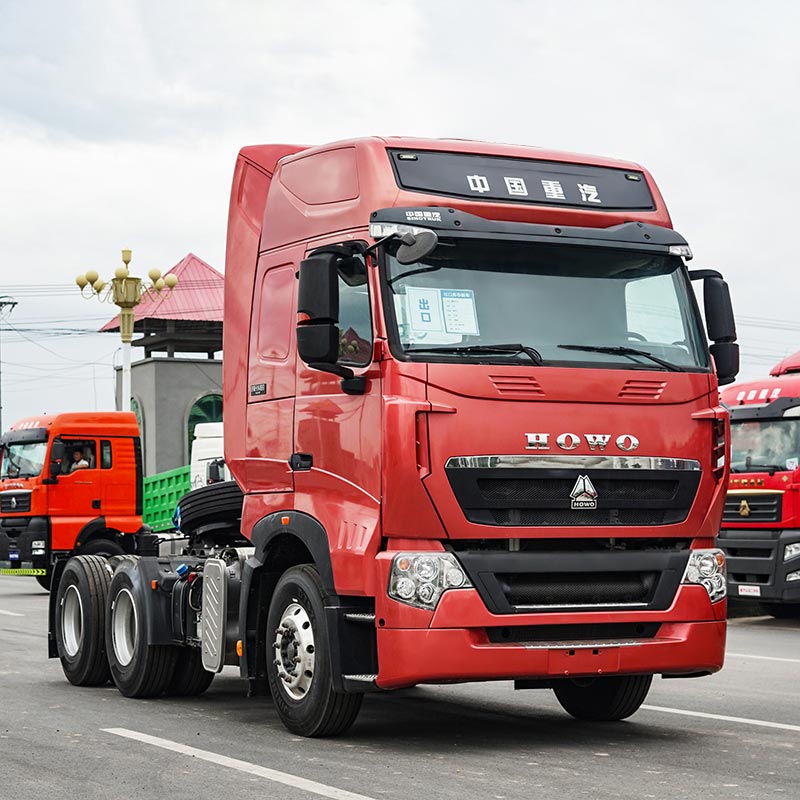
RoRo remains the default for running trucks: faster loading, lower per-unit cost, no container rental. But the Q4 math shifts. A tractor head partially dismantled (mirrors, bumper, air deflector removed) fits a 40ft high-cube container, and when the RoRo premium per unit exceeds roughly $500-1,000 - which happens on West Africa in peak weeks - container loading becomes competitive while adding weather and handling protection. Mixed orders (one truck plus spare parts) also favor containers. Our RoRo vs container decision guide covers the full trade-off, including the 2.35m width limit that rules out some wide-cab units.
Five-Step Q4 Action List
- Fix your vessel window now: choose the discharge port and target sailing week before finalising truck purchases against the 2026 FOB price benchmarks.
- Get two carrier quotes with written validity dates and surcharge line items.
- Stage refurbishment and inspection in October-early November so units are port-ready before the December queue.
- File the export licence application the moment the purchase contract is signed.
- For Lagos-bound cargo, pre-clear the documentation route with our Lagos clearance playbook; for Ghana, re-check the GS 4510 first-week checklist before booking.
Q4 rewards exporters who treat shipping as procurement, not an afterthought. Lock the vessel, then buy the trucks - not the other way around. For fleet-level planning in mining markets, see our Africa mining truck fleet guide, and for the structural demand picture behind the rates, our 2026 export structure analysis. Ready to move units before the rush? Browse the current inventory or contact the TianCheng team for October sailing options.