Red Sea Surcharges and Tight RoRo Space: What Used Truck Buyers Pay in Late 2026
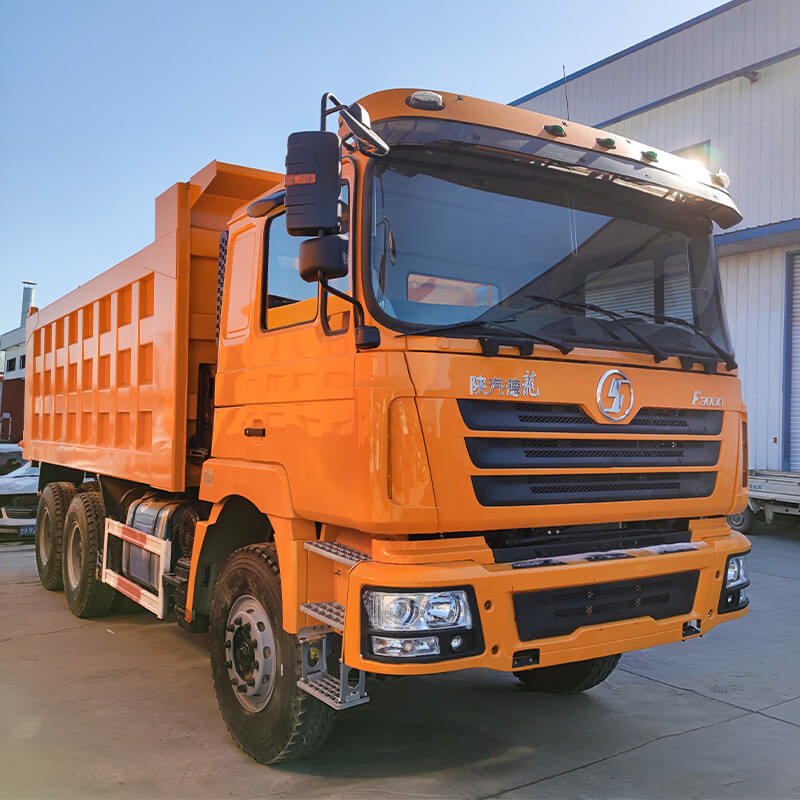
If you are importing a used truck from China in the last quarter of 2026, the ocean leg - not the truck - is now the most unpredictable part of your landed cost. Two forces hit at the same time: security surcharges on the Suez route and a RoRo capacity squeeze driven by record Chinese vehicle exports. This guide explains what changed, what it costs on each corridor, and how to protect your delivery window.
1. What Changed on 1 July 2026
On 28 June 2026 the Suez Canal Authority announced a temporary security surcharge applying from 1 July 2026 to container ships and RoRo vessels, citing continued Red Sea security risks and the normalization of rerouting around the Cape of Good Hope. Carriers passing the charge through reported combined transit costs rising by about 23% on affected services.
At the same time, multiple lines notified the market that heavy-truck RoRo space on routes serving the Middle East, East Africa and the west coast of South America is tight. Average booking-to-shipment time stretched to about 42 days - roughly 12 days longer than the same period last year.
2. The July Renewed Closure and the Cape Diversion
In mid-July a renewed attack closed the main Red Sea corridor again, pushing Asia-Europe services onto the Cape of Good Hope diversion - about 3,500 extra nautical miles per voyage. Spot readings in the following week showed Shanghai-Rotterdam heavy-truck RoRo rates up 23% week-on-week, with delivery cycles extending from about 35 days to 49-56 days. Importers across the Middle East and East Africa started activating backup logistics plans.
For used truck buyers the effect is indirect but real: vessels and space that once rotated through Red Sea services are being repositioned, and carriers prioritize long-term contract cargo - usually new-vehicle OEM programs - over spot used-truck shipments.
3. War-Risk Surcharges on Gulf Routings
Buyers routing through Gulf hubs face a second pressure point. Heightened tensions around the Strait of Hormuz led lines to apply war-risk surcharges and security add-ons. Industry estimates put these at roughly $300-1,500 per unit depending on destination and routing, with marine insurance premiums rising in parallel. Transshipment congestion at Gulf hubs has also lengthened connection times, which matters for Japanese and Korean stock as well as Chinese units moving via Dubai.
4. Why RoRo Space Is So Tight
- OEM volume: record Chinese new-vehicle exports are consuming historic volumes of RoRo space, and carriers allocate capacity to annual-contract shippers first.
- Cape diversion: every re-routed voyage loses effective capacity - the same fleet completes fewer rotations per quarter.
- Spot exposure: used-truck shipments are typically booked on the spot market, so they absorb the first and worst rate increases. Trade reports put spot RoRo rates roughly 30% above year-ago levels on several corridors, with booking lead times of four to six weeks.
5. What Buyers Should Do Now
- Book 4-6 weeks ahead and confirm the sailing date in writing. Do not accept verbal space holds - a held slot that never confirms is the most common way a delivery window slips.
- Lock freight validity in writing. Seven to fourteen days is the current market norm; anything longer will be re-quoted.
- Price the container alternative. A 40 ft container runs roughly $1,800-3,500 on many routes versus $1,200-2,500 per truck RoRo to Africa - and for some 6x4 and 8x4 units the container is the only option anyway. Our RoRo vs container decision guide walks through the trade-offs.
- Budget for war-risk insurance on Gulf-linked routings instead of discovering the surcharge at the port of discharge.
- Re-run your duty math on the new CIF. Duties across most destination markets are assessed on CIF, so every extra freight dollar also raises the tax bill. The Lagos clearance and duty guide shows a full worked example.
Corridor Snapshot
- West Africa (Lagos, Tema, Lome, Cotonou): RoRo commonly $1,500-2,500 per truck, 28-35 days sailing, now quoted with surcharges on top and tighter space.
- East Africa (Mombasa, Dar es Salaam): broadly similar levels, 20-30 days, with Mombasa often the tighter of the two on space.
- Middle East (Jebel Ali, Jeddah): shortest sailing times but the highest war-risk add-ons; expect the widest quote spread between carriers.
- North Africa and Red Sea ports: most exposed to the Suez surcharge stack; verify whether your quote is pre- or post-surcharge.
Bottom Line
Nothing in the current disruption changes which truck you should buy - it changes when you should book and how you should quote. Lock freight early, get every surcharge in writing, price the container fallback, and re-check landed cost with the new CIF before you wire the deposit. For the wider 2026 picture of where Chinese used trucks can legally land, see the traffic-light guide to global import rules, and run our pre-purchase inspection checklist before any unit ships.