Used Trucks Misdeclared as Auto Parts: Tianjin Seizure and Export Red Lines
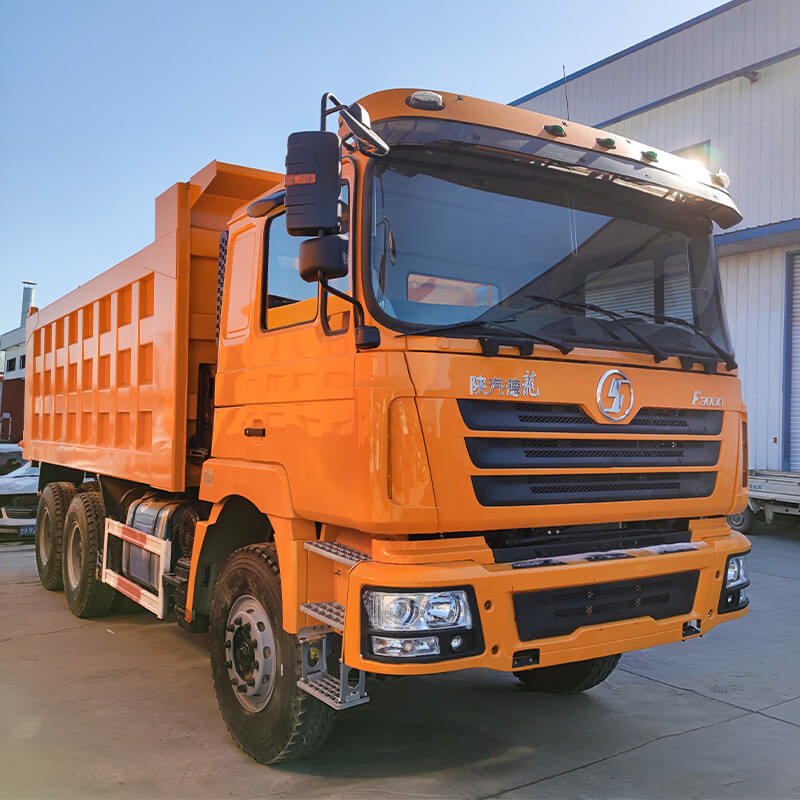
On October 12 China Customs publicized a case from Tianjin Dongjiang: a consignment declared as used auto parts was flagged by machine screening and manual inspection, and turned out to contain four complete used vehicles. Under the 2024 No.6 joint announcement, used vehicles are subject to export licence management - misdeclaring them to dodge the licence is a seizure-and-penalty matter, and the case has been transferred for further disposal under the Customs Law obligation of truthful declaration. For overseas buyers this is not just a Chinese enforcement story. It is a warning about who you buy from. Here is how the red lines work, alongside our guides to the batch-one-vehicle licence reform and payment fraud protection.
What happened at Tianjin Dongjiang
Customs ran the declared parts consignment through machine screening, then a manual check, and counted four whole vehicles where the manifest listed components. The finding triggers disposition under the joint announcement that puts every used vehicle export under licence control. The practical lesson: screening has improved, and misdeclaration is now far more likely to be caught than to save money.
Why some suppliers misdeclare
- To skip the export licence process entirely - no application, no waiting, no inspection records.
- To move vehicles that could never pass the export program: accident rebuilds, flood-damaged units and near-scrap stock are barred from legitimate channels.
- To dodge the VAT invoice chain and testing costs, then price 10-20 percent below the market benchmarks in our FOB price baseline guide - the discount is the risk.
What the buyer loses when the chain breaks
If the vehicle is stopped at Chinese customs, the deposit is already gone and no bill of lading will ever be issued - the recovery scenarios in our seven red flags guide apply. If it slips through, the buyer still loses: without proper export documents there is no clean title chain, and strict destination markets reject the unit at clearance. Nigeria's VehCAP regime requires one-vehicle-one-licence consistency and matched documents, and Ghana's regime rejects vehicles without conformity certification - a truck that cleared China illegally has no paperwork set that survives those gates.
Six checks before you pay a deposit
- Verify the exporter is registered under the national used vehicle export program, using the screening steps in our 648 circular due diligence guide.
- Ask for the export licence number for your specific vehicles and cross-check it against invoice, bill of lading and VIN - legitimate licence processing now takes about three working days per batch, so a supplier who promises export with zero paperwork time is telling you something.
- Put a legal-export compliance clause with a penalty into the contract before signing.
- Require third-party inspection against the remanufacturing standard in our T/CADCC 009-2025 buyer guide before final payment.
- Pay by milestones tied to documented evidence, never full prepayment - the structure in our payment guide.
- Treat prices far below benchmark as evidence, not bargains: misdeclared or smuggled stock is the usual source, and legitimate exporters carry the tax and licence costs that such quotes quietly skip.
Buyers who keep the evidence chain intact get both sides of the deal: full customs compliance at destination, and the cost advantages that come from registered channels - including the VAT-rebate economics we explained in our export tax rebate guide. The Tianjin seizure shows the shortcut route is narrowing fast. Choose the documented one.