
Suame Magazine: Inside West Africa's Biggest Truck Repair Cluster in Kumasi
Kumasi's Suame Magazine - more than 10,000 workshops and up to 200,000 artisans - decides what your used truck costs to run after it clears Tema. What the cluster fixes well, what it cannot, and how buyers should use it without voiding warranties.
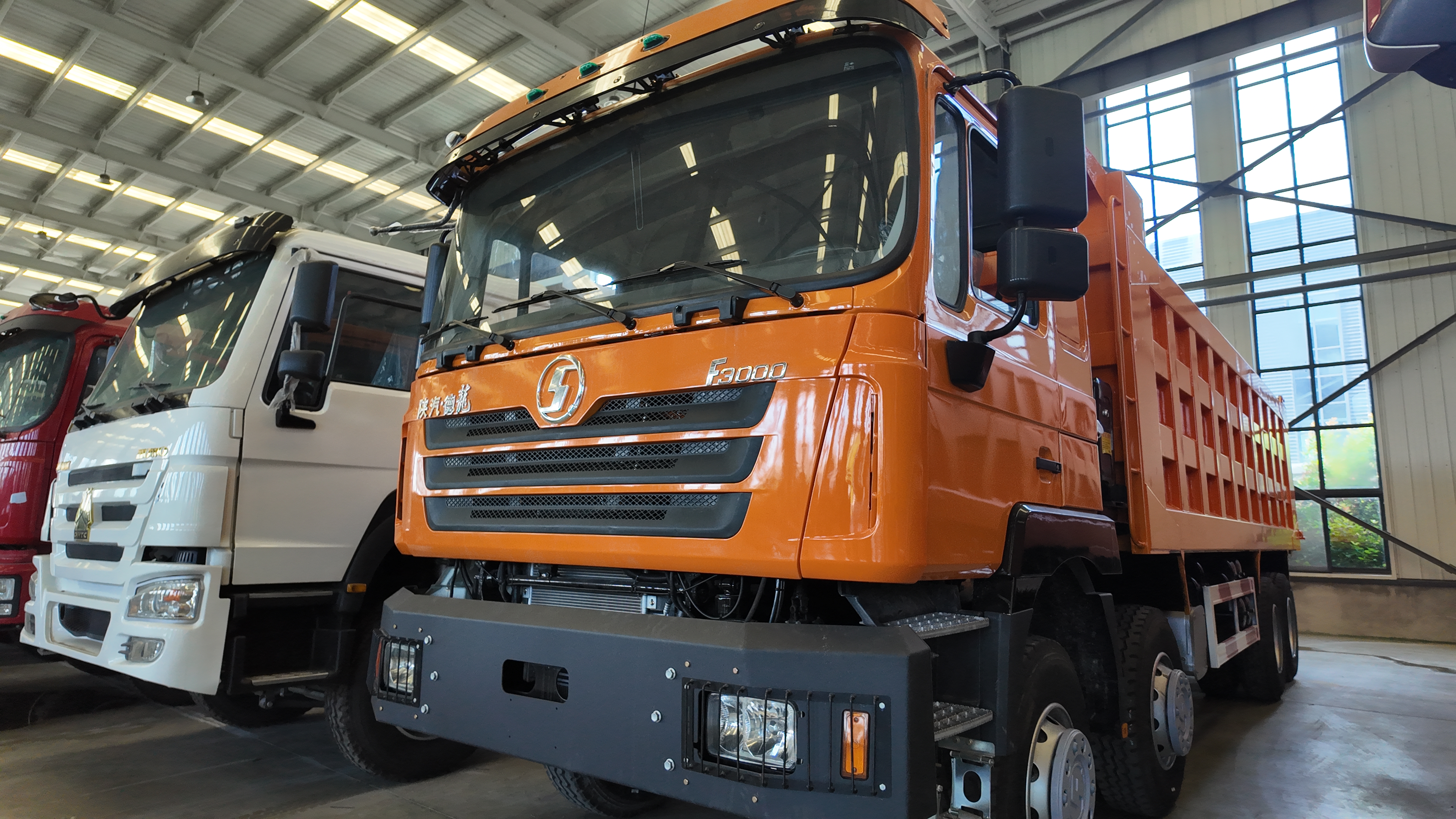
Most used truck buyers obsess over the purchase price, the freight and the port. The part of the deal that decides long-term cost is what happens after delivery. In Ghana that question leads straight to Kumasi and Suame Magazine - the sprawling repair and metalworking district our West Africa parts guide only touched on. Here is what the cluster is, what it means for running a used Chinese truck, and how to use it well.
What Suame Magazine actually is
Suame Magazine takes its name from a colonial-era armoury - a "magazine" - around which blacksmiths and fitters settled from the 1930s. World Bank researchers have called it possibly the largest manufacturing cluster in Africa: more than 10,000 micro and small enterprises across vehicle repair, parts production and retail, and metalworking, employing an estimated 100,000 workers on conservative counts - and around 200,000 artisans, apprentices and dependants on the figures most often quoted (reported). The cluster is organised by trade - fitters and engine mechanics, sprayers, welders, auto-electricians and a large parts trade in both new and second-hand "home used" components - with a generalist fitter typically coordinating specialists on a single job. Its reach is regional: academic research lists customers from Cote d'Ivoire, Togo, Burkina Faso, Mali, Niger, Sierra Leone and Nigeria, and industry observers report long-haul trucks from Mali and Burkina Faso driving down to Kumasi for major work (reported). Kumasi's artisans built the SMATI Turtle prototype off-road vehicle in 2013, and the area has run its own municipal assembly since 2018.
Why it matters for used truck buyers
Three practical consequences follow. First, labour is available and affordable: a 2016 HOWO that needs a gearbox refresh or new cab floorwork can be returned to service in Kumasi for a fraction of dealer-workshop rates - exactly what keeps older Chinese units viable. Second, the parts culture is improvisational: the 1970s import crisis taught the cluster to fabricate and refurbish when new parts vanished, and that reflex persists - ideal for brackets, bushings and bodywork, risky for electronics, fuel injection and brake components. Third, resale: a truck with documented Suame service history is easier to resell in Ghana and across ECOWAS, because buyers know parts and skills for the common Chinese platforms are locally available.
How to use the cluster without getting burned
Agree the scope of work and price before anything is opened up, ask explicitly whether parts being fitted are new or home-used, and ask to see the old parts that come off - the same practical rules local guides give first-time visitors. Keep dated invoices and photos of every major intervention: they are your evidence chain if a warranty claim ever lands on the exporter's desk. Price wear parts for your exact model before you pay a deposit, using our FOB benchmarks and the parts-market guide above as reference, and push the supplier for a defined reconditioning grade backed by a documented standard with a proper pre-shipment inspection - rather than planning to fix it in Kumasi. Ghana's import rules and the landed-cost maths only work if the unit that lands is genuinely ready to work.
The honest limits
Suame's strength is improvisation, and that is also its boundary. Emissions aftertreatment, electronic control units and crash-critical components need genuine parts and factory procedures, not workshop fabrication - a fabricated steering or brake workaround is a safety red line, full stop. Pair Suame's labour with genuine parts channels: Accra's Abossey Okai and Lagos's Ladipo for fast-moving items, and supplier shipments from Shandong for brand-specific components (reported at two to three weeks). Treat the cluster as your maintenance backbone, lock payment milestones before the truck sails (payment guide), and confirm the unit against Ghana's current GS 4510 requirements before you commit. Do that, and West Africa's biggest artisan cluster becomes a competitive advantage instead of a repair bill.