Ghana Used Truck Import Rules 2026: EASYPASS CoC Mandatory From October 1
Ghana tightens used vehicle imports with a pre-shipment conformity gate
Ghana is moving to enforce the strictest used-vehicle entry regime in West Africa. Under the Ghana Standards Authority (GSA) EASYPASS programme, which became mandatory for applicable imports on July 1, 2026, all used vehicles entering the country must undergo conformity assessment before shipment - and the GSA expects full coverage of imported used vehicles from October 1, 2026.
The Chamber of Autodata Ghana, the national used-vehicle dealers association, has publicly urged the government to review the October deadline, warning that vehicles shipped without the required Certificate of Conformity (CoC) could be rejected or returned from the exporting country. For truck importers, that risk applies to the very cargo classes Ghana depends on most: cargo trucks, tipper trucks and buses that move food from farming communities to urban centres.
What the EASYPASS requirement means in practice
- Registration: importers must register with the Ghana Standards Authority before arranging shipments.
- Pre-shipment inspection: certification must be obtained from a GSA-approved inspection company at an estimated cost of US$300 per vehicle.
- CoC before loading: the certificate must be issued at the port of origin. Shipping without it risks rejection on arrival - with the truck stranded in the exporting country.
- Scope: the dealers chamber has specifically asked the government to reconsider how the policy applies to commercial vehicles, signalling that trucks are firmly in scope as things stand.
The rules that already apply to used trucks in Ghana
EASYPASS lands on top of the Ghana Automotive Development Policy (GADP), introduced in 2019 to promote local assembly by brands such as Volkswagen, Nissan, Toyota, Suzuki and Kia. The existing restrictions are already demanding:
- Used vehicles older than 10 years are banned from import.
- Salvaged and flood-damaged vehicles are banned.
- Higher taxes apply to some newer used vehicles to push buyers toward locally assembled brands.
Dealers note that most units imported by their members fall in the five-to-ten-year age band - exactly the stock a used-truck buyer from China should target: 2021-2023 model year tractors and tippers clear the age gate with room to spare, while 2015 and older units are effectively unsellable in Ghana.
Why trucks are the pressure point
The chamber argues that many transport operators simply cannot afford new or locally assembled commercial vehicles, and that restricting access to older but roadworthy trucks could disrupt food distribution and push up consumer prices. That tension - between industrial policy and fleet economics - is why traders expect some softening for commercial vehicles, but no importer should plan around a rule change that has not been published.
Practical checklist for buying used trucks from China for Ghana
- Confirm the year of first registration, not just the model year - the 10-year clock runs from first registration.
- Budget the US$300 CoC fee and the inspection lead time into your purchase timeline; book the pre-shipment inspection before the vessel closes.
- Use Tema port for Accra and inland deliveries (35-45 days transit from Tianjin or Shanghai on RoRo service).
- Ghana is a right-hand-drive market - but most Chinese domestic trucks are left-hand drive, so specify RHD-converted stock or export-spec units designed for RHD markets.
- Watch the stakeholder process: the GSA had not issued a formal response to the chamber at the time of the July meeting, so implementation details may still shift before October 1.
Bottom line
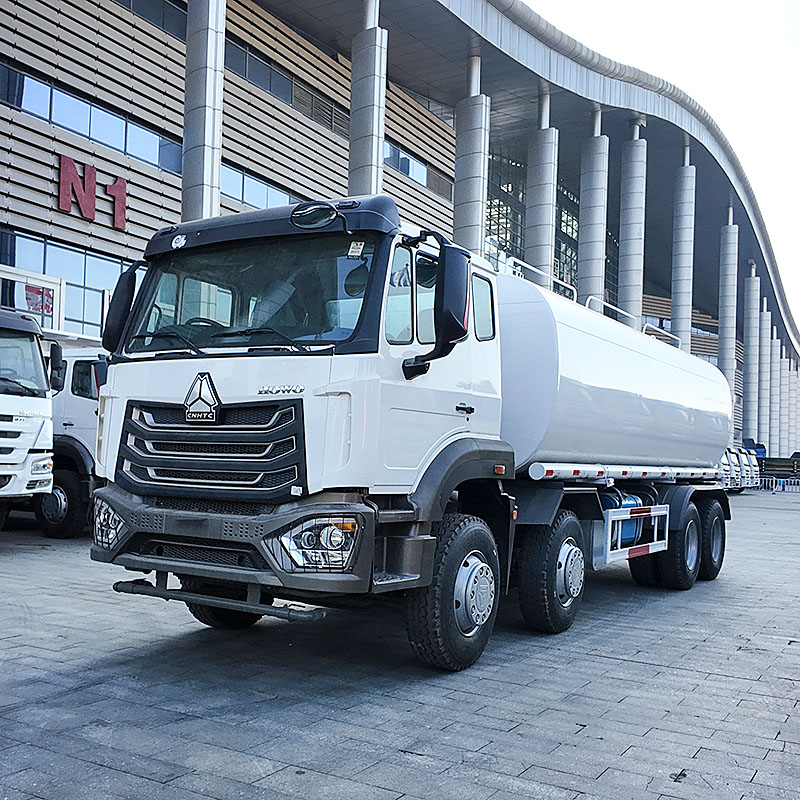
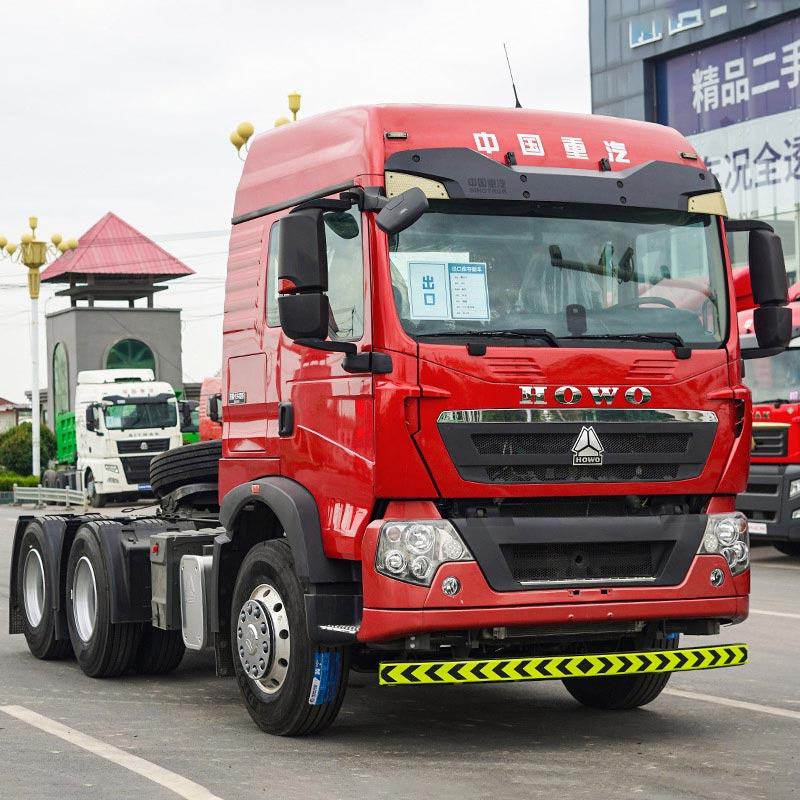
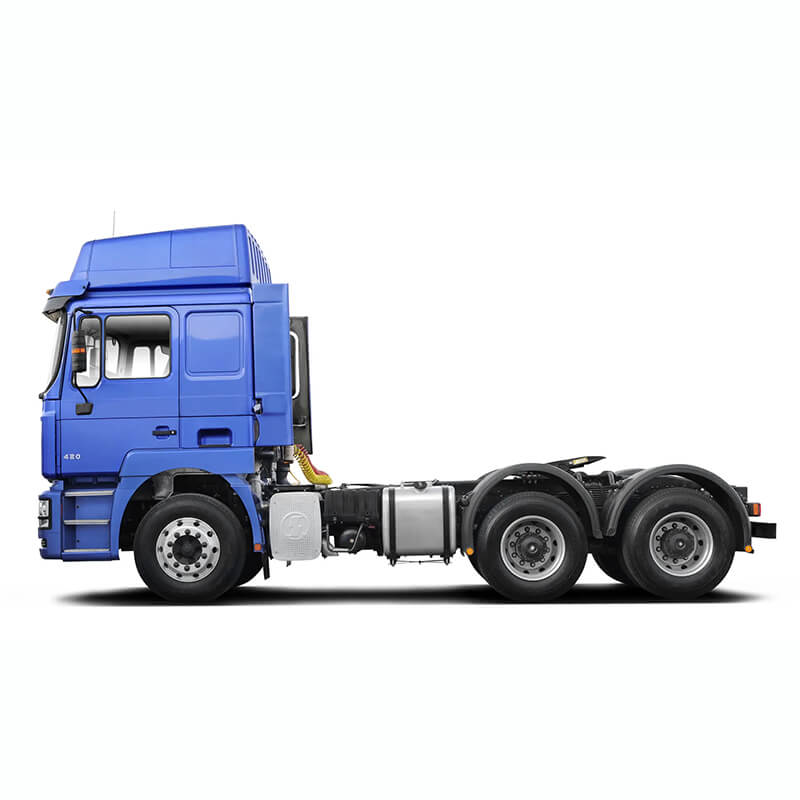
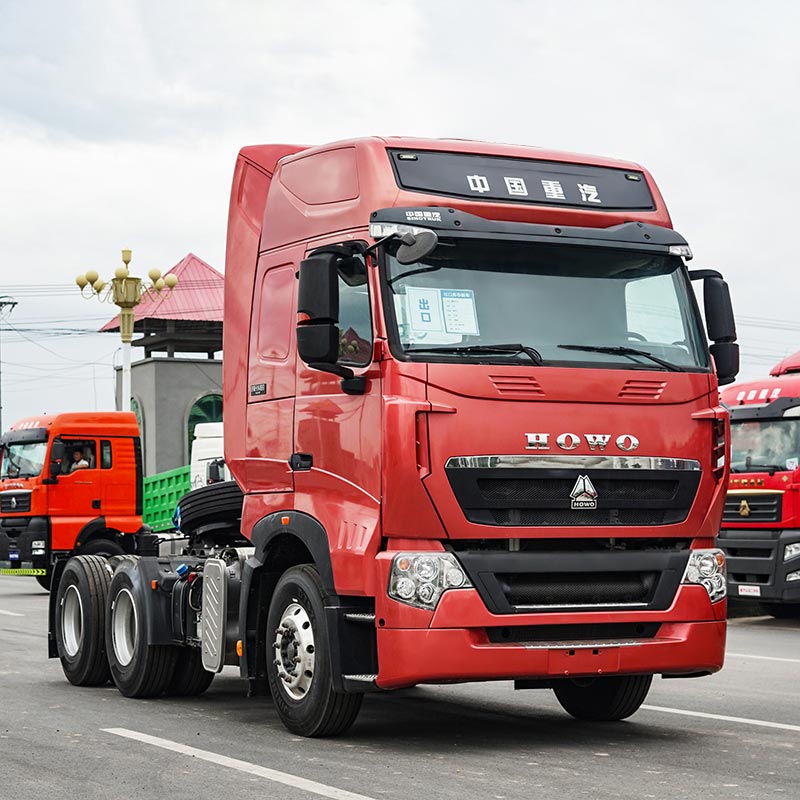
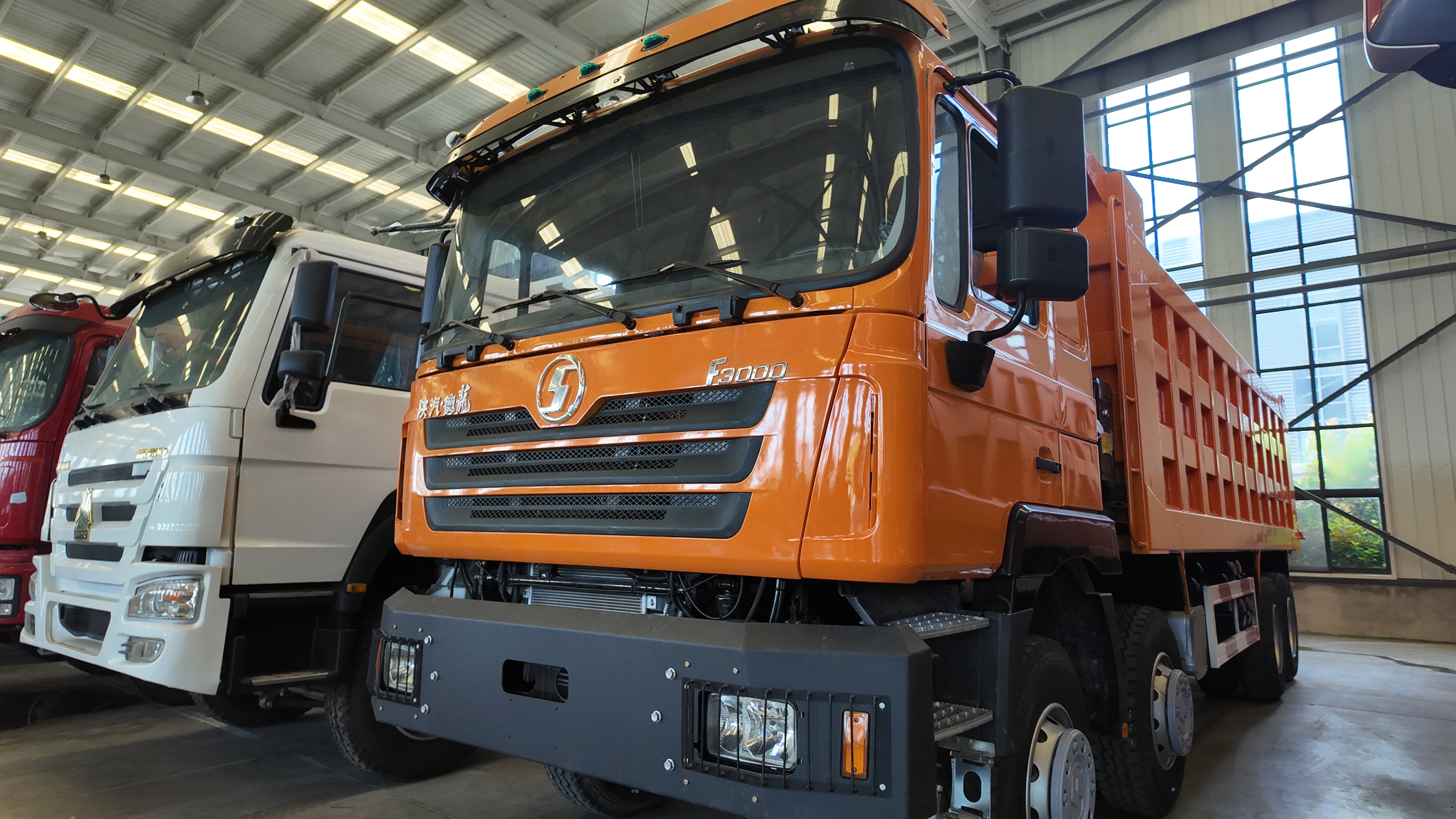
For buyers sourcing used HOWO, Shacman or FAW trucks from China for Ghana, the window before October 1, 2026 is the cheapest compliance environment they will see. After that, every unit needs a CoC, a GSA-registered importer and a pre-shipment inspection slot. Exporters who adapt early - registering, booking inspections and shipping compliant stock - will keep the Ghana route open while competitors scramble.