Used Truck Warranty and After-Sales Guide: What to Demand Before You Pay
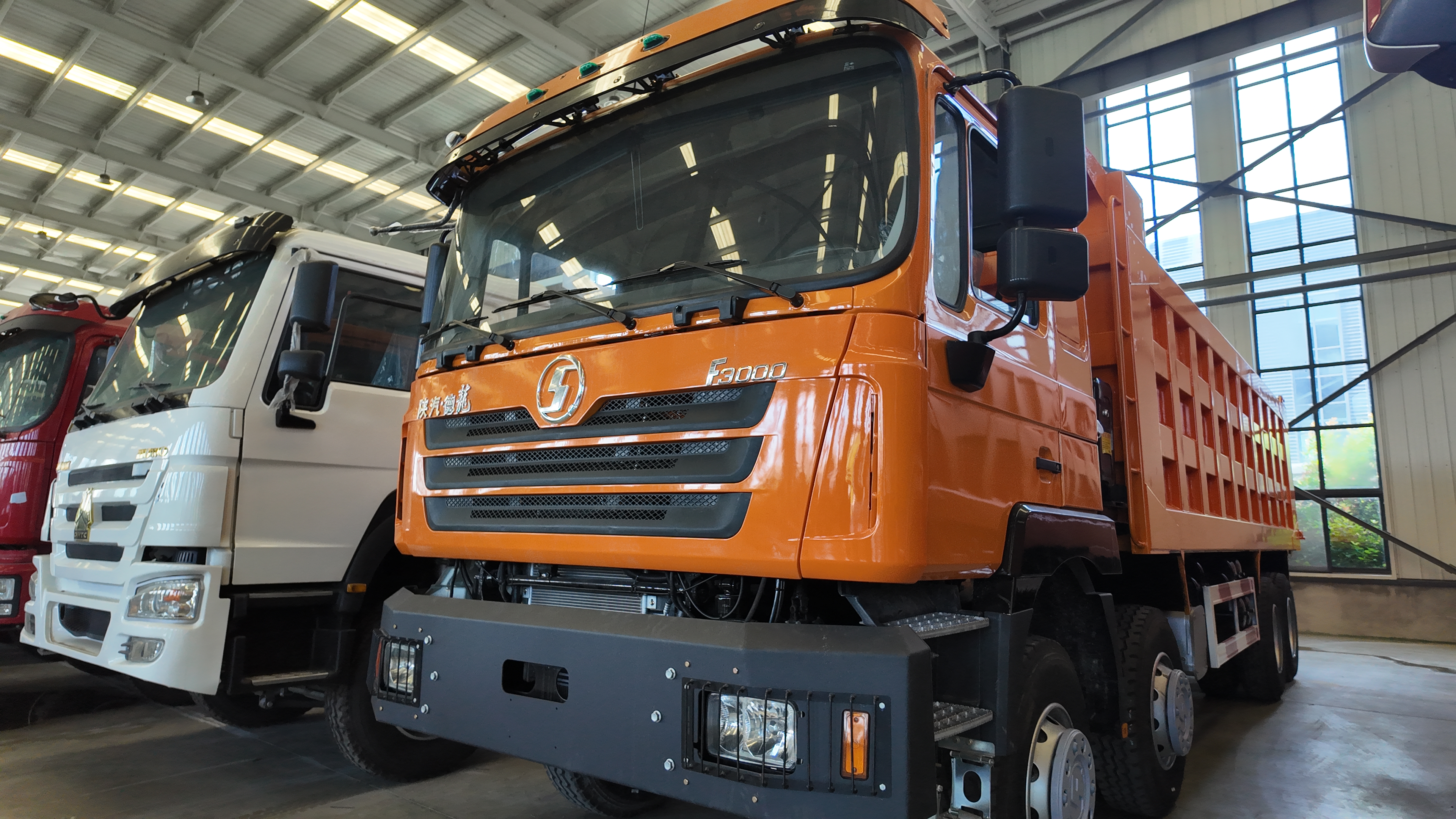
Getting a used truck shipped is the easy half of the deal; keeping it running for the next three years is what separates a good supplier from a risky one. A major investigation by Dazhong News in Shandong province in October 2026 followed the Liangshan used-truck hub through its after-sales reality: leading exporters have built overseas warehouses and service points in Nigeria and Kenya, engine remanufacturing cuts failure rates sharply while costing about 50 percent less than new, and industry leaders publicly called for associations and government to help build overseas service networks covering more than 100 destination countries. For buyers the message is simple: the warranty and after-sales clauses you negotiate before payment decide how much of that network you can actually use. This guide pairs with our refurbishment grading guide.
What warranty terms actually mean
There is no unified cross-border warranty law for used trucks, so everything rides on the contract. Industry practice, as widely reported, usually looks like this:
- Two tiers. Short coverage around 30 days and extended coverage around 90 days; longer terms normally attach to Grade A full-drivetrain remanufactured units, while Grade C cosmetic-only units often carry no functional warranty at all.
- Core coverage. Engine, transmission and axles for manufacturing or refurbishment defects - with wear parts such as clutch discs, brake pads, tires, filters and belts, plus consumables, excluded.
- Standard exclusions. Accident damage, overloading, water ingress, unauthorised modification and continued operation after warning lights or leaks appear.
- Clock start. Agree in writing whether warranty time runs from bill-of-lading date or port arrival; ocean delays of 30-45 days in peak season (see our Q4 shipping window guide) can otherwise eat the whole term.
Claims and spare parts - the clauses that matter
- Evidence protocol. Date-stamped photos, fault video and OBD screenshots within an agreed window, for example 72 hours after failure, keep claims objective and fast.
- Parts commitment. Demand a stocked common-parts list with part numbers and a quoted dispatch time - 7-15 days by air courier is the reported norm - plus a travelling spare-parts box shipped with the truck covering filters, belts, sensors and brake valves.
- Service route. Ask which applies: the supplier overseas point, a contracted local dealer, or guided remote repair with parts shipped. The biggest Liangshan players run points in Nigeria (see our Lagos clearance guide) and Kenya (our Kenya import guide); smaller exporters rely on local dealers, which is workable but must be named in the contract.
- Technical support. A response-time commitment, for example within 24 hours, plus remote diagnostic support by video call.
Tie warranty to payment and inspection
Warranty credibility is mostly about leverage. The practical structure: hold part of the payment until post-arrival verification, as set out in our five-milestone payment guide; run the pre-purchase inspection checklist before the balance clears; and require the refurbishment grade to be written into the contract against the T/CADCC 009-2025 remanufacturing standard, so the promised warranty tier matches the actual work done. The Liangshan hub overview explains why locally grounded suppliers can honour these terms at all: the parts ecosystem and remanufacturing capacity sit within a few kilometres of the trucks.
Bottom line
Chinese industry commentary put it well: the core of used truck export is not getting the truck out but keeping the truck running - whoever moves service forward wins repeat business. Put warranty scope, evidence rules, parts dispatch times and the service route into the contract before you wire anything, and a 90-day clause becomes a real safety net instead of a paper promise.