Nigeria vs Cotonou vs Lome: Best Entry Route for Used Trucks in West Africa 2026
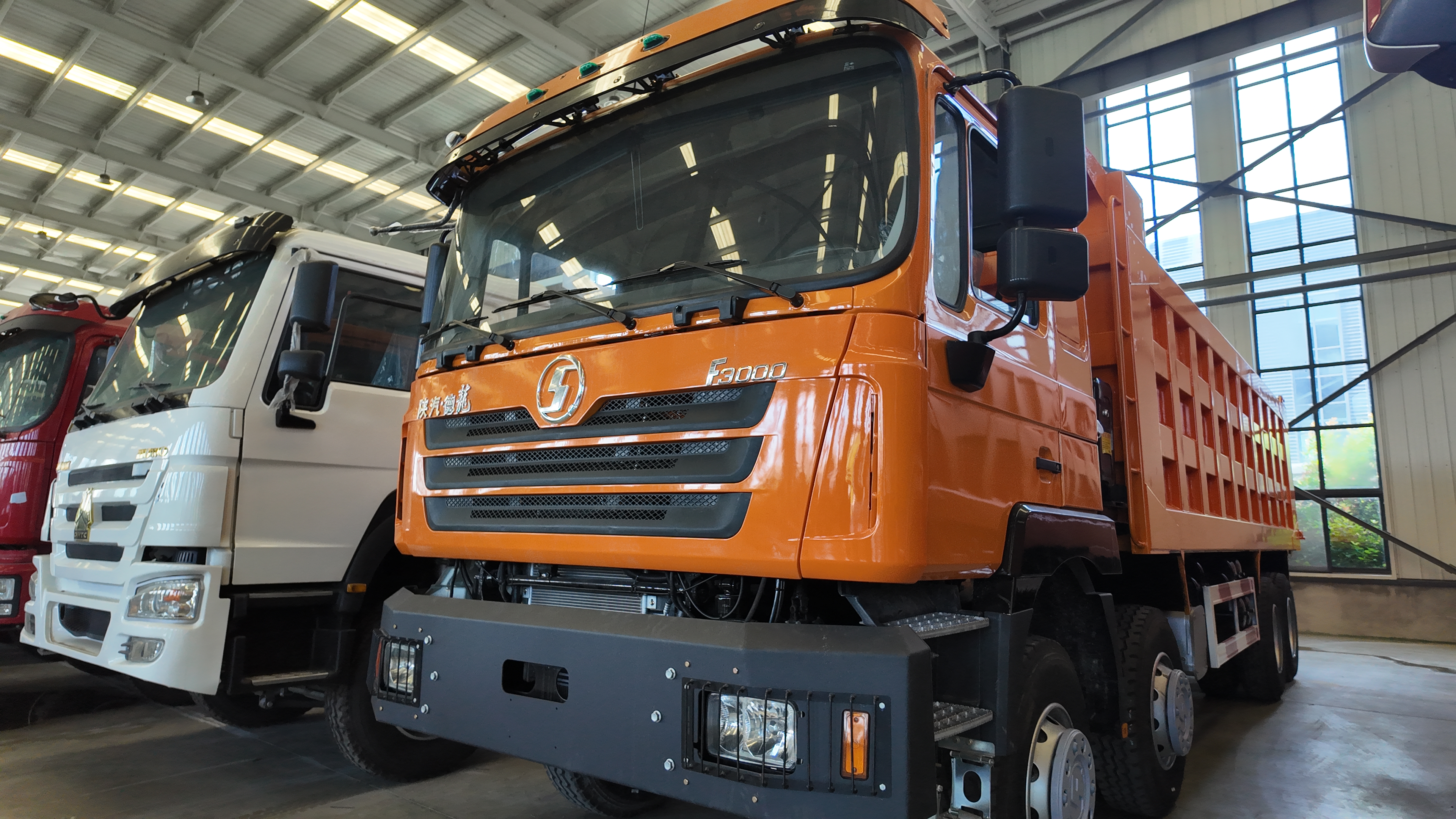
Nigeria remains the largest used truck market in West Africa, but since August 2026 the way trucks enter has changed. The VehCAP vehicle conformity programme is now fully enforced: vehicles without a VehCAP certificate are refused entry, cannot be cleared and cannot be registered. At the same time, chronic congestion at Lagos ports keeps pushing traders toward bonded transit through neighboring Benin and Togo under the ECOWAS TRIE inter-state transit scheme.
This guide compares the three practical entry routes for used trucks - Lagos direct, Cotonou (Benin) transit and Lome (Togo) transit - and updates the clearance mechanics described in our earlier guides (Lagos clearance walkthrough, Cotonou TRIE operations, Benin import rules).
Rule one regardless of route: VehCAP
Reported hard requirements under the enforced regime:
- Certification must be completed in the export country before shipment - no post-arrival catch-up
- One certificate per vehicle, locked to the VIN and engine number
- Commercial vehicles: age cap around 10 years; passenger cars around 12 years (confirm current thresholds with your agent)
- Euro IV emission compliance, left-hand drive only, kilometer odometer required
- Structural accident, flood, fire, cut-and-shut or heavily corroded units fail certification
- Four documents must match exactly: VehCAP certificate, export licence, Form M import approval and ECTN cargo tracking note
Vehicles arriving without the certificate face seizure, demurrage and effectively no re-export path. Sequence matters: certify first, then file the rest of the paperwork.
Route A: Lagos direct
Pros: trucks are landed in the final market - no border leg, no re-registration, immediate access to the domestic resale and fleet market, which imports the largest volume in the region.
Cons: port congestion is the known tax. Port efficiency reports have repeatedly contrasted clearance measured in days at regional hubs with Lagos clearance that can stretch to weeks. Import taxes on trucks are computed on CIF and typically land in the 35-50% of CIF range once duty, levies and VAT are combined, with the customs valuation database often exceeding invoice values (worked example inside).
Best for: buyers who need trucks registered and working in Nigeria immediately, and who have priced the duty and the waiting time into the deal.
Route B: Cotonou TRIE transit
Pros: Benin has positioned Cotonou as a regional vehicle hub with lower import duties (0% duty under bonded transit), streamlined port processes and a dense dealer ecosystem. Under the TRIE scheme a single transit declaration moves the truck bonded overland; destination duties are paid at the final market. The Cotonou-Lagos corridor is short, making it the classic re-export door for southern Nigeria.
Cons: the border leg adds cost and risk: ECTN is mandatory, bonded convoy escort is advised on some corridors, and border tightening periodically disrupts flows. Trucks legally transited must still satisfy Nigerian import requirements when duties are settled.
Best for: traders supplying southern Nigeria incrementally, or holding stock regionally and selling into Nigeria as demand appears.
Route C: Lome TRIE transit
Pros: Lome is the deepest container and RORO gateway in the sub-region with a reputation for the fastest clearance - on the order of about 2 days versus multi-week Lagos queues - plus roughly 600,000 sqm of vehicle storage yards. The T1 transit declaration plus a bonded carrier guarantee moves trucks to destination ECOWAS states without paying Togolese duty or VAT. For northern Nigeria (Kano region) the overland leg is roughly 1,400 km, about 3-4 days via the Benin corridor. Forwarder data suggest a meaningful share of Lome transit volume serves the Sahel and northern Nigeria.
Cons: longest overland leg of the three routes; bond and transit fees add fixed cost per unit; final Nigerian duties are still due at destination.
Best for: northern Nigeria and Sahel-bound shipments, and buyers who value fast vessel turnaround and predictable port handling over proximity to Lagos.
Side-by-side snapshot
| Factor | Lagos direct | Cotonou TRIE | Lome TRIE |
|---|---|---|---|
| Port congestion | High; clearance can take weeks | Moderate | Low; about 2 days reported |
| Duty timing | Full duties at entry (35-50% of CIF range for trucks) | 0% bonded transit, duties at destination | 0% bonded transit, duties at destination |
| Leg to Nigerian market | None | Short (Seme/Krake corridor) | ~1,400 km to Kano region, 3-4 days |
| Key documents | Form M, PAAR, VehCAP, ECTN | TRIE declaration, bond, ECTN, destination clearance | T1 declaration, bond, BESC, destination clearance |
| Main risk | Demurrage, valuation disputes | Border disruptions, escort costs | Longest transit leg, bond cost |
5-point decision checklist
- Where will the truck work? Southern Nigeria fleets favor Lagos or Cotonou; northern and Sahel routes favor Lome.
- Who holds working capital? TRIE routes defer destination duties but add bond fees; Lagos direct pays everything up front.
- Is the VehCAP file complete before loading? Certificate first, then Form M and ECTN - VIN consistency across all four documents is non-negotiable.
- Have you re-priced duties on current CIF? Red Sea surcharges raised freight; dutiable value follows CIF, so landed tax rises with freight (freight update).
- Have you confirmed today rules with a licensed broker? Age thresholds, levy rates and border procedures change frequently; treat published figures as planning inputs, not quotes.
Whichever door you choose, the truck itself still has to pass certification and satisfy the buyer. Use the pre-shipment inspection checklist and warranty terms before paying a deposit (used truck inspection checklist). For the wider policy picture across markets, see the 2026 global access traffic-light overview.