Central African Republic Used Truck Import Guide 2026: Bangui via the Douala Corridor

The Central African Republic (CAR) is the landlocked heart of the CEMAC customs union: no coastline, no railway, and a capital that sits more than 1,500 km from the sea. Yet Bangui runs on trucks - peacekeeping and relief fleets, timber and diamond convoys, and government contracts all depend on vehicles that arrive almost entirely through Cameroon. For used truck buyers, CAR is a left-hand drive, value-assessed market that shares the same bonded transit machinery documented in our Chad guide - with its own cost structure on top.
Why CAR buys used trucks
- One of the world's densest humanitarian operations. The UN mission MINUSCA and dozens of international NGOs operate across a country with very limited paved roads, sustaining constant demand for 4WD support trucks, water trucks and cargo units.
- An extractive economy in the west. Diamond, gold and timber flows around Berberati and Carnot move on trucks, alongside government and corporate fleets based in Bangui.
- LHD alignment. CAR drives on the right, so Chinese left-hand drive stock fits directly - one more entry in our LHD country map.
- No hard age ceiling (reported). Regional trade references and dealer data indicate CAR does not enforce a hard used-vehicle age ban and assesses older units on value - in contrast to neighbors such as Cameroon (7-year rule) and Chad. Always confirm the current position with the DGDDI (customs directorate) or a licensed Bangui clearing agent before loading, and cross-check our 2026 age limit comparison table.
Duties and taxes: the CEMAC CET applies
As a CEMAC member, CAR applies the common external tariff, assessed on CIF value by the DGDDI: goods trucks generally sit in the lower CET band (about 10 percent for heavy goods vehicles, versus a roughly 30 percent top band for passenger cars), plus TVA at 19 percent - note CAR's rate is 19 percent, slightly above Chad's 18 percent - and CEMAC community integration levies of roughly 1 percent combined. On the truck side, landed taxes typically add around 30 percent of CIF before corridor transport is counted; rates change, so confirm the exact HS treatment with your broker before quoting.
The Douala-Bangui corridor
Virtually all vehicle imports transit the Port of Douala and move bonded overland about 1,500 km to Bangui: Douala to Yaounde, then east through Bertoua and the Garoua-Boulai border post, and on through Bouar to Bangui. The move runs under the CEMAC T1 bonded transit regime - a transit declaration in the CAMCIS system with a bond or guarantee covering the suspended duties until the vehicle exits at Bangui, exactly as on the Chad lane. Expect 10-20 days on the road depending on season, convoy and escort arrangements; in the wet season transit times can stretch considerably. Security conditions vary by stretch, so escorts and insurance should be arranged with an agent who runs the corridor weekly, and a fixed, all-in Douala-Bangui trucking rate should be agreed before you commit to any unit.
The river alternative. A second route exists from Congo: barges up the Oubangui river from Brazzaville or Pointe-Noire to the Bangui river port. It is seasonal - navigable mainly in the high-water months of roughly July to December - and slower, but it serves bulk and project cargo when the road option is constrained.
Practical checklist for CAR-bound purchases
- Pre-shipment inspection with full photo and video documentation at origin - remote buyers cannot audit a unit 1,500 km inland after the fact (see our inspection checklist).
- A Douala transit agent with proven CAR experience who handles the T1 declaration, bond and convoy scheduling end to end.
- Documents aligned before sailing: bill of lading, commercial invoice, certificate of origin and transit declaration - verify current requirements with the agent.
- Budget corridor costs on top of sea freight: bonded trucking, escort and insurance vary widely with season - get written, all-in numbers.
- Consider the regional alternatives: for shipments that only need a West African transit hub rather than CAR itself, our guides to Cotonou TRIE transit and Benin clearance cover bonded options into the Sahel, while the southern lane to DR Congo serves eastern basins more directly.
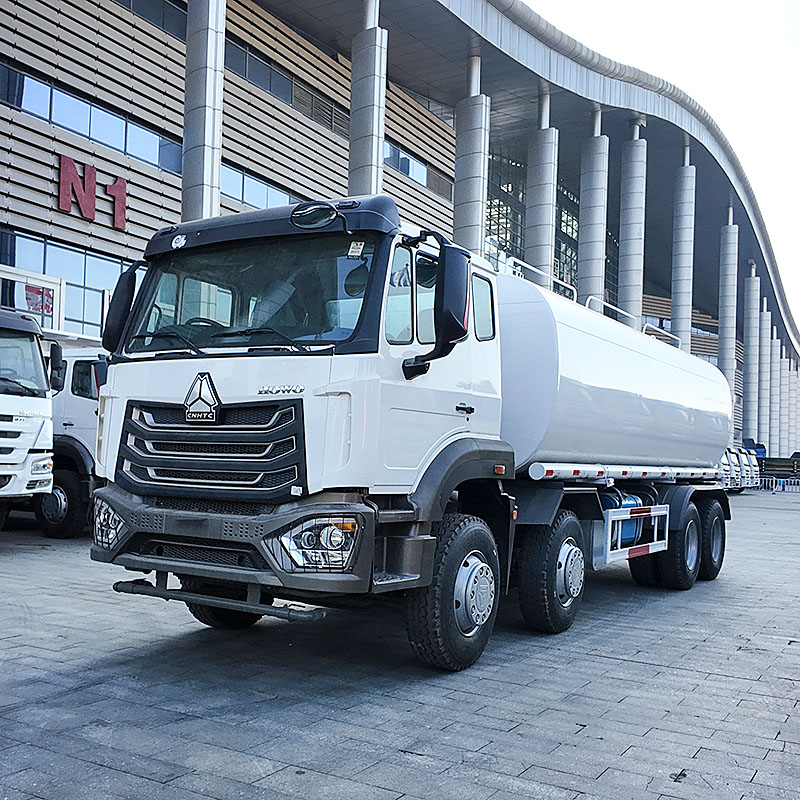
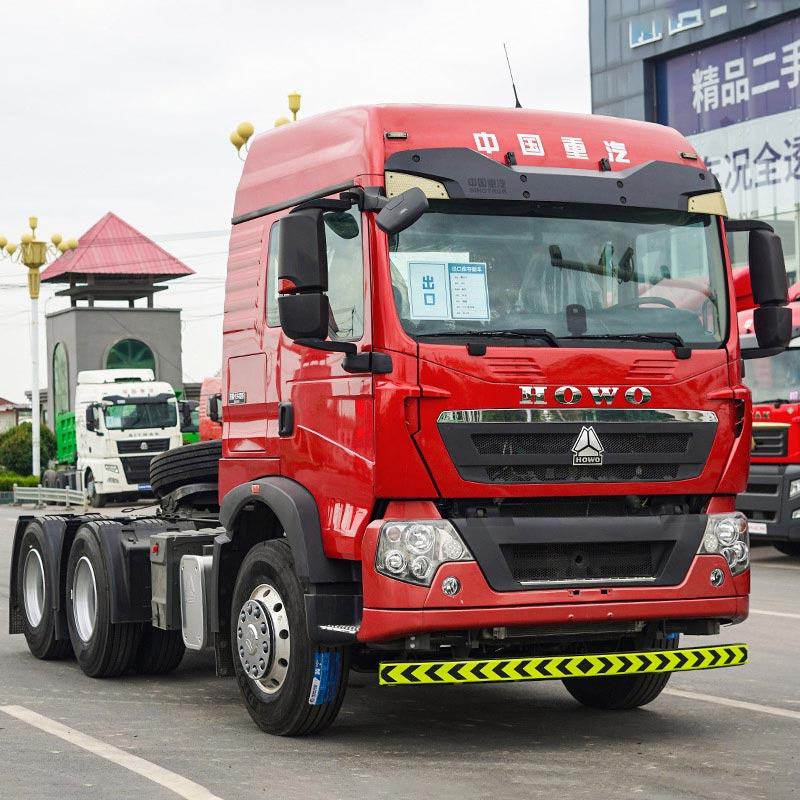
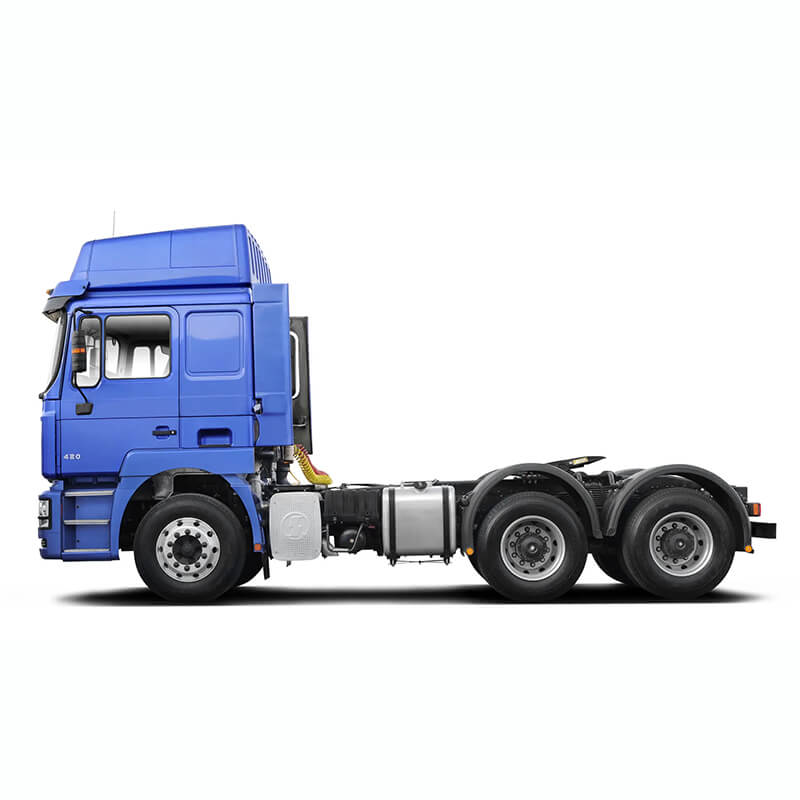
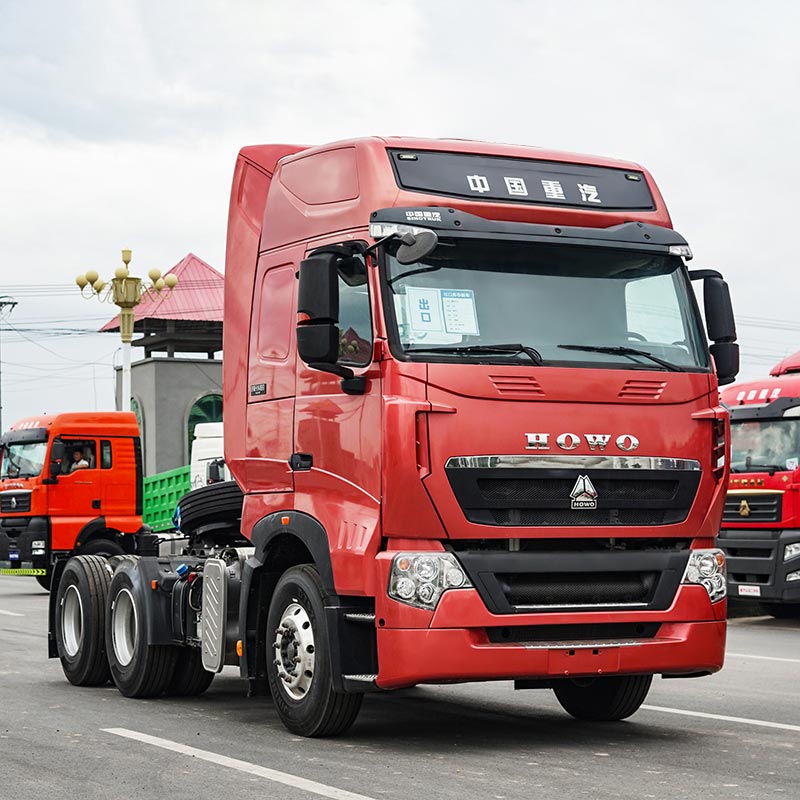
CAR rewards preparation more than any coastal market: the truck that arrives is the one whose transit, bond and escort were arranged before it sailed. TianCheng supplies inspected HOWO, Shacman and FAW units with itemized FOB/CIF pricing and documentation support for Central African corridors - request a Bangui-route quotation and our export team will respond within 24 hours.