Import Used Trucks to DR Congo 2026: 15-Year Cap, OCC Inspection and the Dar Route
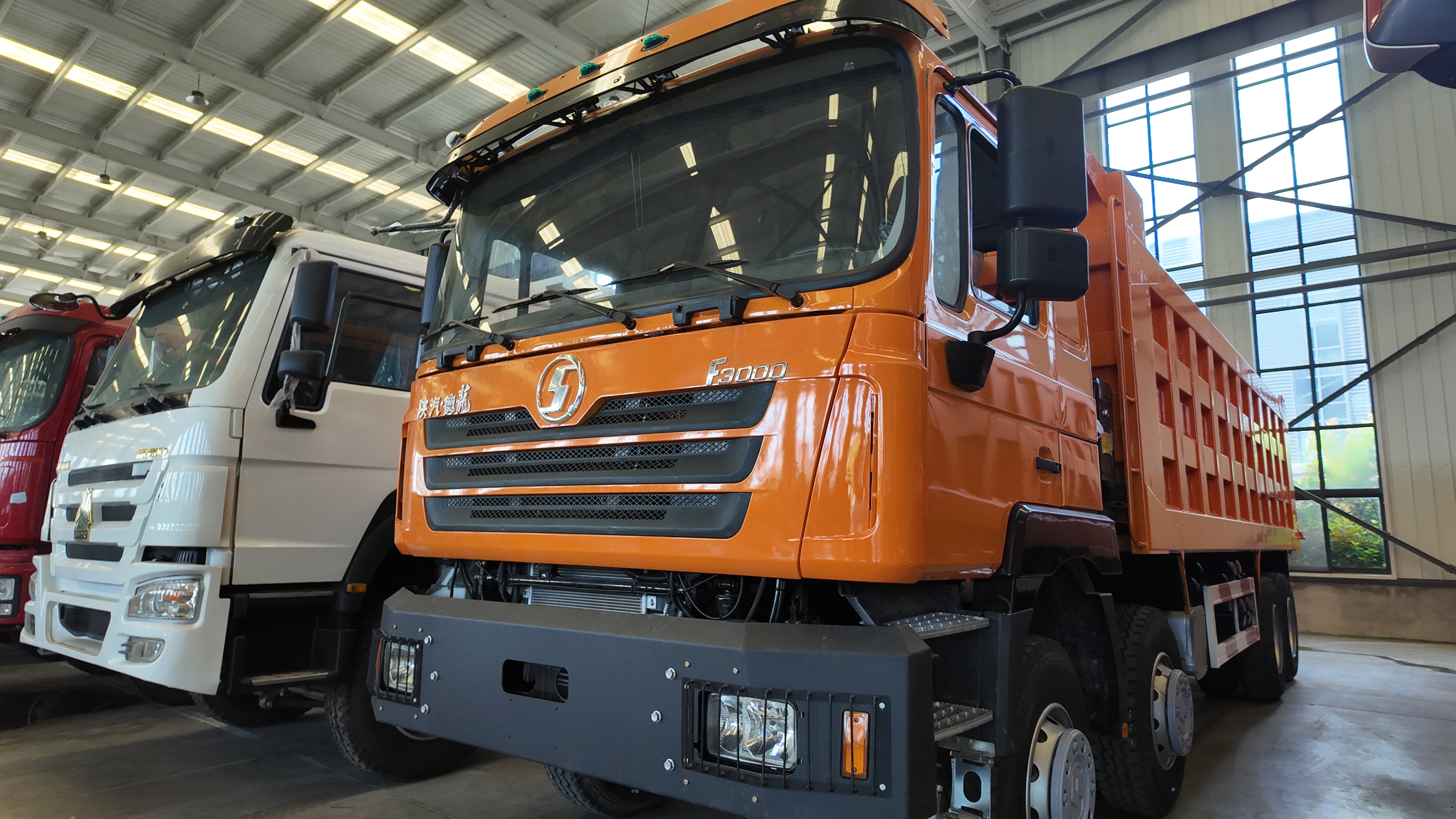
The Democratic Republic of Congo rewrote its used vehicle rulebook - and the transition window has already closed. A decree signed by Prime Minister Judith Suminwa Tuluka on 24 January 2026 restored a 15-year age cap on imported vehicles, replacing the looser 2017 regime, and the six-month transition period ended mid-2026. Importers are now fully subject to the new rules. If you buy trucks for the Congolese Copperbelt, this is the 2026 playbook.
1. What the January 2026 Decree Changes
The decree repeals the 2012 and 2017 regulations and reinstates a stricter age structure:
- 15-year maximum age for passenger cars, commercial vehicles, heavy trucks, ambulances, hearses and tankers - counted to import clearance.
- 20 years for agricultural, forestry and mining tractors only.
- Vintage vehicles (30-plus years, out of production, preserved for heritage value) are excluded.
- In 2026 practice that means a truck must be a 2011 model or newer.
If customs doubts a vehicle age or condition, they can appoint a licensed automotive expert - with the cost borne by the importer. Non-compliant vehicles may be re-exported or destroyed at the expense of the carrier. Document every unit carefully before shipping.
2. Mandatory Documents
Each vehicle must arrive with:
- A technical inspection certificate issued in the country of origin confirming its condition.
- The vehicle logbook or registration certificate (original or certified copy).
- A certified deed of sale.
3. OCC Pre-Shipment Inspection
All vehicles need an OCC (Office Congolais de Controle) pre-shipment inspection to obtain a Certificate of Conformity and a Clean Report of Findings before loading. The OCC fee is about 2% of FOB value. Clearing runs through DGDA (Direction Generale des Douanes et Accises).
4. Duties and Taxes on CIF
- Customs duty: category-based, roughly 5-15% for commercial trucks (passenger cars run around 20%).
- VAT (TVA): 16% on CIF plus duty.
- OGEFREM freight levy: 0.58% of CIF.
- FPI industry promotion charge.
5. Why DR Congo Fits Chinese Trucks: LHD
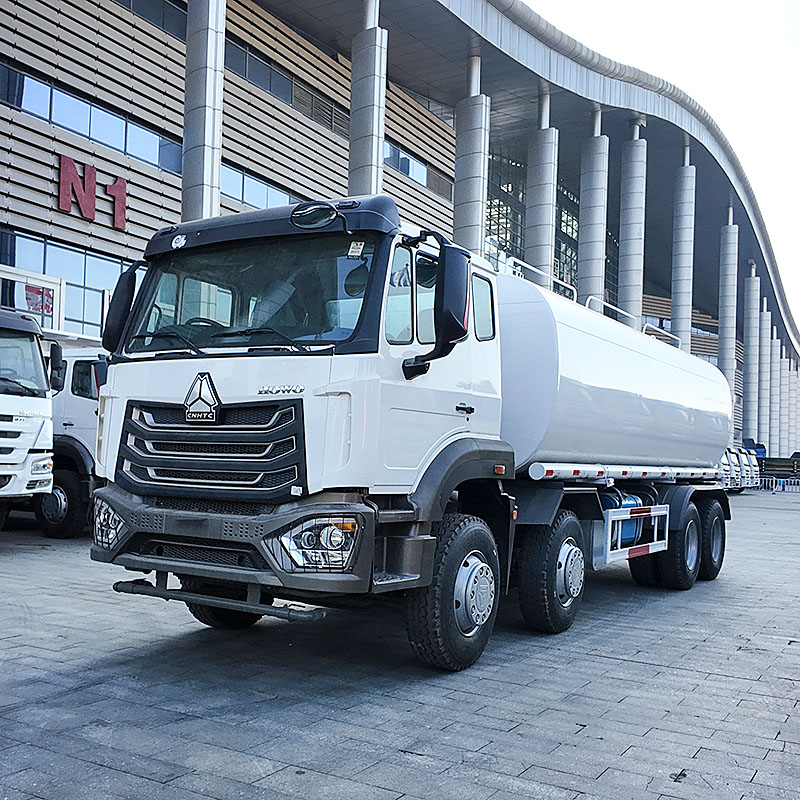
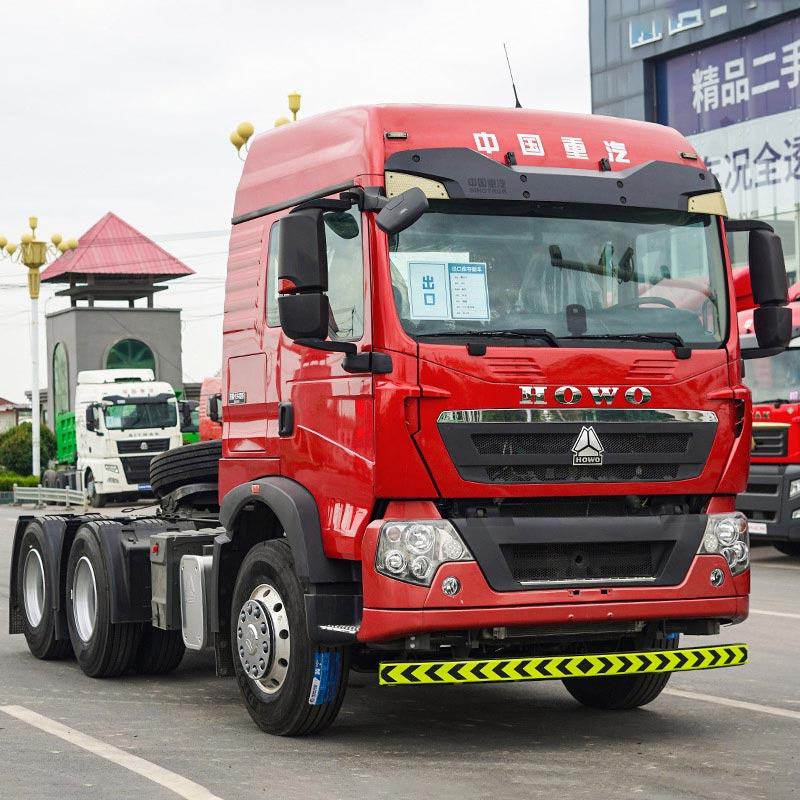
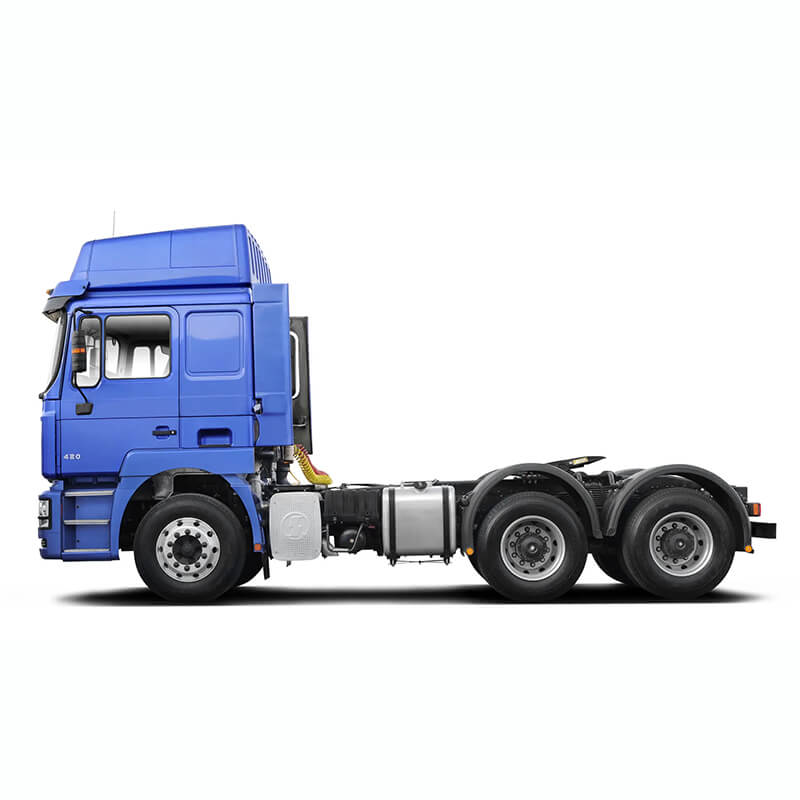
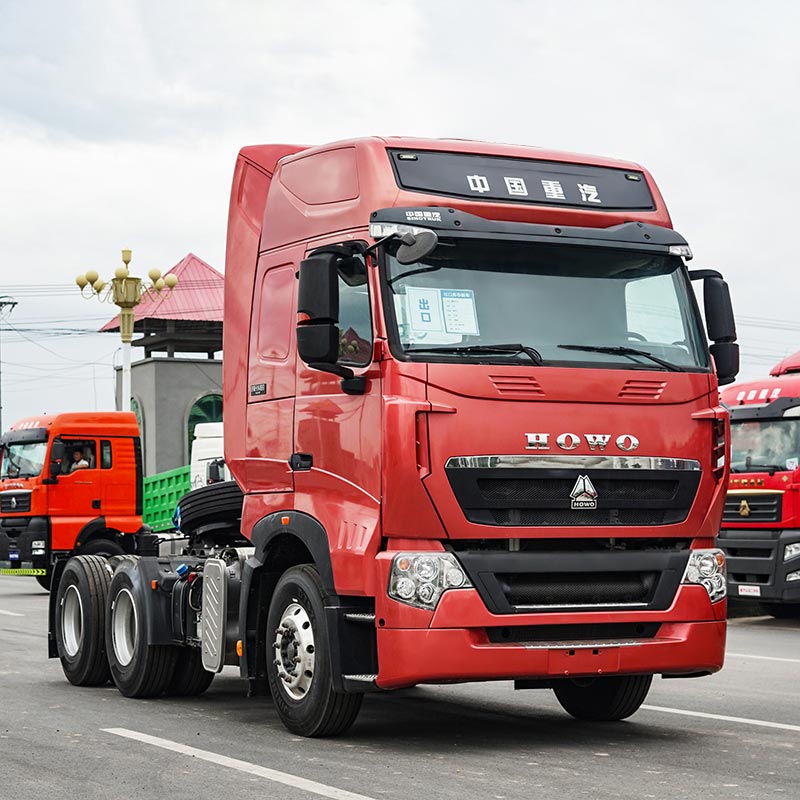
DR Congo drives on the right and is a left-hand-drive market - the opposite of neighbours Zambia (RHD-only) and Kenya (factory RHD). Chinese trucks are built LHD, so they fit the Congolese fleet naturally. Across the Kasumbalesa border post, Copperbelt mining demand on the Congolese side - Kolwezi, Lubumbashi - absorbs dump trucks, tractor units and service trucks year-round.
6. Routes: East vs West
East route (recommended from China): RoRo or container to Dar es Salaam, bonded trucking to Tunduma and the Kasumbalesa border. The sea leg runs 28-35 days from Asia, with a port-to-border total of roughly 39-54 days.
West route: to Matadi or Boma on the Atlantic; sea transit 45-60 days plus port release, typically 55-89 days total. Reserve the west route for Kinshasa-bound cargo when the east corridor is congested.
7. Risk Notes for 2026 Buyers
- Verify the 15-year rule against the manufacture date on the chassis nameplate - registration date will not save an old unit.
- Plan currency: the Congolese franc and USD cash environment make payment terms part of the price.
- For deliveries into eastern provinces, check current security advisories; most mining freight concentrates on the southern Copperbelt axis.
- Run an independent pre-shipment inspection in China in addition to OCC formalities.
Bottom line: the 15-year cap is now fully enforced, OCC paperwork is non-negotiable, and the Dar es Salaam-Kasumbalesa corridor is the efficient lane from China. For LHD Chinese stock heading to the Copperbelt, DR Congo is the market where the steering wheel already matches.