Senegal and Mauritania Used Truck Guide 2026: Dakar Gateway, 15-Year Rule and Nouakchott Costs
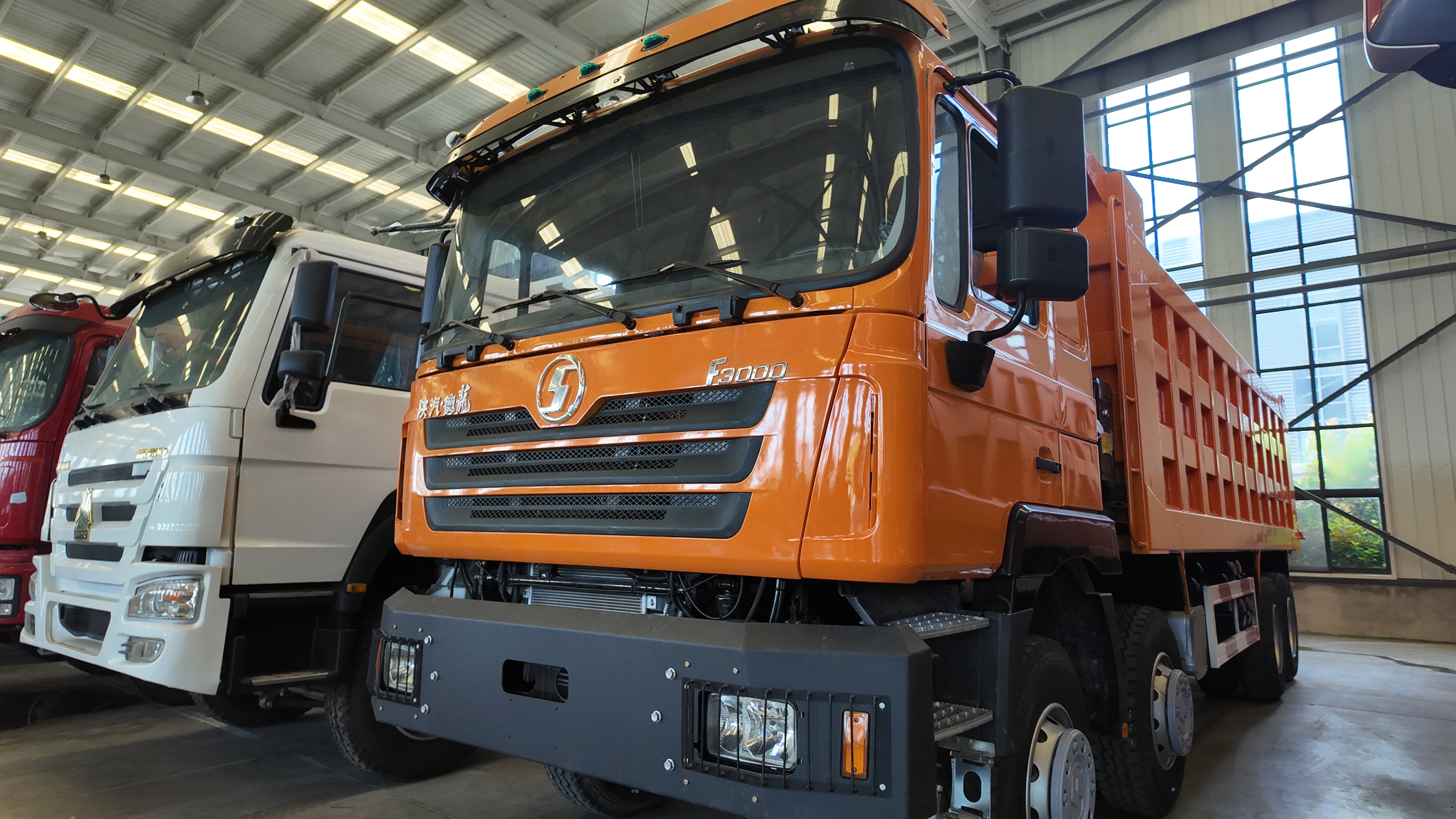
Two markets, two rulebooks, one coastline. Senegal is francophone West Africa's most modern clearance environment - and in late 2025 it quietly became one of the region's most permissive for older commercial vehicles. Mauritania, just north across the Senegal River, sits outside ECOWAS with its own tariff, its own currency and a mining economy that is expanding fast. Buyers who understand both lanes can cover two markets from one shipping decision.
Senegal: the October 2025 age rule change
A decree signed on 24 October 2025 raised Senegal's used vehicle age ceiling from 8 to 10 years for passenger cars and light utility vehicles, and from 10 to 15 years for trucks and public transport vehicles. For a 2026 arrival that means a truck first registered in 2011 or later can enter legally - two extra model years of eligible stock overnight. Two cautions: the limit counts from first registration, so verify the registration card rather than the build plate, and Senegal's policy has moved in both directions before (an earlier round cut the passenger limit from 8 to 5 years before it was reversed), so confirm the current position with your transit agent before loading. Senegal is a left-hand drive market, matching Chinese stock directly.
Senegal duties and clearance
- Taxes. The ECOWAS common external tariff applies - goods trucks generally sit in the 10-20 percent duty bands - plus 18 percent VAT and a 1 percent statistical fee, all on customs value. Combined truck-side landed tax typically lands around 35-50 percent of CIF; confirm the exact HS treatment with a Dakar broker before quoting.
- Clearance system. The GAINDE 2000 electronic customs platform handles declarations end to end, connecting importers, brokers, banks and agencies in a single digital workflow - one of the smoother clearance systems in the region.
- ECTN. The electronic cargo tracking note must be issued before loading; shipments without it face penalties at Dakar.
- Condition rules. Importers report a Euro II emission floor and bans on accident, flood and fire-damaged units; match the unit to the rule before purchase.
- Registration. After clearance, register with the land transport directorate within 30 days.
Dakar as the hub for Mali and Mauritania
The Port of Dakar ranks among West Africa's top three and imports tens of thousands of used vehicles a year, dominated by Japanese brands. Chinese vehicles hold a reported single-digit share of the market - which is precisely the opportunity: fleets are ready for younger Chinese units with better parts availability, the gap we flagged for Abidjan in our Cote d'Ivoire guide. From Dakar, trucks move overland to Bamako and, via the Rosso border crossing about 450-500 km north, to Nouakchott - a land bridge that mirrors the bonded-transit logic of Cotonou's TRIE corridor but on simpler ECOWAS terms. Ocean transit from China runs roughly 35-44 days. Note that transit through Senegal to Mali is one option, but direct arrival via Abidjan or Conakry is also quoted - compare with the Lagos and Cotonou routes covered in our Lagos clearance guide and Benin guide.
Mauritania: a separate rulebook
- Outside ECOWAS. Mauritania charges its own customs duty in 0, 5, 13 and 20 percent bands plus a 1 percent statistical levy and 16 percent VAT. Trucks generally land in the lower duty bands, putting combined landed tax commonly in the 20-35 percent range of CIF - lighter than Senegal - but confirm the HS line with a Nouakchott broker.
- Age rules in flux. Used vehicle age limits have changed several times since 2014 - caps of 5 years for passenger cars and 8 years for other uses were followed by a reported removal of the hard limit in January 2021. Reconfirm the current position with Mauritanian customs before every shipment.
- Single window. Clearance runs through the SYDONIA World system inside a national electronic window operated by a Bureau Veritas and SOGET consortium; an accredited customs broker files the declaration, and a trade ministry import authorisation applies to most goods in principle.
- Currency risk. The ouguiya (MRU) floats - unlike the CFA franc - so build an exchange margin between proforma and final payment.
- Ports and demand. The Port de l'Amitie in Nouakchott is one of West Africa's least congested discharge ports (container throughput up more than 20 percent year-on-year in early 2026), with Nouadhibou and its free zone to the north. Sailings from southern China run roughly 38-47 days. Demand is anchored by iron ore haulage from the Zouerate mining belt, gold and copper operations and the offshore gas build-out - the same heavy-haul profile as the fleets in our mining truck guide.
Two lanes, one decision list
- Senegal for younger units (under 15 years from first registration) and ECOWAS onward reach; Mauritania for older stock with lower taxes and no ECOWAS clock.
- Lock ECTN before loading for Dakar, and book vessel space against the Q4 pressure described in our booking window guide.
- Price tractors against the 2026 FOB benchmarks and freight against the West Africa notes in news 33.
- Check every unit against the 2026 age limit comparison table and the LHD map - both markets are left-hand drive.
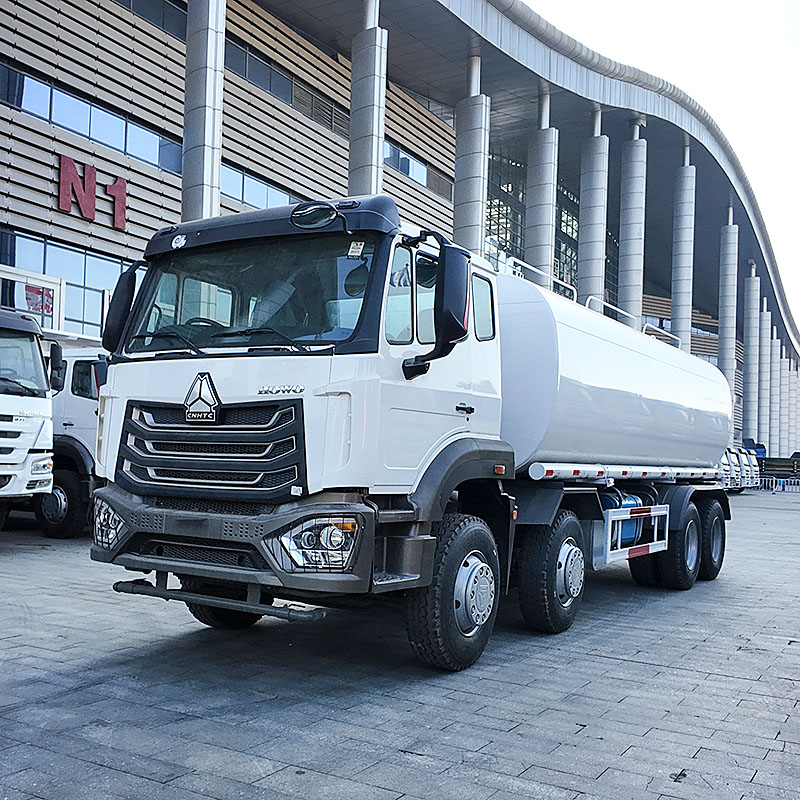
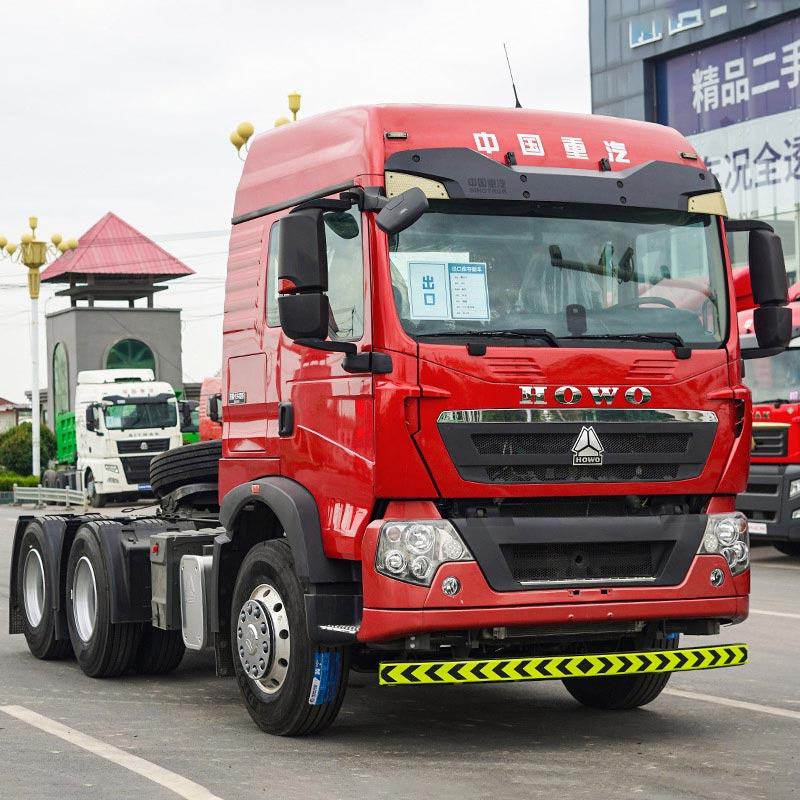
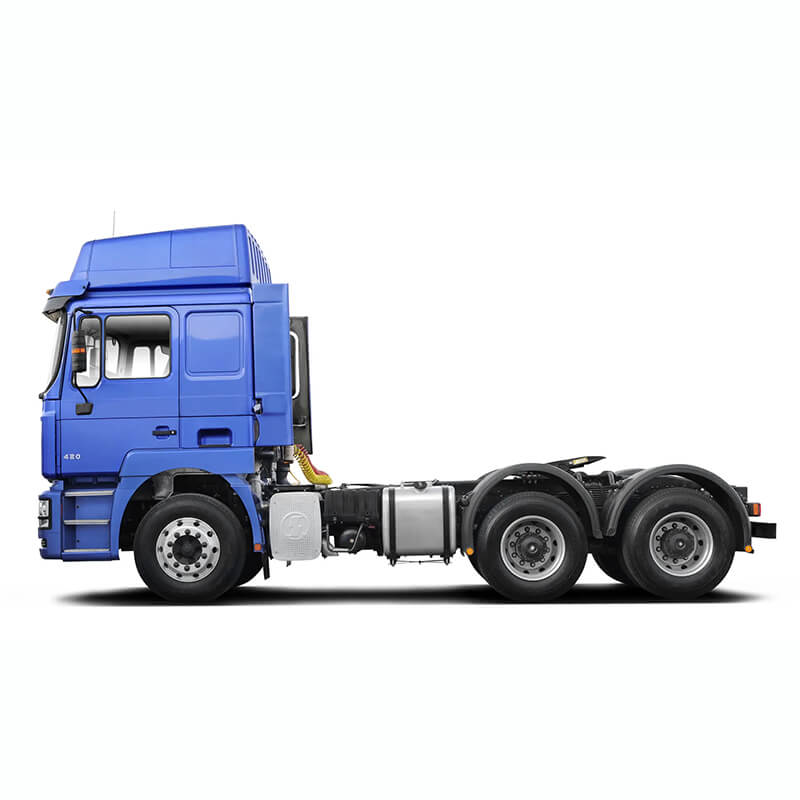
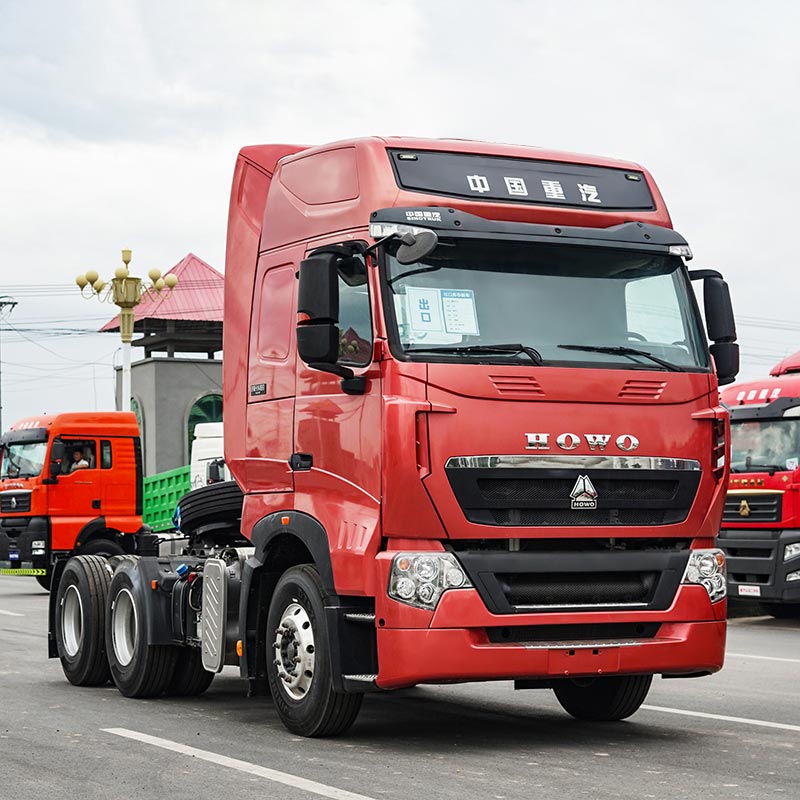
TianCheng Truck supplies certified reconditioned HOWO, Shacman, SITRAK and FAW trucks to 100+ countries with itemized FOB/CIF pricing, inspection support and full export documentation. View current inventory or request a Dakar or Nouakchott quotation - our export team replies within 24 hours.