Chad Used Truck Import Guide 2026: The Douala Corridor, T1 Bonded Transit and CEMAC Taxes
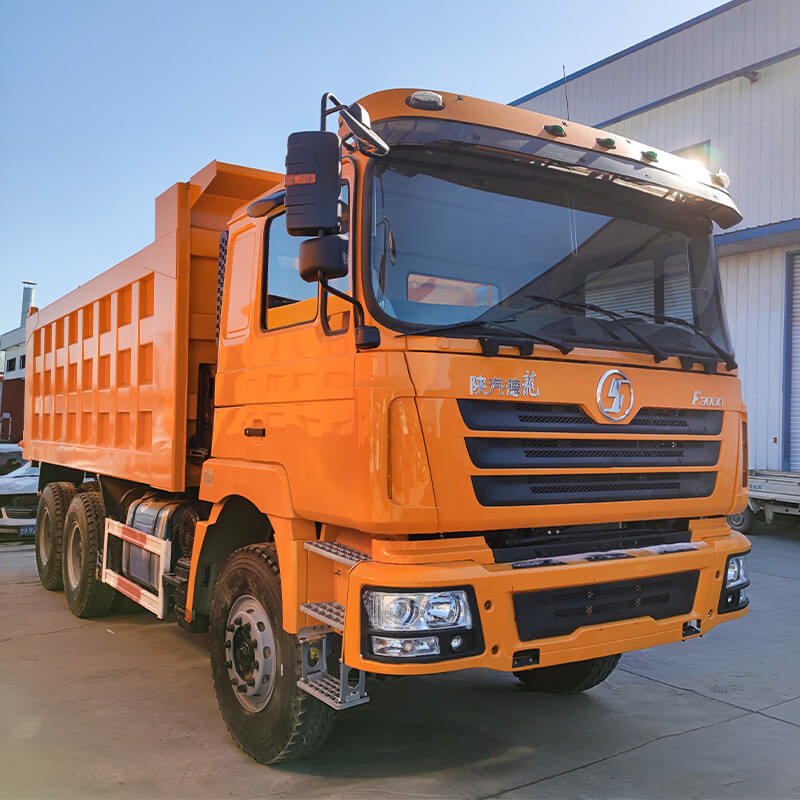
Chad has no coastline, no deep-water port and no vehicle factory - yet its roads carry mining, oil and relief convoys that run year-round in extreme heat and dust. Every imported used truck therefore arrives the same way: by sea to Douala or Kribi in Cameroon, then overland under bond across as much as 1,700-1,800 km of Central African corridor. For Chinese used truck buyers, Chad is a left-hand drive, value-assessed market with a logistics layer that decides success more than price does.
Why Chad buys Chinese used trucks
- An oil economy that runs on trucks. Production from the Doba basin moves along the Chad-Cameroon pipeline corridor, and contractor and government fleets in N'Djamena replace units on aggressive cycles.
- One of Africa's largest humanitarian operations. UN agencies and NGOs responding to refugee flows from Sudan and the Central African Republic and to the Lake Chad crisis operate thousands of support trucks and 4WD vehicles - a demand base that keeps the used parts and service ecosystem alive.
- LHD alignment. Chad drives on the right, so Chinese domestic left-hand drive stock fits without conversion - the same advantage documented in our LHD country map.
- No hard age ceiling (reported). Customs generally assess older units on value rather than banning them outright - unlike the strict brackets next door in Cote d'Ivoire. Newer units still clear faster and resell better in N'Djamena.
Getting there: the Douala-N'Djamena corridor
The Port of Douala handles the great majority of Chad's vehicle imports, with the deep-water Port of Kribi as a growing alternative. From Douala the corridor runs about 1,700-1,800 km north to N'Djamena. Many forwarders use the Camrail railway from Douala to the Ngaoundere railhead and complete the remaining distance by road, which reduces wear on the units and avoids some of the worst road sections. Door-to-door from vessel arrival typically takes 7-15 days in the dry season and longer in the rains. Chad-bound traffic exits Cameroon at the Kousseri border office, while the Garoua-Boulai and Touboro crossings serve the Bangui corridor for the Central African Republic.
The T1 bonded transit regime
Because the trucks only cross Cameroon, they move under the CEMAC international transit regime (T1) rather than a Cameroonian import entry. Five mechanics matter:
- TTU filing. A licensed customs broker registers the Single Transit Title (TTU) in the CAMCIS customs system with the bill of lading, BESC and commercial invoice attached.
- Broker bond. CAMCIS checks that the forwarder's bond covers the theoretical value of the suspended duties before issuing the release order (BAE). A thin bond means a blocked file - choose a financially solid broker.
- GPS beacons and electronic seals. Units are fitted with tracking beacons and electronic padlocks; any unauthorised opening outside customs zones triggers an alert.
- A 7-10 day transit clock. Customs sets a maximum journey time to the border; unjustified stops invite emergency checks.
- Heavy penalties for diversion. Diverting the cargo into the Cameroonian market triggers a call on the bond for 100 percent of the duties plus penalties that can reach 100-200 percent of CIF value, and can cost the carrier its licence.
Taxes and costs at the Chad end
Chad applies the CEMAC common external tariff in four bands (5, 10, 20 and 30 percent). Goods trucks generally land in the 5-10 percent duty band, plus 18 percent TVA (VAT) and community integration levies of roughly 1 percent, all assessed on CIF by the DGDDI customs directorate. That makes the tax load on trucks one of the lightest in our coverage - far below the 25-45 percent bundles buyers face in East Africa - but the corridor adds its own layer: Cameroonian port charges, BESC fees, T1 brokerage and bond costs, rail or road haulage and convoy fees. One industry estimate puts the total landed cost of a China-built truck delivered to N'Djamena at over 50 percent above CIF once transit costs are stacked - treat that as a planning number and confirm with your clearing agent before quoting.
Buyer checklist for Chad-bound trucks
- Confirm the broker's CAMCIS bond ceiling before the vessel loads - it gates the T1 file.
- Book dry-season arrival where possible; rainy-season corridor delays hit transit deadlines and storage fees.
- Verify the age-sensitive tax treatment of your specific HS line with a licensed Chadian agent - commercial trucks and passenger vehicles sit in different bands.
- Order heat-and-dust packages (cooling, filtration, air conditioning) at source; N'Djamena resellers pay for them.
- For mine and quarry work, follow the fleet setup logic in our mining truck benchmarks; for corridor haulage, the tractor choices in our 2026 price benchmarks apply directly.
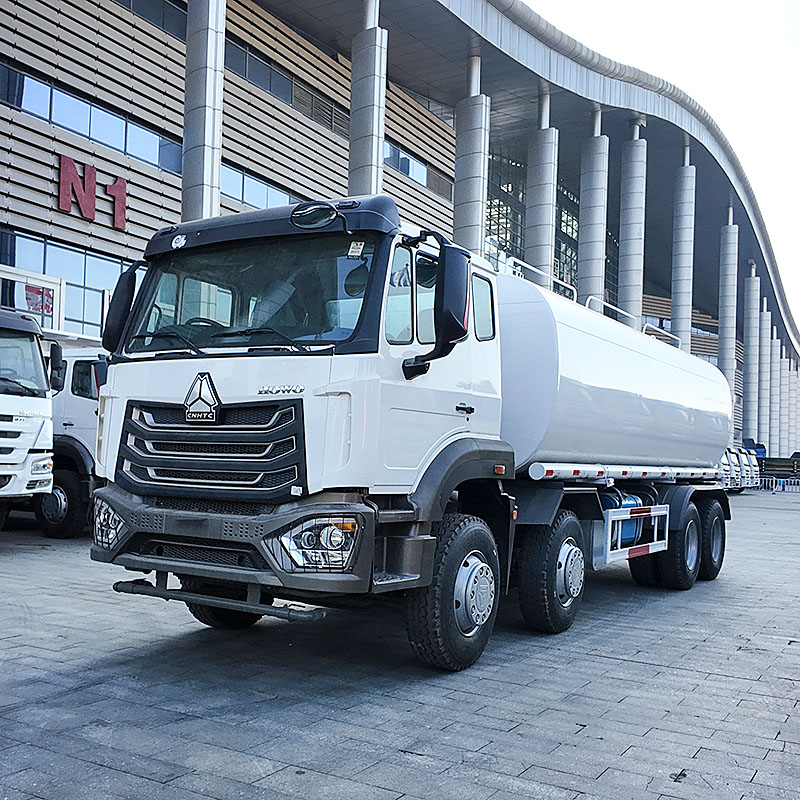
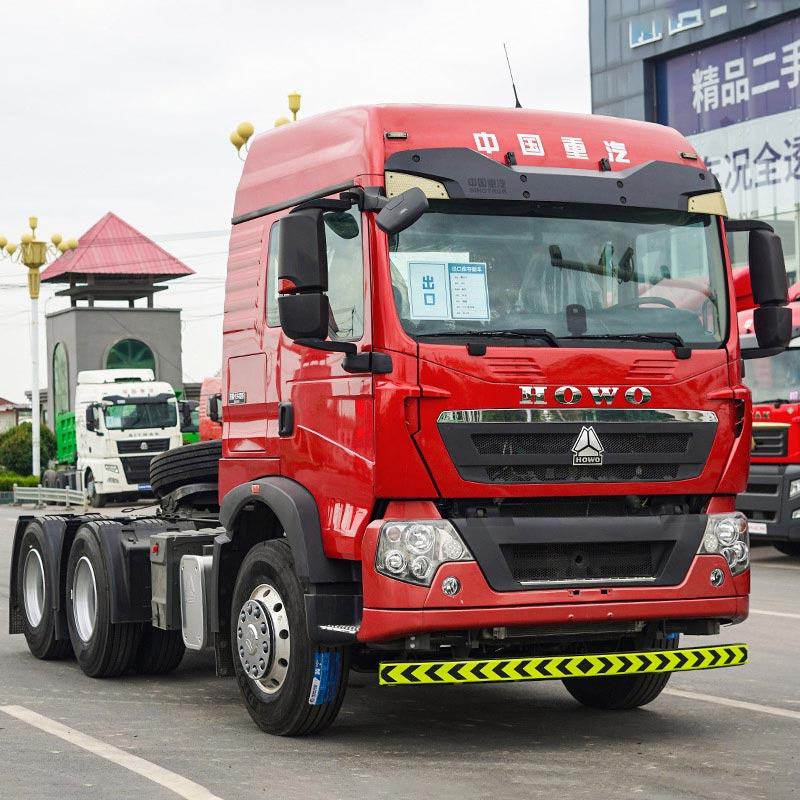
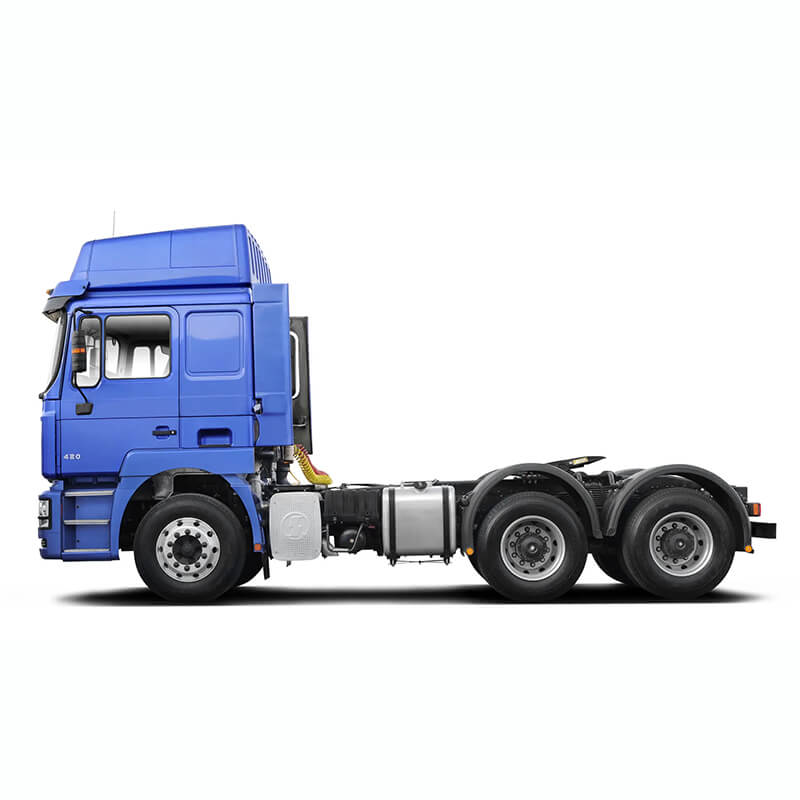
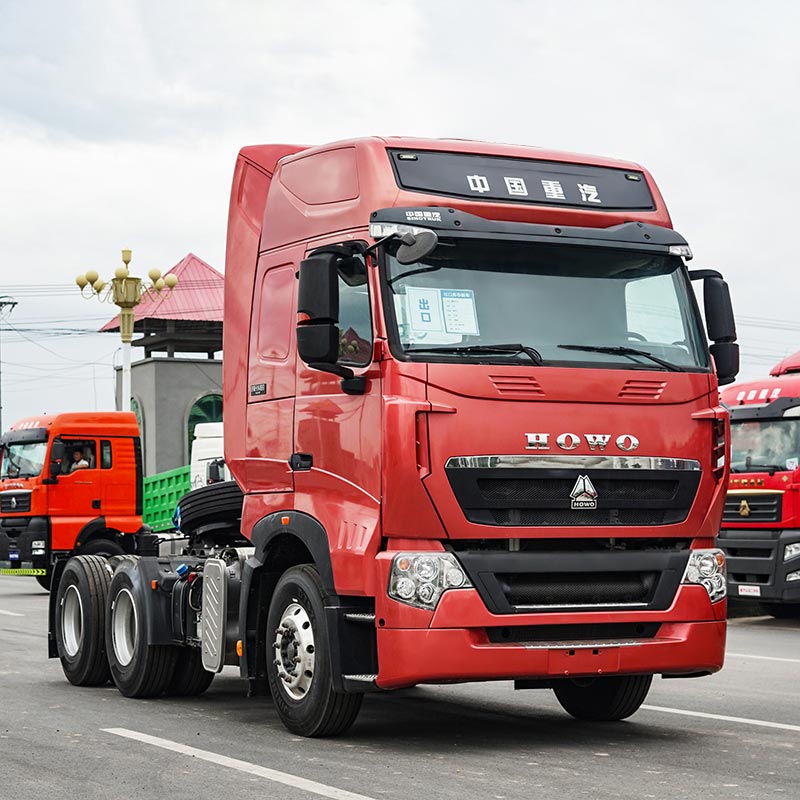
Chad sits in the green-to-yellow band of our 2026 global access traffic-light table and in the no-hard-limit group of the age limit comparison table. Freight timing follows the same Q4 dynamics described in our RoRo booking window guide and the West Africa shipping notes in news 33. TianCheng Truck supplies certified reconditioned HOWO, Shacman, SITRAK and FAW trucks with itemized FOB/CIF pricing, inspection support and full export documentation - request a Douala-corridor quotation and our export team replies within 24 hours.