Import Used Trucks from China to Malawi 2026: Near-Zero Duty over 10 Tonnes and the Dar Route
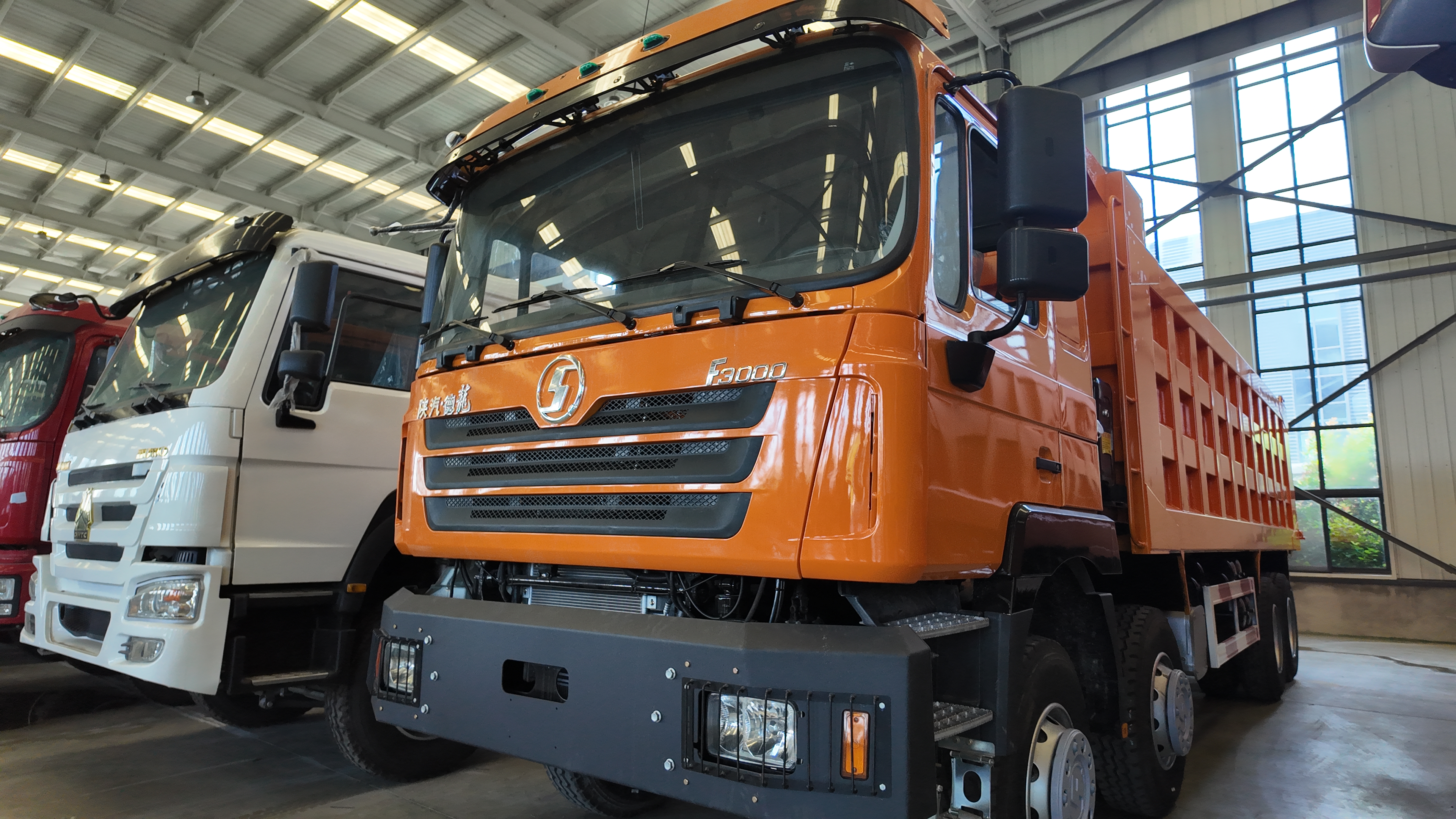
Malawi rarely makes the first page of used truck market reports, but the customs tariff should change that. This landlocked farm economy of 21 million charges zero import duty and zero VAT on trucks over 10 tonnes - one of the lowest duty loads of any market we have covered. Before you book cargo, though, there is one hard constraint to understand. Here is the complete 2026 guide.
1. Why Malawi Buys Trucks at All
Malawi produces and exports tobacco, sugar and tea, and imports most of its fuel and fertiliser through corridors it does not control. That means two things: farm estates and haulage contractors in Lilongwe, Blantyre and Mzuzu constantly replace rigid trucks and tippers, and every kit of parts arrives over a long land border. The fleet is old, the kwacha has depreciated sharply, and new European or Japanese trucks are out of reach - so reconditioned Chinese units, priced at a third of new, fit the purchasing reality.
2. The Duty Table That Makes Buyers Look Twice
Malawi taxes vehicles by engine size for cars but by gross weight for trucks. For commercial vehicles the 2026 brackets are:
- Trucks under 3 tonnes: 10% import duty + 5% excise + 16.5% VAT.
- Trucks 3-10 tonnes: 1.1% duty + 2.5% excise + no VAT.
- Trucks over 10 tonnes: 0% duty + 1.5% excise + no VAT.
Compare that with passenger cars, which carry up to 25% duty, 15-50% excise and 16.5-30% VAT. Malawi deliberately keeps heavy commercial capacity cheap because everything the country eats, burns and exports moves by road. The fiscal signal is clear: import the truck, create freight capacity.
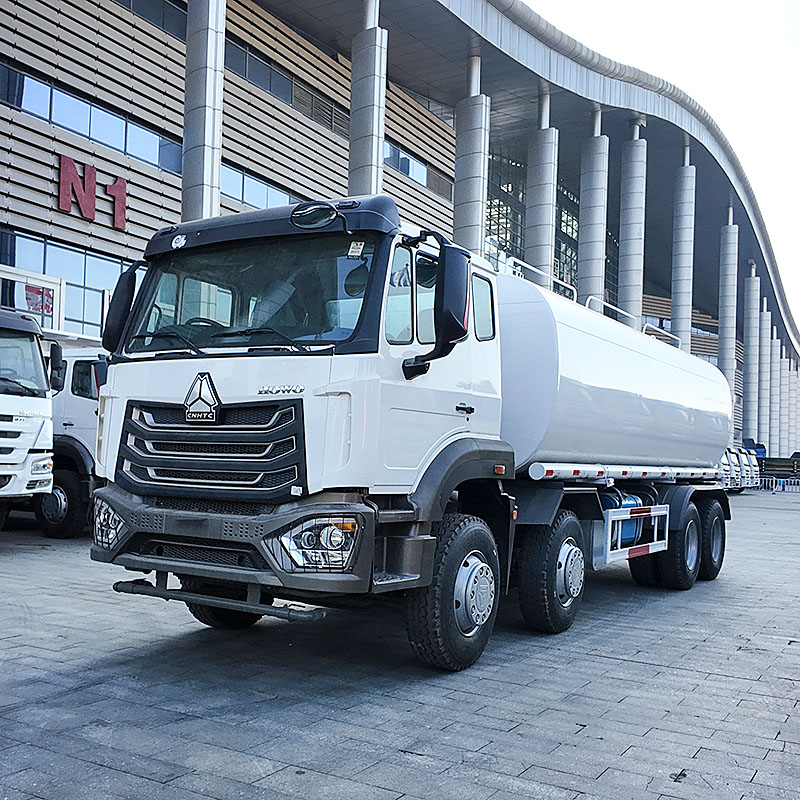
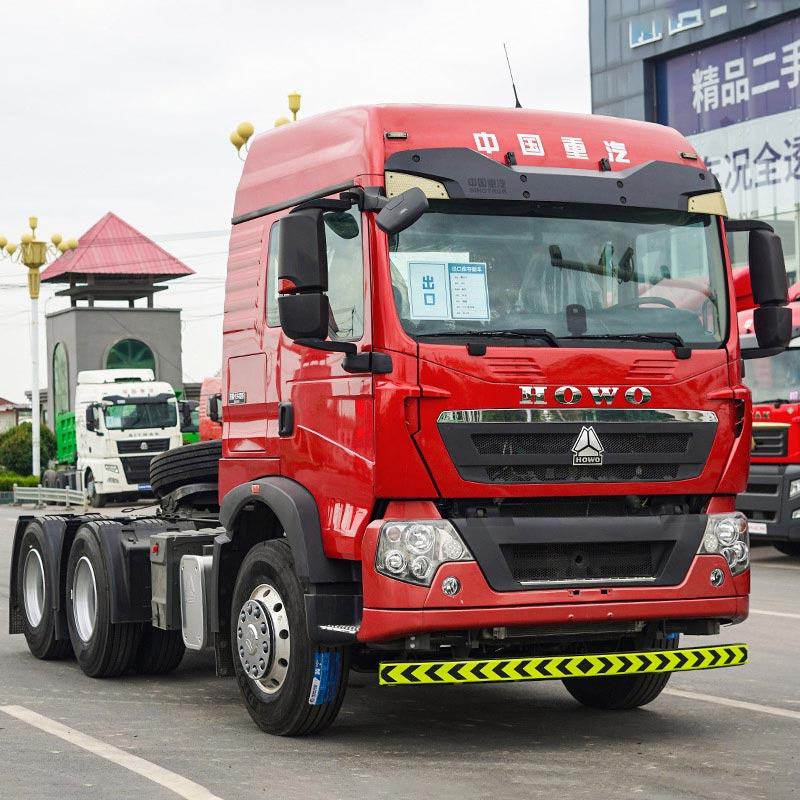
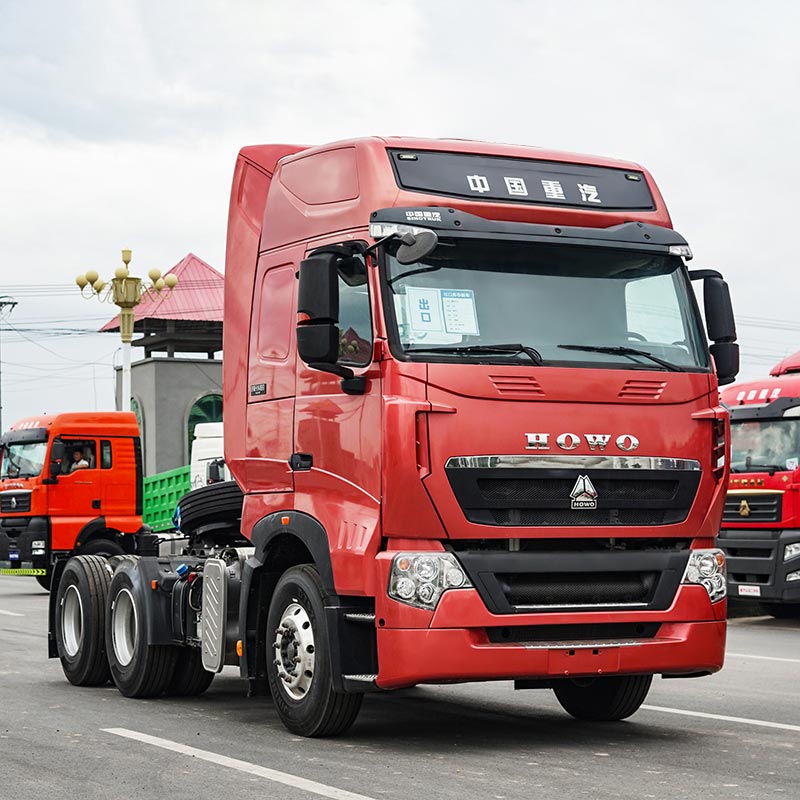
Worked example: a used HOWO 6x4 tractor unit (about 25t GCW) at CIF $18,000 pays 0% duty, 1.5% excise of $270 and no VAT - roughly $18,270 plus clearing and inland transport. Against Kenya, where the total tax stack runs 45-55% of CIF, that is a different sport. Note that customs valuation is based on invoice and CIF value, and assessors can challenge undervalued invoices, so declare realistic prices.
3. The Hard Constraint: Malawi Is Right-Hand Drive
Malawi drives on the left, and import rules permit right-hand-drive vehicles only, with exceptions for special vehicles such as ambulances and fire engines. This is the same wall we described in Zambia: Chinese trucks are built left-hand drive, so standard LHD units face registration obstacles.
Practical paths for buyers:
- Source factory-RHD units where available - some Chinese models were produced in RHD for export markets; check the steering configuration before you buy, not after.
- Buy for Malawi from RHD-origin fleets (Japan, UK, South Africa) if your supplier network covers them, and use Chinese reconditioning for parts and service.
- If you are a Chinese exporter, treat Malawi as a service-and-parts market unless you can secure RHD stock, and point LHD cargo at DR Congo, Tanzania or Angola instead.
4. No Age Limit - But Condition Still Counts
Unlike Kenya with its 8-year cap or the UAE with its 10-year line, Malawi imposes no formal age limit on used vehicles. Do not confuse that with a free pass: customs assessors still judge condition and value, and an ancient unit with a failing chassis will cost more in downtime than it saved. As a working standard, aim for models from the last 10 years with under 500,000 km, and require the seller to document engine compression, gearbox and frame condition - the checklist in our pre-purchase inspection guide applies fully here.
5. The Route: Dar es Salaam, Then 1,900 km by Road
Malawi is landlocked, so the port is just the first leg:
- Dar es Salaam (primary). RoRo service from China takes about 24-34 days with monthly sailings, then roughly 1,900 km overland via the Tanzam highway to Lilongwe or Blantyre. Our Tanzania clearance guide covers the port side in detail.
- Durban (alternative). Longer sea leg but frequent sailings; overland through South Africa and Mozambique adds border crossings.
- Beira and Nacala (Mozambique). The shortest inland distance for central and northern Malawi; container plus transloading can beat RoRo on total cost for single units.
Whether to ship RoRo or in a container depends on units per shipment and security needs - the decision framework is in our shipping-mode comparison.
6. Document Checklist
Clearing agents in Lilongwe and Blantyre ask for:
- Original commercial invoice (CIF value stated).
- Original certificate of title and registration from the country of origin.
- Bill of lading showing chassis number, engine number, cubic capacity, year of manufacture, brand and model - incomplete B/L details are the most common cause of clearance delay.
- Pre-shipment inspection or condition certificate where the buyer or financier requires one.
- Certificate of origin - SADC documentation can secure preferential treatment for regionally sourced units.
Budget for customs processing plus agent fees, and agree the dutiable value with your agent before the vessel sails, not after it docks.
The Bottom Line
Malawi is a niche but genuinely cheap market for heavy used trucks - if you can solve the right-hand-drive constraint. Zero duty above 10 tonnes, no age cap and a workable Dar es Salaam route make the landed cost among the lowest we have modelled. Check our current stock of HOWO, Shacman and FAW units, confirm steering configuration with our team, and pick a green-light route for your next shipment.