Cotonou to Niamey and Ouagadougou: The TRIE Bonded Transit Route for Used Trucks
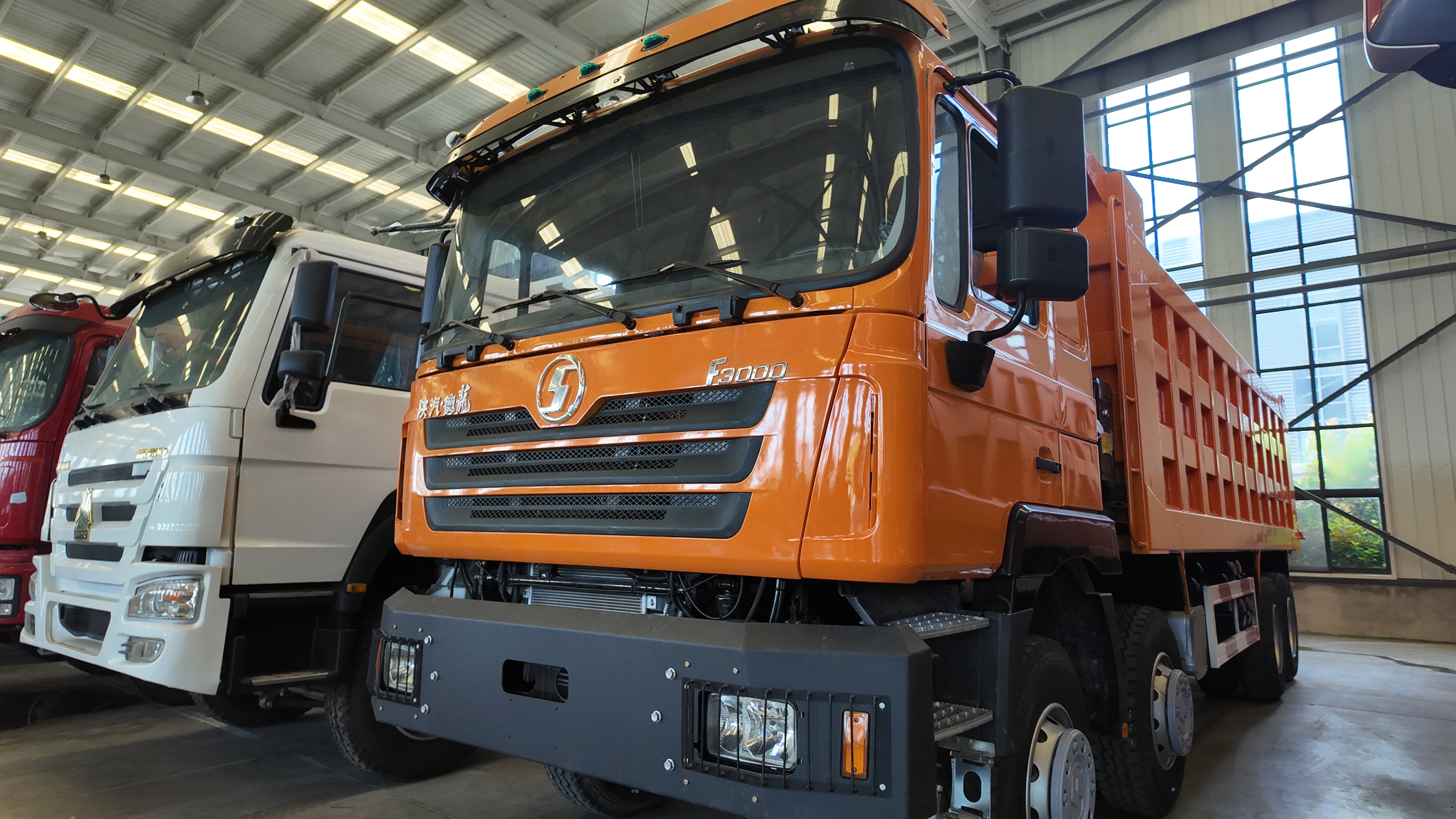
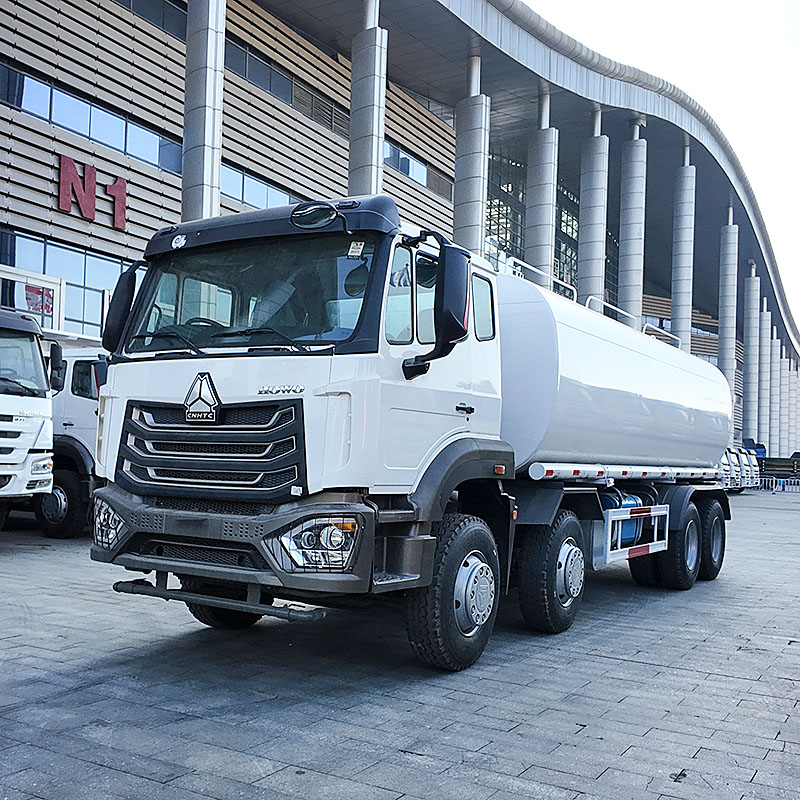
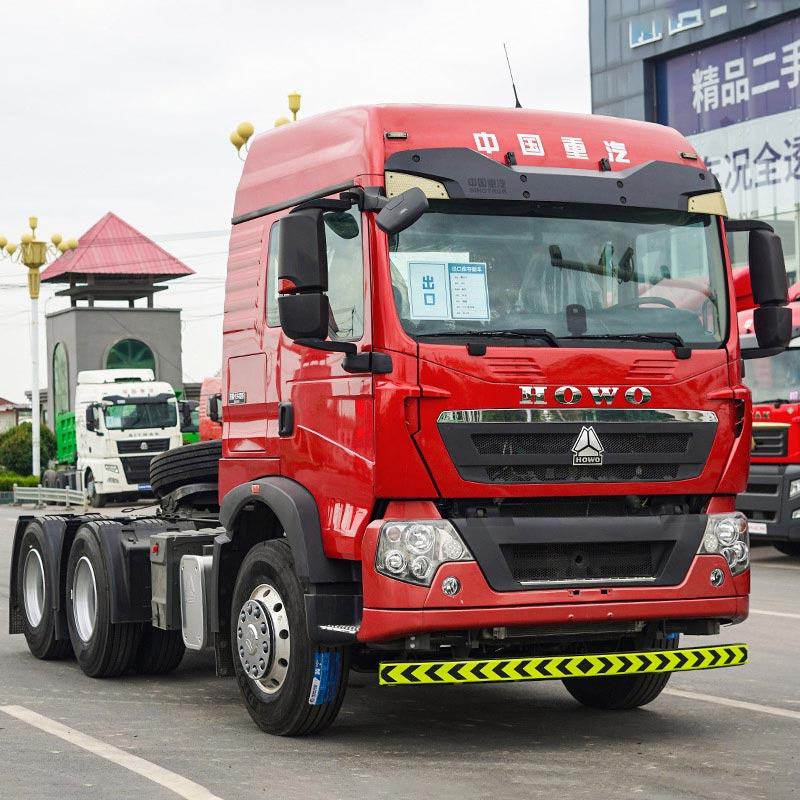
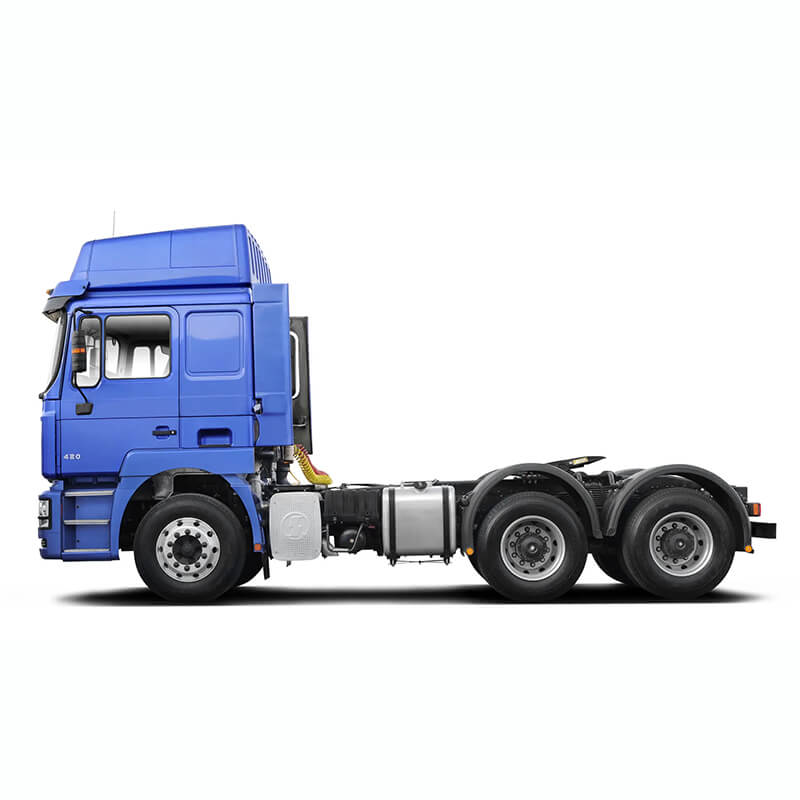
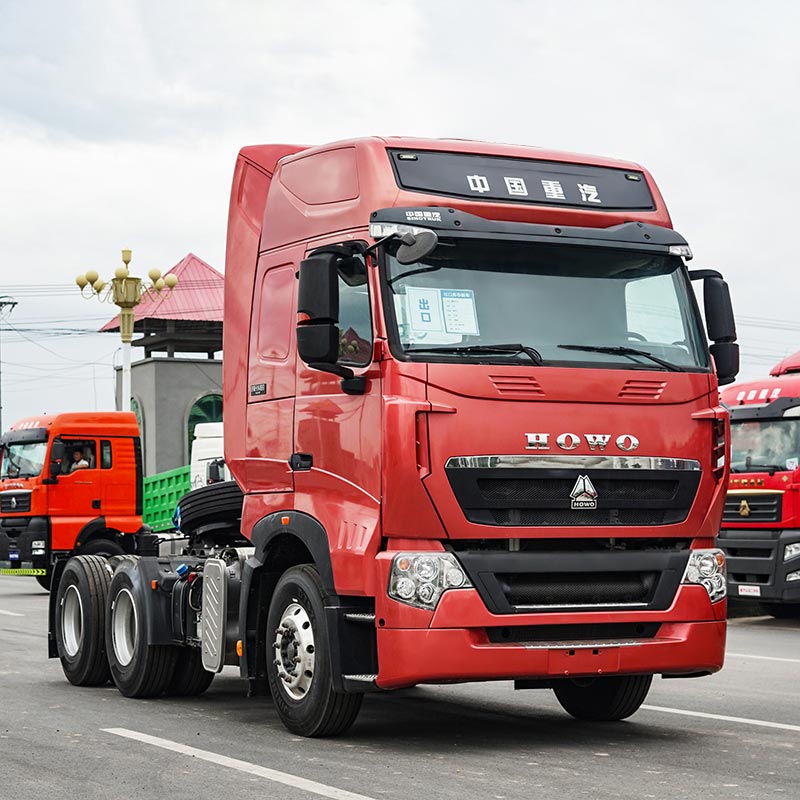
Niger and Burkina Faso buy used trucks in serious volume, and neither country owns a seaport. Almost every unit they import crosses a coastal port first - and the busiest gateway is Port Autonome de Cotonou in Benin. Industry estimates put roughly 38-45% of used vehicles arriving at Cotonou in transit onward, with the Niger corridor the highest-volume route. The mechanism that makes this possible is the ECOWAS TRIE - Transit Routier Inter-Etats - and understanding it is the difference between paying duty twice and paying it once, in the right country.
1. What TRIE Actually Does
TRIE is the ECOWAS inter-state road transit convention. Under a single transit declaration backed by a bond, cargo can move from a coastal port across multiple ECOWAS borders without paying final-destination duty at each step. Concretely for a used truck: it lands at Cotonou, clears Benin customs under transit, not import - no Beninese duty, no Beninese VAT - then moves overland to Niamey or Ouagadougou, where the destination country collects its own ECOWAS CET duty and VAT at final clearance.
The financial logic is simple: duty is paid once, at the country where the truck will actually work. The bond guarantees that the cargo leaves Benin instead of leaking into the local market - if the transit is not closed at the destination border post, the bond is called.
2. The Document Stack
- ECTN / BSC (Bordereau de Suivi des Cargaisons) - mandatory cargo tracking note issued before vessel loading. No ECTN, no clearance at Cotonou.
- T1-style transit declaration filed at Cotonou instead of the final import declaration (DUD), plus the bonded carrier guarantee.
- Consignee IFU - the Beninese or destination tax identification of the receiving party.
- Commercial invoice, bill of lading, certificate of origin, packing list - in French wherever possible; Cotonou documentation works best in French.
Benin customs runs the SYDONIA electronic declaration system, and commercial transit cargo moves only through a licensed customs broker - the port will not release commercial cargo without one. Choose an agent who actually works the Seme-Krake and northern corridors, not just the port.
3. The Corridors
- Cotonou - Niamey (Niger): about 1,030 km, typically 2-3 days by truck, crossing at Seme-Krake then running north through Parakou and Malanville on the Niger border. This is the highest-volume transit corridor out of Cotonou.
- Cotonou - Ouagadougou (Burkina Faso): about 1,000 km, 2-3 days, running through central and northern Benin toward the Burkina border and on to Fada N Gourma and Ouagadougou.
- Cotonou - Bamako (Mali): about 1,810 km, 4-6 days - longer, which is why some Mali-bound cargo prefers Dakar or Abidjan.
For Burkina-bound trucks, Abidjan is the main alternative gateway; for Niger, Lome competes. Cotonou wins on a combination of mature transit processing, weekly RoRo sailings and the deepest re-export brokerage market in the region.
4. Paying Duty at the Destination
At final clearance, Niger and Burkina Faso apply the ECOWAS Common External Tariff: used trucks generally fall in the 10-20% duty band on CIF, plus VAT (18% in Burkina Faso, 19% in Niger) and small community levies. Because the CIF base was already fixed by the transit declaration at Cotonou, a well-prepared file clears the inland post predictably - the same valuation follows the truck the whole way.
5. What Makes the Route Work - and What to Watch
Three practical points shape the route in 2026. First, steering: Benin, Niger and Burkina all drive on the right, so standard Chinese LHD trucks fit every market on the corridor - no conversion anywhere. Second, age: Benin imposes no fixed age limit (our Benin import guide covers the local-market rules), but roadworthiness inspection tightens after ten years, and destination posts apply their own checks - target units that pass a strict controle technique. Third, corridor security: sections of the Sahel routes operate under convoy or escort arrangements depending on the period; build schedule buffer and insurance cost into the inland leg instead of quoting port-to-border timing alone.
Who Should Use the TRIE Route
- Buyers in Niamey or Ouagadougou: Cotonou transit is usually the fastest and best-brokered path to your yard.
- Dealers serving the Sahel: land at Cotonou, transit under bond, clear duty only in the market where you sell.
- Nigeria-adjacent traders: note that Nigeria-bound trucks are a different file - Nigeria enforces its own strict import regime, covered in our Lagos clearance guide.
TRIE turns two landlocked countries into workable used truck markets - but only when the transit file is built correctly at the coast. For the wider 2026 map of where Chinese used trucks can land, see the traffic-light guide to global import rules, and before committing to any unit, run our pre-purchase inspection checklist.