Mombasa vs Dar es Salaam: Choosing the Right East Africa Port for Used Trucks
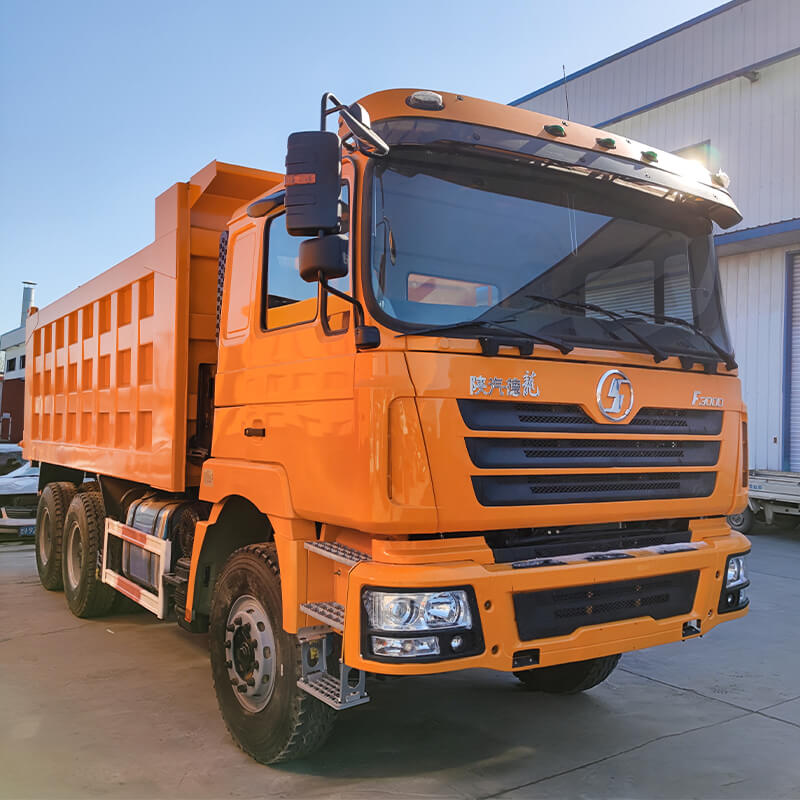
East Africa has two great truck gateways - Mombasa in Kenya and Dar es Salaam in Tanzania - and for many inland buyers the port choice matters as much as the truck itself. Freight, clearance clocks, tax regimes and the final road leg all differ, and picking the wrong corridor can add weeks and thousands of dollars to a landed truck. This guide compares both ports for used truck imports and shows which corridor fits your final destination. For country-level rules, start with our Kenya import guide and Tanzania clearance guide.
The two corridors at a glance
- Mombasa (Kenya) - the Northern Corridor. East Africa's largest gateway serves Kenya plus Uganda, Rwanda, South Sudan and eastern DR Congo. It offers the most frequent shipping connections from China - industry data for 2026 put RoRo sailings at roughly 3-4 per month versus 2-3 to Dar es Salaam (reported) - plus the region's largest clearing-agent market and the established Northern Corridor trucking we described in our Uganda import guide.
- Dar es Salaam (Tanzania) - the Central Corridor. The natural gateway for Tanzania, Zambia, Malawi, Burundi, Rwanda and eastern DRC, with road and rail spines heading south and west. That is the route mapped for copper-belt buyers in our Zambia guide and DR Congo guide - Dar to Kasumbalesa runs 39-54 days door to door.
- Rwanda and Burundi sit between both corridors. Mombasa works via the Northern Corridor, while Dar routing through Kobero (1,200-1,500 km, inland 4-9 days) is the option we detailed in the Burundi guide and the Rwanda guide. Get quotes from both corridors before you book - the cheaper ocean leg can lose to a longer road leg.
Freight and port costs
For heavy trucks on RoRo, our October 2026 rate snapshot in the Q4 booking window guide pegged China-Mombasa at roughly $2,000-3,200 per unit and China-Dar es Salaam at $2,000-3,000, with a 4-6 week booking lead. Ocean transit is broadly similar at 25-35 days. Port-side costs differ modestly: 2026 importer guides put typical Kenyan port and clearance charges near $800-1,500 per unit against $900-1,600 in Tanzania (reported ranges for standard units - heavy trucks run higher).
Clearance clocks and rules
- Mombasa clock. Kenya's clearance discipline is strict: vehicles must be cleared inside the window we flagged in the Kenya guide - about 21 days - or storage costs escalate fast. The file needs a KRA PIN, an Import Declaration Form filed through the KenTrade single window, and the pre-export roadworthiness certificate; budget total duties near 45-55% of CIF (25% duty + 16% VAT + IDF + RDL for trucks).
- Dar clock. With a pre-arranged PVoC CoC, customs release after discharge is typically 5-9 working days (reported). Declarations go through TRA's TANCIS system with a TIN, filed by a licensed clearing agent. Tanzania applies roughly 25% duty + 18% VAT + two 1.5% levies, which is how our Tanzania guide lands a $25k CIF truck near $36.5k.
- Age and steering rules diverge. Kenya is a right-hand-drive market with an 8-year age limit; one 2026 importer guide reads the 2026 cut-off as first registration 2019 or later, so confirm the current-year cut-off with KEBS or your clearing agent before you buy. Kenya also bans LHD-to-RHD conversion. Tanzania accepts left-hand drive - a core advantage for Chinese trucks - and applies age-based excise instead of a blanket ban; see our 2026 age-limit comparison table for both.
- Inspection bodies differ. Kenya appoints QISJ for pre-export roadworthiness on Japanese-sourced units and KEBS PVoC applies to other origins; Tanzania's TBS works through EAA with Intertek/PVoC options. The $150-350 per-unit inspection band in our Kenya guide is a useful planning figure for both ports.
How to decide
- Final destination first. Kampala, Juba and northern/eastern DRC fleets lean Mombasa; Lusaka, Lilongwe and Lubumbashi lean Dar; Kigali and Bujumbura need quotes from both corridors.
- Then steering and age. If your fleet runs LHD Chinese trucks, Dar avoids Kenya's RHD-only entry entirely.
- Then schedule risk. Mombasa congestion in peak season is the classic delay driver; Dar is the standard fallback - and with Q4 peak booking now live, lock vessels 4-6 weeks ahead as outlined in our booking window guide.
- Mind the paperwork mismatches. Importer experience across both ports shows most delays trace to mismatched consignee names or chassis numbers and missing inspection certificates - the same four-document consistency we demand in the payment safety guide.
Bottom line: for a Kampala or Juba fleet, Mombasa's sailing frequency and Northern Corridor trucking usually win; for Lusaka, Lubumbashi or a mixed Rwandan-Burundian order, Dar es Salaam's LHD acceptance and Central Corridor reach are hard to beat. Price both corridors, then book early.