Used Mining Trucks for Africa 2026: Dump Truck Benchmarks, Prices and Fleet Setup

Construction haulage and mining haulage are different sports. A dump truck that thrives on highway projects can be worn out in a year on a mine haul road, and buyers in the Copperbelt, Katanga, Ghana goldfields or Tanzanian mining districts who price trucks by sticker value alone routinely pay for it later. This guide benchmarks the used Chinese dump trucks that African mine sites actually run, then covers the freight, duties and maintenance planning that turn a cheap truck into a productive one.
2026 Dump Truck Price Benchmarks: FOB and CIF
Indicative export-condition prices for 2018-2021 units, from Chinese exporter yards. Stock moves weekly - treat these as planning bands, not quotes:
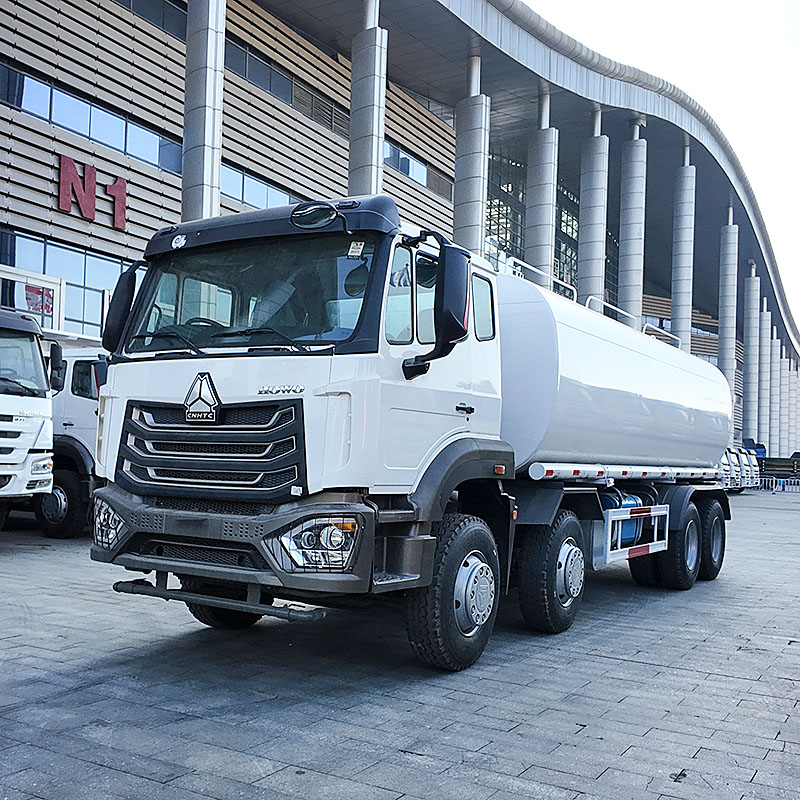
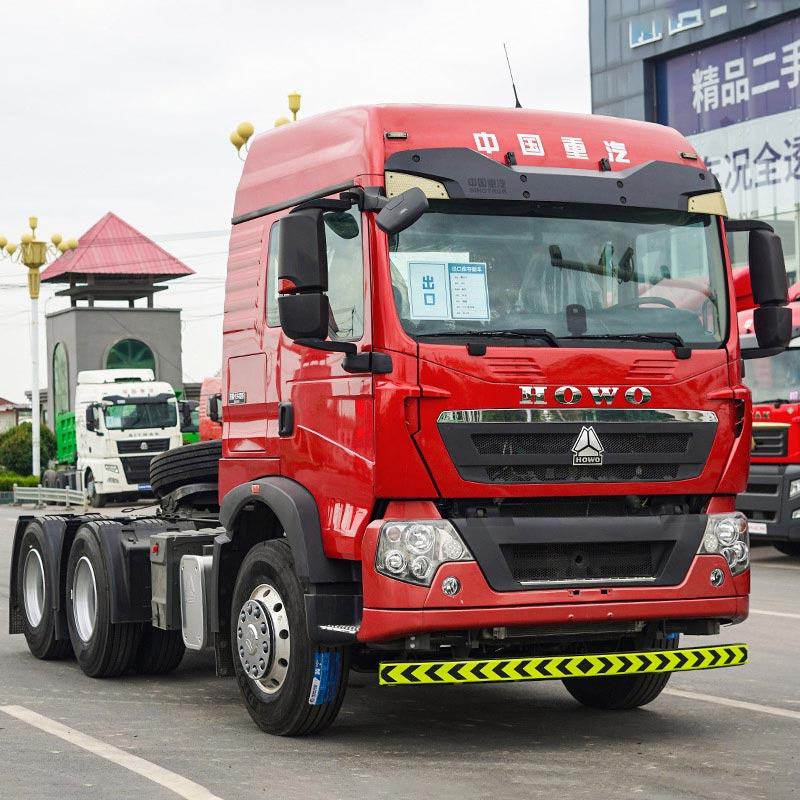
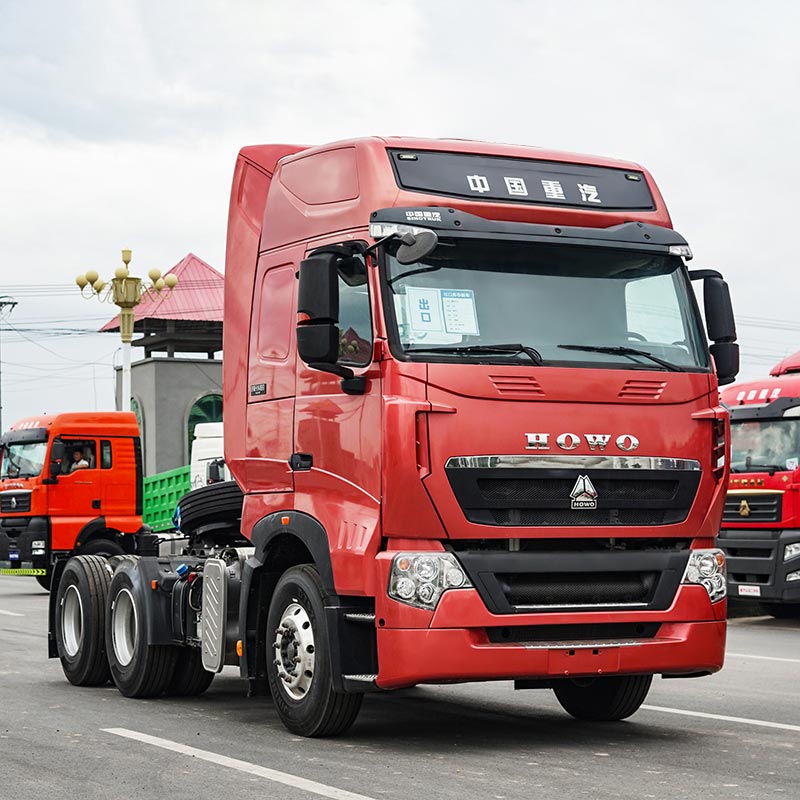
- HOWO 371 6x4, 5.6 m3 body: $16,000-$23,000 FOB; $17,000-$25,000 CIF Dar es Salaam - the default Copperbelt and construction workhorse.
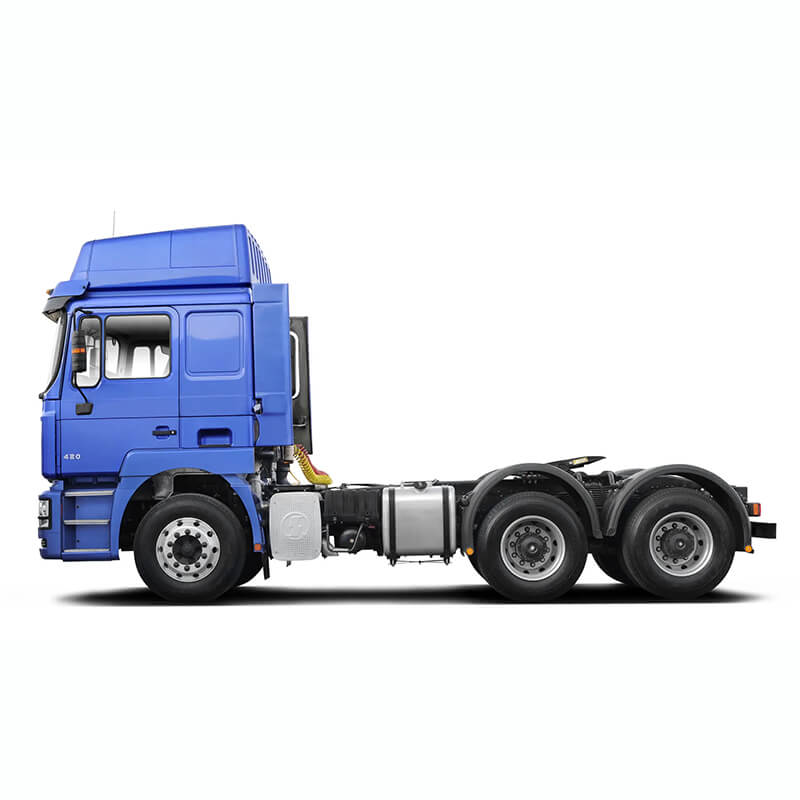
- Shacman F3000 6x4, 5.6 m3 body: from $15,500 FOB; $18,500-$26,000 CIF Dar es Salaam.
- HOWO 380 8x4, 5.8 m3 body: from $15,500 FOB; $21,000-$28,000 CIF - the heavy-haulage step up.
- Shacman F3000 8x4, 6.5 m3 body: from $19,500 FOB; $25,000-$32,000 CIF - mining-spec favorite.
- FAW J6 6x4, 5.6 m3 body: from $12,500 FOB; $17,000-$24,000 CIF - the value option.
For context on the new-vs-used decision: a brand-new 8x4 mining-spec dump truck runs $85,000-$115,000 factory-direct, while the used secondary market sits at $20,000-$45,000. The gap is real - but so is the condition risk, which is why the inspection and spec sections below matter more than the price table.
Spec Selection: What Mine Duty Actually Requires
- Power: 336-380 hp covers road and general construction work; reserve 400-430 hp for long mine hauls and steep terrain where rpm drop and heat kill smaller engines.
- Configuration: a 6x4 with a 5.6 m3 body suits general hauling; an 8x4 with a 6.5-7.4 m3 body is the minimum for serious mine haulage.
- Running gear: reinforced rear axles and 12.00R20 tyres cope with laterite and gravel far better than road-spec rubber.
- History: in mining, engine hours and previous duty matter more than kilometers. A truck with 80,000 highway km usually has more left than a 40,000 km quarry unit. Ask for duty history and hours, not just the odometer photo.
Freight: Port Choice and the Inland Leg
Mining trucks are heavy, and weight shapes both method and cost:
- Dar es Salaam: RoRo or 40ft container (two units) at $3,500-$5,500, sea transit 30-38 days; then $2,000-$3,000 and 5-7 days trucking to Lusaka, Ndola or Kitwe.
- Durban: RoRo preferred at $2,500-$4,500, 25-32 days, onward via Chirundu into Zambia.
- Lagos: $2,000-$4,000 per unit, 25-32 days - for West African project cargo.
- Tema (Ghana): 40ft container $3,500-$5,000, 28-35 days - the goldfield entry.
Inland transport from port to a remote mine adds $2,000-$4,000 and 5-10 days - Dar to Lubumbashi or Ndola is the classic example. Budget it upfront; it is the most commonly forgotten line in first-time buyers spreadsheets. Current Red Sea surcharges and RoRo space constraints, covered in our Q4 shipping report, still apply on top.
Duty Frameworks at the Major Mining Destinations
We cover each in depth in the country guides - here is the one-line version:
- Zambia: ZRA taxes by age band, roughly 15% duty plus carbon tax and 16% VAT on commercial vehicles - see the Zambia guide.
- DR Congo: the 15-year cap is now fully enforced, with OCC pre-shipment inspection around 2% FOB, duty 5-15% and 16% TVA - see the DRC guide.
- Ghana: 10-year limit, GSA duties, and since October 1 the mandatory EASYPASS CoC before shipping - see the Ghana guide.
- South Africa: effectively closed to used commercial truck resale imports - the Polokwane route guide explains the workaround buyers use.
Maintenance Planning: The 250-Hour Discipline
Mine duty cuts service intervals roughly in half. The fleet plan that works:
- Oil changes every 250 hours with CF-4 or higher diesel oil - dust and constant full load accelerate wear twice as fast as highway use.
- Air filters replaced twice as often - a clogged filter burns fuel and power on every haul.
- Hydraulic hoist cylinders checked weekly - dust scoring the seals is the most common failure point on mining tippers.
- Brake drums and linings inspected monthly - loaded ramps wear them at roughly double the road rate.
- A spares kit on site: filters, brake linings and a spare hydraulic pump cover the most common downtime causes.
The offsetting good news: HOWO and Shacman parts are stocked across the Copperbelt and most African mining towns, with next-day availability through local distributors in Kitwe, Ndola and Chingola. That parts density - not the purchase price - is why these two brands dominate African mine sites.
New or Used: The Uptime Math
Used makes sense when capital is tight, the truck is needed this month rather than in 90 days, and the buyer can verify condition. New makes sense when uptime revenue justifies the 45-90 day factory lead time and 3-4x acquisition cost. The middle path most successful fleets take: buy used units only with a documented 30-point inspection and video walkthrough before balance payment, run the 250-hour discipline from day one, and add units as revenue proves out.
Where to Go Next
Pair this guide with the model-level FOB benchmarks in our tractor truck price list, the RoRo vs container decision guide, the pre-purchase inspection checklist, and the Zambia and DRC country guides for the duty detail behind the Copperbelt routes.