Exporting Used Trucks to Uzbekistan and Central Asia 2026: Rail Corridors, Duties and Limits

With Gulf transshipment congested and ocean freight tightening, Central Asia has moved to the front of the used-vehicle map. China runs direct land corridors through Khorgos and Alashankou that deliver in under three weeks without touching a single maritime chokepoint. But Central Asia is not one market: the rules differ sharply between Uzbekistan, Kazakhstan and Kyrgyzstan, and truck buyers face specific restrictions that passenger-car guides skip. Here is how the trade actually works.
1. Why Central Asia, Why Now
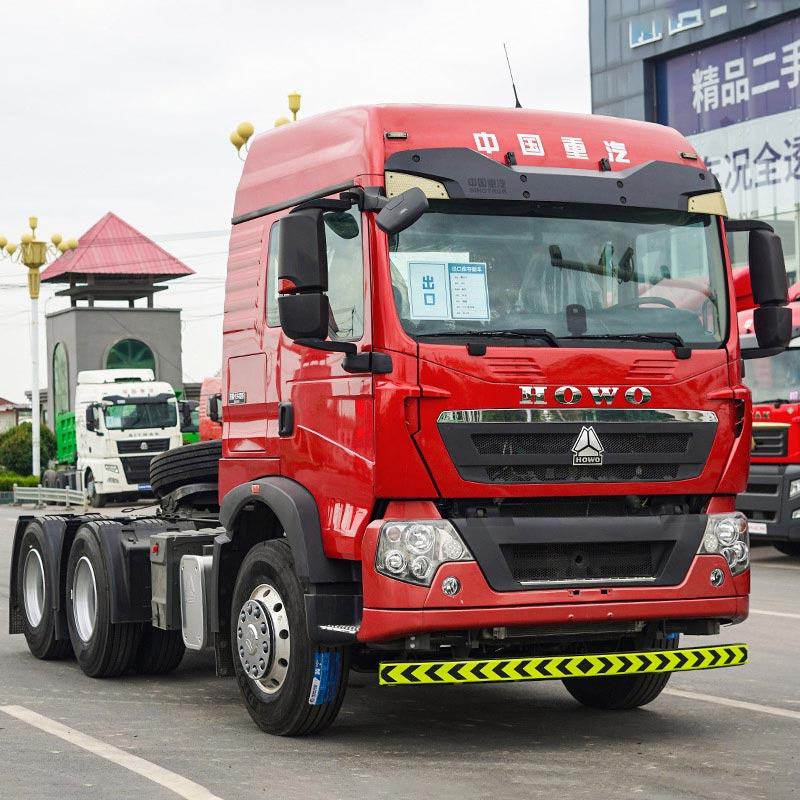
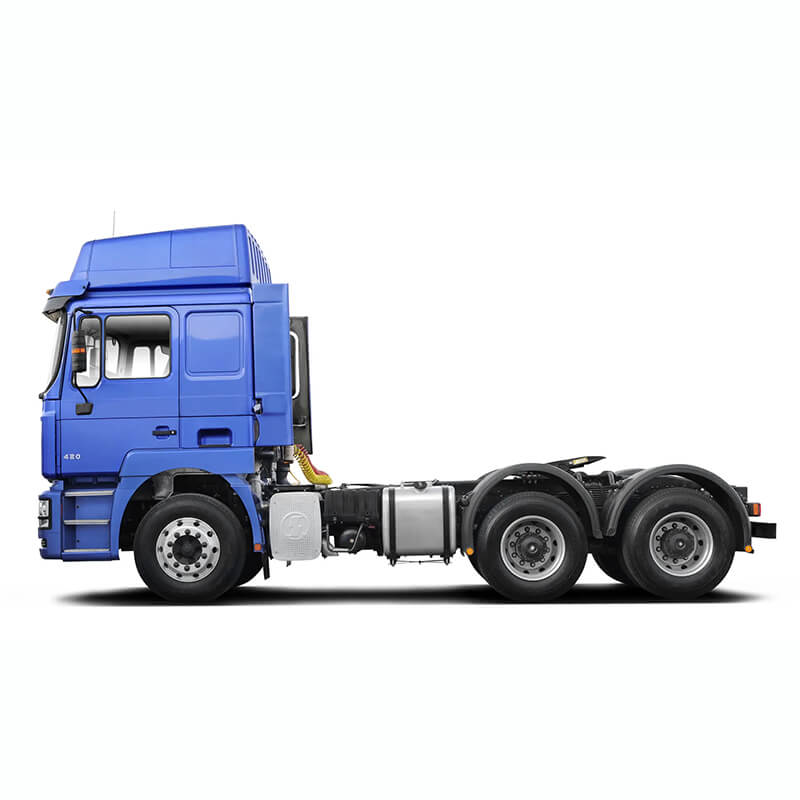
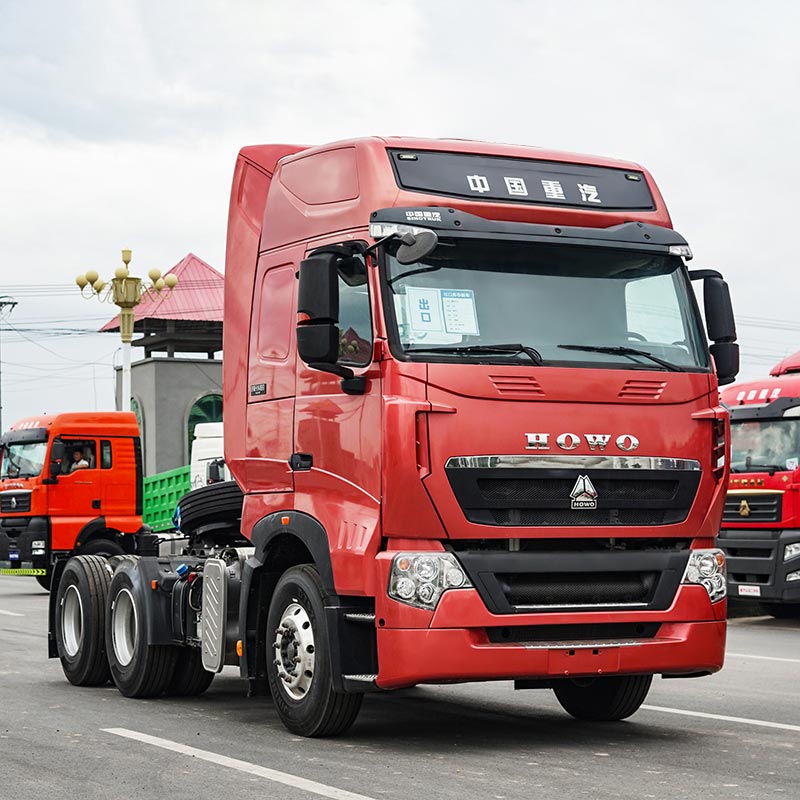
Reported trade data for January-May 2026 put Chinese used-vehicle exports to Russia at roughly 35,000 units, Kyrgyzstan about 15,000, the UAE about 10,000, Uzbekistan about 9,000 and Kazakhstan about 7,500. As Gulf re-export hubs stalled under shipping disruption, more volume shifted to direct land delivery. Demand comes from the fleets that built the region: mining, construction and agriculture operators in the Kazakh steppe, the Uzbek cotton belt and the Fergana Valley, all replacing aging European and Russian equipment with newer, cheaper Chinese units.
2. Uzbekistan: The Biggest Market with the Hardest Limits
Uzbekistan is the most populous market in the region and the reported destination of about 9,000 Chinese used vehicles in the first five months of 2026. Its rules are strict and enforced:
- Steering: left-hand drive only. Right-hand-drive vehicles are not registered - Chinese trucks match natively.
- Age: natural persons may import vehicles up to 7 years old; legal entities face no hard cap, but duty brackets punish older units severely and very old vehicles cannot be registered at all.
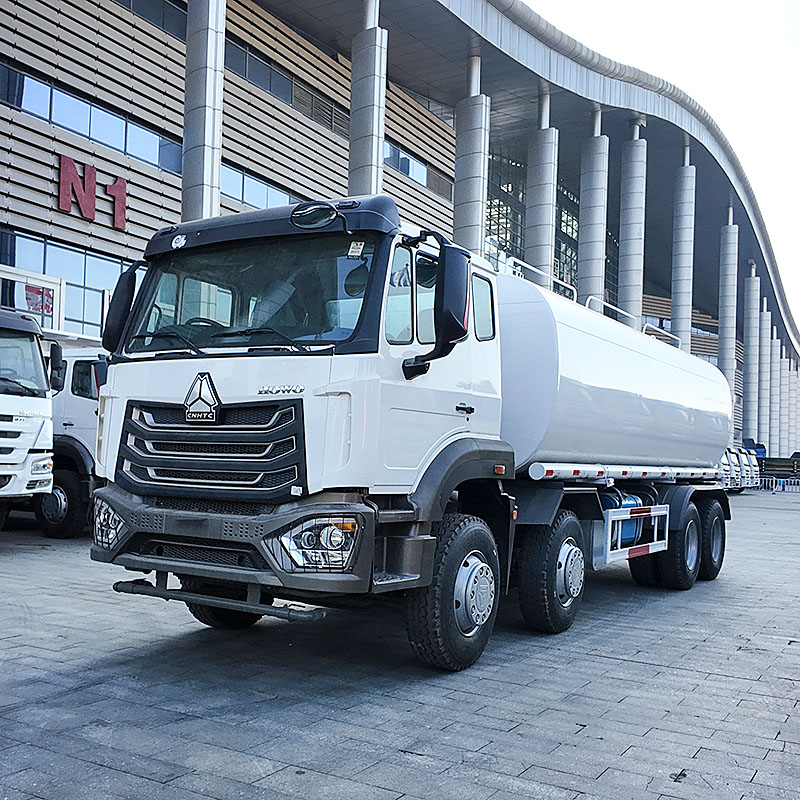
- Vehicle types: used M2/M3 buses and N2 medium trucks are reported to be prohibited from used import, along with accident, flood and fire-damaged units. Heavy-truck categories are treated case by case - confirm the exact classification of your units with a licensed customs broker before committing inventory.
- Emissions: petrol vehicles must meet Euro 4 or better, diesel Euro 5, verified through laboratory testing in Tashkent. Aging mechanical-injection diesels often fail.
3. Reported Duties and Fees (2026)
Figures below are reported values from market sources - brackets have changed more than once since 2022, so confirm the current table with your broker before quoting a landed price:
- Duty (fuel vehicles): under 1 year: roughly 20% plus a per-cc charge of $1.8-3; 1-3 years: about 30% plus the charge; over 3 years: about 40% plus $3 per cc. The older the unit, the heavier the stack.
- VAT: 12%, calculated on the customs value plus duty - and the customs value includes freight and insurance, so rail charges count toward the tax base.
- Recycling fee: the real deal-maker or deal-breaker. Reported at roughly 90-480 BCU for older petrol vehicles (1 BCU is about $27), which on some units exceeds the vehicle value itself. Hybrids and EVs pay a far lower flat band, and EVs carry 0% duty.
4. Kazakhstan and Kyrgyzstan: The Two Neighbors
Kazakhstan combines the largest economy in the region with mining and oil-sector demand for heavy tractors and dump trucks. Reported comprehensive tax on fuel vehicles runs near 39%, while new-energy vehicles receive duty relief of about 50% - our Kazakhstan September rules guide covers the 2026 changes in detail. Kyrgyzstan is the soft entry point: used vehicles up to 10 years, 0% duty on electric vehicles, and individuals may import one vehicle up to 3.5L per year with tax relief. Many regional dealers use Bishkek as the testing ground before scaling into Uzbekistan.
5. The Rail Corridor: How Units Actually Move
- Route: Chinese domestic rail to Khorgos or Alashankou, gauge change or transloading at the border, then Kazakh rail onward into Uzbekistan and Kyrgyzstan.
- Time: about 12-18 days port to destination, roughly 20 days door to door - faster than any ocean routing and immune to Red Sea diversions.
- Cost: for landlocked destinations, typically below ocean freight plus 1,000+ km of inland trucking from the nearest coast port.
- Documents: the same export license, certificate of origin and inspection report set as ocean shipments, plus the rail consignment note.
6. A Pre-Shipment Checklist for Central Asia Truck Deals
- Confirm whether your unit falls in the N2 or N3 class and whether your broker can lawfully clear it at destination - the N2 restriction is the single biggest trap in this market.
- Verify the manufacture date on the chassis plate; age brackets drive both duty and the recycling fee.
- Check emissions documentation before purchase: a Euro 5 certificate and complete paperwork save weeks at the Tashkent lab.
- Book rail space early - block-train slots tighten in peak construction season.
- Run our full pre-purchase inspection checklist before loading; a failed unit at the border means an expensive journey home.
Bottom Line
Central Asia rewards precision. Uzbekistan pays strong margins for young, clean units but bars medium trucks and punishes age; Kazakhstan buys heavy equipment in volume at higher tax; Kyrgyzstan is the low-friction entry. Confirm every bracket with a licensed broker, book rail early, and for the wider 2026 map of import rules see the traffic-light guide and the RoRo vs container decision guide if you are comparing the land route against Gulf transshipment.