
Burkina Faso Used Truck Import Guide 2026: Duties, LHD, Corridors and AES Transit
Burkina Faso buys Chinese trucks through Lome, Abidjan and Tema, not its own ports. This guide covers the ECOWAS duty stack (about 35-45 percent of CIF), the LHD rule, 15-year inspection thresholds, the TRIE bonded transit chain, the August 2026 Ghana-Burkina corridor security pact, AES customs integration - and the construction and mining demand behind the Ouagadougou used truck market.
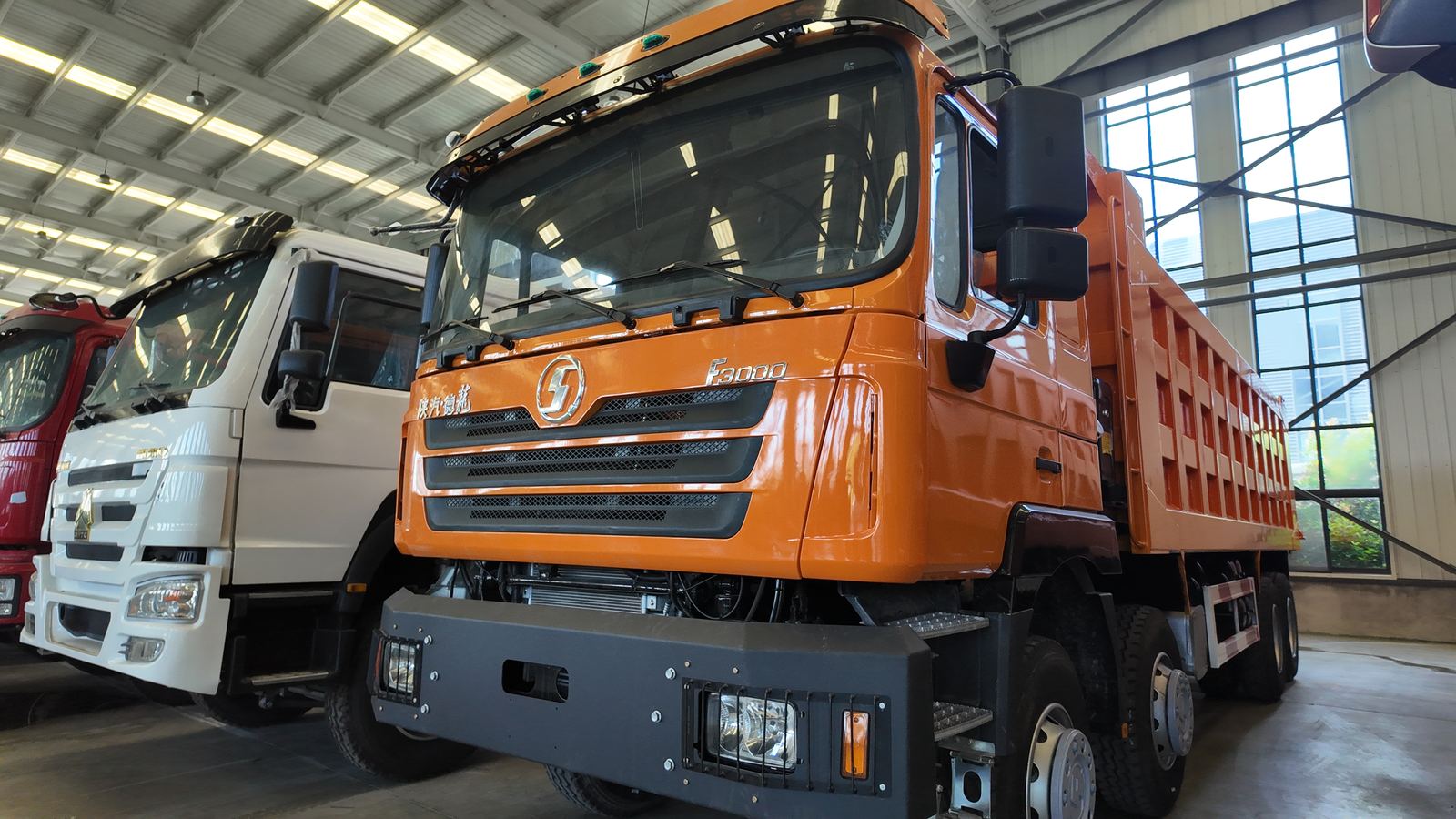
Burkina Faso sits at the center of the Alliance of Sahel States: landlocked, francophone, and supplied almost entirely through coastal transit corridors. We covered the port-choice question in Tema vs Lome; this guide is the destination view - the duty stack Ouagadougou customs apply, the vehicle rules, the corridor risk picture and the AES paperwork changes now in motion. Demand context first: Chinese brands dominate the country new-truck market, with HOWO models holding most of it according to manufacturer dealer listings (reported), supported by long-established distributor networks in Ouagadougou and Bobo-Dioulasso - and the same fleets buying new trucks for gold-mine haulage are the natural market for quality used dump trucks and tractors priced off our FOB benchmarks.
The duty stack and vehicle rules
Import rules follow the ECOWAS common external tariff. Dealer-side import guides put the landed cost stack at roughly 20 percent customs duty, a 1 percent statistical fee, a 1.5 percent ECOWAS community levy and 18 percent VAT - about 35 to 45 percent of CIF in total (reported; confirm the current HS line with your broker before quoting). Vehicles over 15 years old face additional inspection and age-based environmental levies rather than a flat ban (reported), and left-hand drive is mandatory - right-hand drive units are refused at customs. Documentation follows the regional playbook we set out in the Ghana entry guide: original bill of lading, commercial invoice, title and registration from origin, certificate of conformity and a pre-shipment inspection certificate (COTECNA or BSC-side, reported), plus the importer IFU tax number. Get the pre-shipment inspection done before the vessel sails - it cannot be done retroactively, and our inspection checklist covers what a clean report looks like.
Three corridors, one risk picture
Lome is the default door: about 980 km to Ouagadougou on paved road, 36 to 48 hours of driving with 4 to 6 days realistic for border and inspection steps (reported). The port handled over 30 million tonnes in 2024 with roughly 92 percent of its transit volume heading to AES states (reported), and its bonded TRIE/T1 transit regime - zero duty and VAT while the truck moves under bond with a bonded-carrier guarantee - is the one described in the port comparison above. Abidjan is the second door at about 1,120 km, stronger for heavy cargo handling but slower in the June-September rainy season. Tema is the newest option: about 1,050 km via Kumasi, and in August 2026 Ghana and Burkina Faso signed a bilateral agreement adding joint patrols and security escorts for fuel and grain convoys on the Tema-Ouagadougou corridor (reported). The risk picture is real, not theoretical: attacks on corridor convoys continue in northern and eastern regions, including a February 2026 incident that killed seven Ghanaian traders (reported). Buyers routing north should mandate escort requirements, insurance and timing windows in the transport contract - and structure payments against delivery milestones per our payment guide rather than paying the full balance at the port.
AES paperwork is converging
The institutional layer is moving too. Customs teams from Togo, Burkina Faso, Mali and Niger met in Ouagadougou in October 2026 to advance unified rules of origin, origin certification protocols and interconnected customs IT systems for real-time transit tracking (reported), building on the ASYCUDA World corridor integration launched in March 2025. A draft additional protocol on cross-border security, mobility and trade is under consultation within the confederation (reported). None of this changes the duty stack today, but it favors sellers who keep documents perfectly aligned across two customs systems - invoice, bill of lading, transit declaration and inspection report should tell one story, the same discipline our Ghana clearance guide stresses for the coastal leg.
What to buy for this market
Fleet demand concentrates on construction and mining support: 6x4 dump trucks for site haulage, water trucks and fuel tankers for mine camps, and 6x4 tractors for the Lome-Ouagadougou general freight lane. That matches the category in our current 400hp HOWO dump truck listing and the corridor demand described in the three-corridor hub. Parts access improves every year: the Suame Magazine ecosystem in nearby Kumasi covers much of the used-truck aftermarket per our Suame parts guide, and distributor workshops in Ouagadougou and Bobo-Dioulasso handle routine service. Operating-cost math after clearance follows the same framework we published for Ghana in the TCO guide.
Practical traps: rainy-season windows (June to September) that soften demand and break unpaved feeder roads; night driving bans on northern legs; TRIE bond costs that tie up working capital until exit confirmation; and overstated age exemptions - the 15-year rule adds levies and inspection, it does not guarantee admission. Compare the coastal alternatives before you commit: Ghana vs Cote d'Ivoire sets the two doors side by side, and Mombasa vs Dar es Salaam shows how the same choice plays out on the east coast. Send us your destination, quantity and timeline - our export team replies within 24 hours with FOB pricing, shipping options and documents matched to Ouagadougou clearance.