
Ecuador Used Truck Rules 2026: New-Only Trucks and the 15-Year Machinery Window
Ecuador splits the question in three: on-road trucks must be new, used non-road machinery has a 15-year window counted from manufacture, and the China-Ecuador FTA has reset the new-truck math since May 2024. Rules, licences, INEN conformity and clearance, checked against the resolution text.
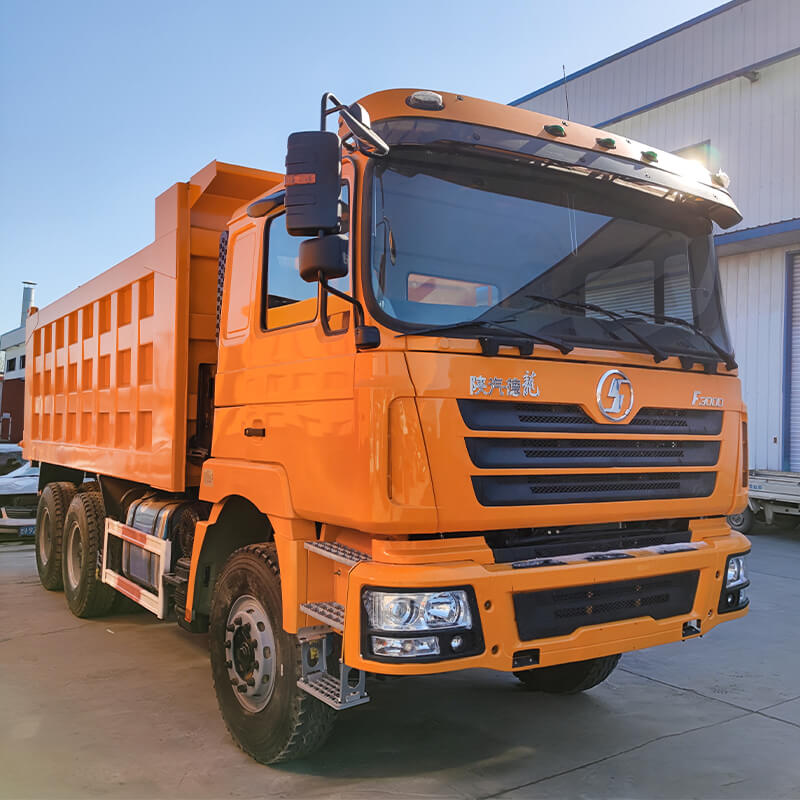
Our South American series has covered Peru's model-year window and the Chilean new-only rule. Ecuador lands between the two, and the detail most export pages get wrong is treating it as one rule - it is three, set for different kinds of equipment, and mixing them up is how units get stuck at Guayaquil.
The three-way split
COMEX Resolution 009-2022 prohibits used vehicles outright, alongside used spare parts, used tyres and used clothing. A clearance-focused review verified against the resolution text in October 2026 explains how the current framework then splits the question in three: Article 1 admits vehicles of Chapter 87 - on-road trucks and road tractors - only if new; Article 3 allows used road and agricultural machinery up to 15 years old, counted from manufacture; Article 6 treats used special vehicles that cannot circulate on public roads as machinery. A "five-year rule" still circulates in freight blogs with no basis in the resolution text - treat it as noise, the same way we handled the conflicting five-year claim in Algeria's rules.
Licences and conformity
Units at 3.5 tonnes GVW or more in listed subheadings - road tractors, dumpers, mobile cranes - need a pre-shipment licence from the transport ministry (MTOP, now MIT) under Resolution 009-2022 Annex I. The licence is requested before shipment and cannot be fixed afterwards, so the licence number, the broker's subheading and the invoice description must match exactly; a mismatch is the classic cause of containers held at the terminal while storage days accumulate. Imports also pass INEN conformity covering brakes, lighting, dimensions and side guards, with emissions around Euro 4-equivalent limits for diesel (reported). Clearance runs through ECUAPASS, SENAE's electronic single window, and commercial declarations must be filed by a licensed customs agent.
What the China FTA changed
The China-Ecuador free trade agreement took effect on 1 May 2024, covering roughly 90 percent of tariff lines with about 60 percent cut to zero on day one, and Ecuadorian duties on Chinese vehicles - currently 5 to 40 percent - phase down to zero. The first certificate in Shandong went to SINOTRUK, the maker behind HOWO: a batch of cargo trucks saw duty cut from 5 percent to zero, saving the importer about 301,900 yuan, and the company planned more than 2,200 dump trucks worth 4.8 billion yuan for Ecuador in 2024 (Jinan Daily, official media). Demand sits on farming and mining: Ecuador is the world's largest shrimp and banana exporter by value, and mining exports reached about 3.1 billion US dollars in 2024 (MOFCOM country guide). With new units gaining a tariff edge and used machinery capped at 15 years, the second-hand discount narrows - which is why our price baseline keeps both columns side by side.
Shipping and clearance reality
There is no direct RoRo call from major exporter ports, so trucks move in containers or on flat racks to Guayaquil; US-origin cargo rides 7-day Miami and 22-day Houston sailings (reported), while Chinese units take longer transshipment-heavy routings. Plan the box before buying: what gets disassembled, what shares a container and how pieces are lashed decides the final freight number more than the port pair does. Keep the licence-matching rules above in the file from day one - storage risk is a paperwork problem before it is a schedule problem.
Buyers shortlisting units should still run the inspection checklist, agree payment milestones and write warranty clauses before deposit, then compare regimes through our import rules collection and the Gulf three-market comparison.