
Algeria Used Truck Import Rules 2026: The Heavy Truck Ban and the Legal Routes
Algeria's ban on used trucks over 3.5 tonnes is still in force - the 3-year liberalisation only covers private individuals' cars and light CVs. What the law allows in 2026, what a new truck actually costs to import, and the routes buyers use instead.
Our North African series has covered Morocco's five-year homologation regime and Tunisia's licence-and-type-approval wall. Algeria, the largest of the three economies, is also the strictest on used equipment - and the detail most often missed by buyers quoting "three years" from passenger-car news is that the used window barely touches heavy trucks at all. Here is the 2026 position, based on an October review of customs guidance across European and Chinese export sources.
The heavy truck ban is still in force
Used trucks above 3.5 tonnes, tractor units and trailers cannot be imported into Algeria. The prohibition dates from 2005-2007 and, according to a German export-industry review citing GTAI (Germany Trade and Invest), remains the governing position: none of the liberalisation waves since 2020 touched heavy vehicles, and a diesel used truck will simply not clear customs. A single-source claim that the threshold is really "five years" circulates in freight blogs, conflicts with the clearance guides and should be treated as noise until Algeria's customs portal confirms it. Buyers should treat any agent promising a workaround with equal suspicion - misdeclared units face seizure and fines, the same outcome we documented in the Vietnamese import ban and in enforcement cases elsewhere.
The narrow used window that does exist
The liberalisations Algeria has made apply to private individuals. A resident may import one used vehicle every three years, paid for in foreign currency through Algerian banks, and the vehicle must be under three years old at entry. Eligible categories are passenger cars up to nine seats and light commercial vehicles under 3.5 tonnes payload - and used diesel passenger cars are prohibited, so the window is effectively petrol, hybrid or electric. Every unit needs a Certificate of Conformity, an ECTN, French or Arabic labelling and a bank domiciliation opened before shipment. VAT is 19 percent on passenger cars but 7 percent on commercial vehicles, with a further tax assessed on fiscal power.
What heavy truck demand actually buys
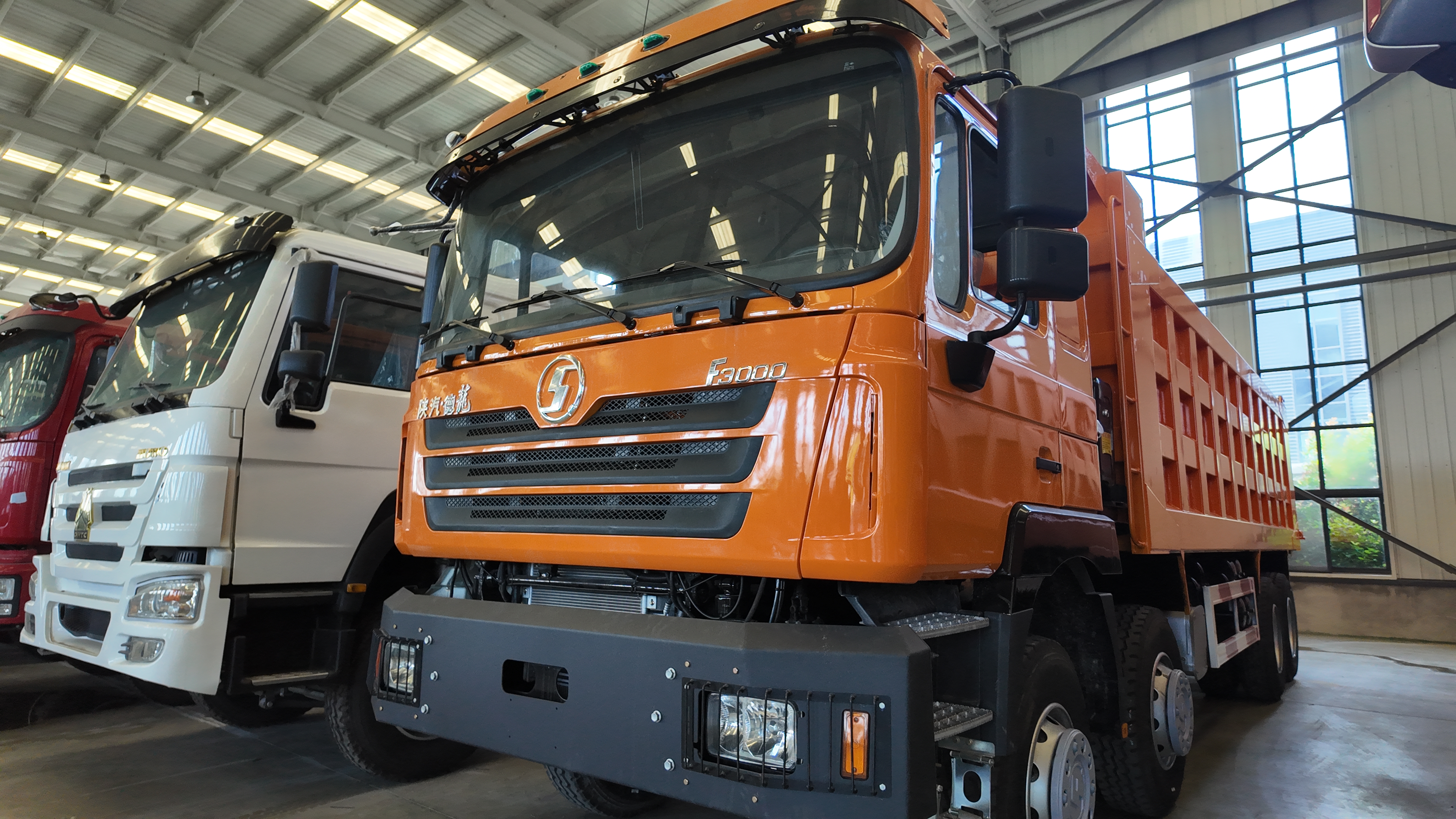
Algeria's truck demand has not gone away - it moved to new vehicles. Dealer-side market reports (reported) put 2025 vehicle imports near 96,000 units, Chinese brands at roughly 40 percent of the heavy segment and China-to-Algeria commercial vehicle exports around 18,000 units in 2025, with SINOTRUK running a knock-down assembly plant in-country - figures from promotional sources, but consistent with the direction of our export data coverage and our SINOTRUK brand profile. The legal new-truck route runs through licensed dealers importing directly from manufacturers, with trucks delivered under 1,500 km, Euro 5 emission evidence and the 7 percent commercial VAT rate. Duty levels vary by category: clearance guides work with roughly 15-30 percent plus VAT, one dealer guide claims punitive 100 percent rates above 2.5 litres (single source, disputed), and a Chinese tanker example lands near 39 percent all-in - so confirm the exact HS line with a broker before quoting. For project fleets, temporary admission against a deposit covering the tax bill, valid six months and extendable once, is the established route for plant that will eventually leave the country.
The buyer playbook
First, confirm current status in writing with the Algerian customs portal or a licensed broker - this market flipped between a full moratorium (2016-2022) and a managed reopening, and the rules have moved more than once. Second, for a new unit, verify the dealer licence, the factory-direct invoice and the COC before paying anything, using our payment safety checklist. Third, benchmark the new-truck quote against our FOB price benchmarks - the premium over the used price you would pay elsewhere is the true cost of the ban. Fourth, get warranty and parts commitments in writing per our warranty guide. And if your route is flexible, our age-limit hub and global traffic-light hub show the neighbouring markets where used heavy trucks remain welcome.