
Ghana Used Truck Landed Cost Guide 2026: Tema Duties, Levies and Overage Penalty
What does it really cost to clear a used Chinese truck at Tema? The ECOWAS CET duty at 10 percent for trucks, nine stacked levies with VAT on tax, truck-friendly overage penalties of 5-30 percent of CIF, and the ICUMS valuation system that ignores your invoice. Full 2026 breakdown.
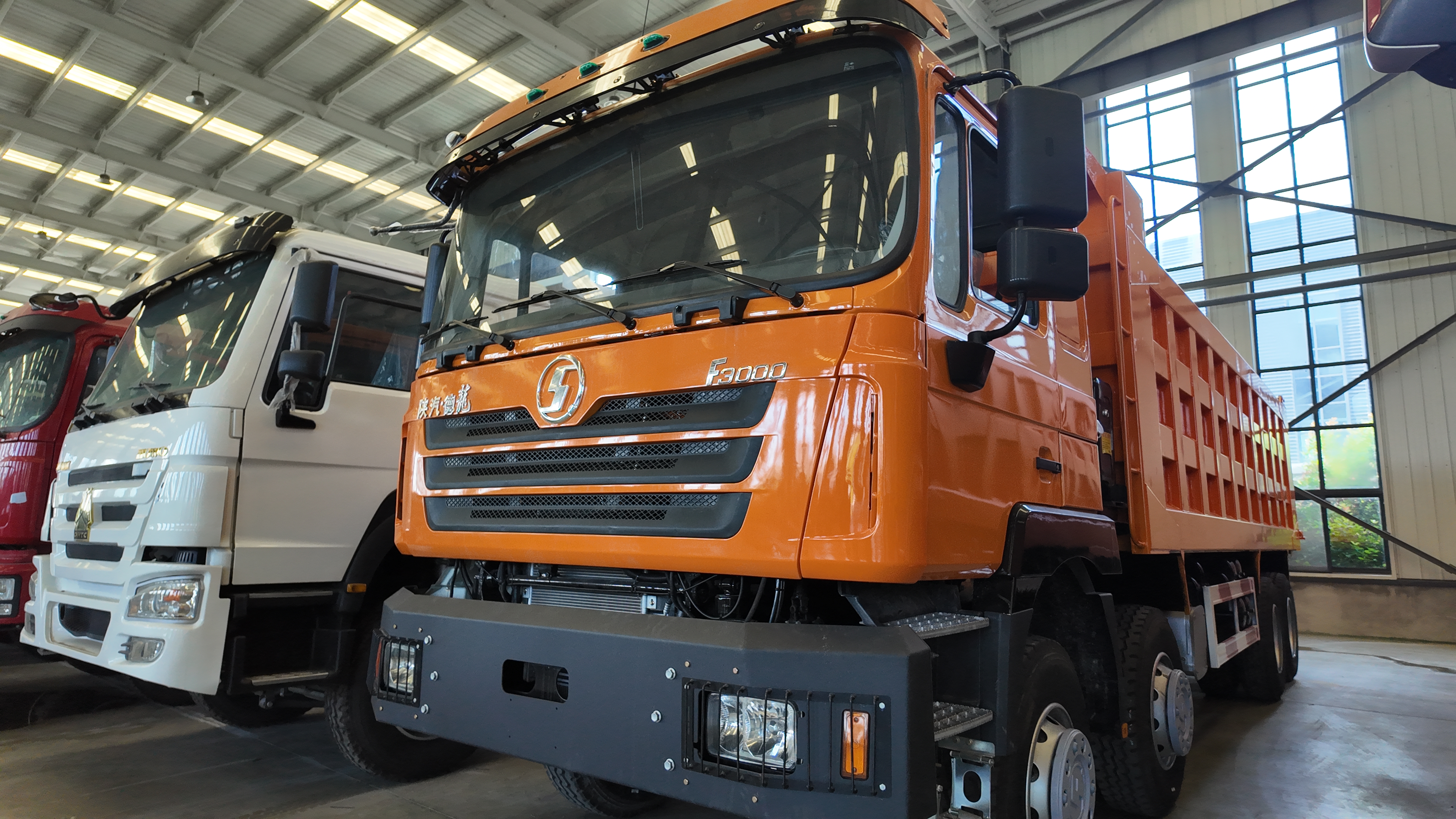
Ghana imports more than 100,000 used vehicles a year, and Tema port handles about 85 percent of them. Our rules guide covered EASYPASS and the GS 4510 framework, and our GS 4510 first-week checklist covered the enforcement mechanics. This third piece answers the money question: what does a used truck actually pay at Tema in 2026? The answer is a stack, not a single rate - and two details in it are unusually kind to truck buyers.
Duty bands under the ECOWAS CET
Ghana applies the ECOWAS Common External Tariff, so the base import duty depends on vehicle type rather than on engine size for commercial categories. Trucks, lorries and tippers pay 10 percent of CIF value; pick-ups and buses or vans pay 5 percent. Compare that with passenger cars, which step from 5 to 20 percent by engine size, and the commercial-vehicle advantage is obvious. Pure electric vehicles for public transport or assembly programmes can qualify for an 8-year duty waiver - relevant if you are weighing the electric units covered in our NEV buyer guide against diesel stock.
The levy stack: nine charges and tax on tax
Duty is only the first layer. The GRA assesses a stack of smaller charges in a fixed order, and three of them compound on the duty-inclusive value: NHIL at 2.5 percent and GETFund at 2.5 percent, both on CIF plus duty, and then VAT at 15 percent on CIF plus duty plus NHIL plus GETFund. Around that sit an examination fee of 1 percent for used vehicles, a processing fee of 1 percent, the EXIM levy at 0.75 percent, the ECOWAS levy at 0.5 percent, the AU levy at 0.2 percent, and a special import levy of about 2 percent reported on home-used cars (single source). Because VAT sits on top of the other charges, the effective total is much more than the percentages suggest. Budget guides put the all-in figure at roughly 30 to 50 percent of CIF for vehicles aged 10 years or newer - before shipping-line demurrage and your clearing agent fee.
Overage penalty: kinder to trucks than to cars
This is the detail most buyers miss. Ghana charges an overage penalty on vehicles older than 10 years, and the bands differ sharply by category. For cars, SUVs and motorcycles the penalty jumps to 50 percent of CIF beyond 15 years, 70 percent beyond 25 and 100 percent beyond 35. For trucks and lorries - Category C - the schedule is far gentler: no penalty up to 10 years, 5 percent of CIF from 10 to 12 years, 10 percent from 12 to 22 years, and 30 percent beyond 22 years. A 2013 tipper therefore pays a 10 percent penalty, not the 50 percent a 2013 sedan would owe. The practical planning line: units 10 years or younger enter the green zone with zero age penalty, and the hard prohibition under GS 4510 now starts at 15 years counted from the manufacture date on the chassis plate - final rule effective for shipments on or after October 1, 2026, revised from the earlier 10-year draft that some websites still quote. Check every candidate against our age-limit table before you commit a deposit.
ICUMS valuation: your invoice is not the base
The biggest surprise at Tema is not a levy - it is the valuation. Since 2026, customs assessment runs through ICUMS (locally Uni-Pass) as a fully algorithmic process: the system starts from the VIN, pulls technical specifications automatically, and values the vehicle against the HDV (Home Delivery Value) database of benchmark market prices depreciated by age. If the database value is higher than your declared CIF, customs uses theirs. A bargain auction invoice does not lower your duty base, and under-declaring engine capacity or model year is no longer possible. Bills are generated electronically and paid through authorized banks, and the GRA publishes a weekly cedi exchange rate - duties are pegged in dollars but paid in cedis, so rate movement between contract and clearance is a real cost line. Use the official GRA duty calculator at gra.gov.gh with the VIN before you buy; Ghana is one of the few West African markets where you can pre-compute the bill with public tools.
Port, steering and condition rules
Ghana drives on the right and registers left-hand-drive vehicles only, which matches Chinese stock natively; see our LHD market map. Right-hand-drive units cannot be registered, and GS 4510 goes further by excluding vehicles originally manufactured as right-hand drive even after conversion. Banned conditions include flood, fire and structural damage, rebuilds from spare parts, and vehicles without a km/h speedometer. Every used vehicle needs pre-shipment inspection by a GSA-approved body and an EASYPASS Certificate of Conformity at roughly US$300 per unit - the workflow is set out in the GS 4510 first-week checklist linked above. For electric units, keep the UN38.3 test summary and battery SDS ready for dangerous-goods handling.
Buyer checklist for Tema
Five steps. One: pre-compute the bill on the GRA calculator using the VIN, not the invoice. Two: prefer units under 10 years of manufacture age to stay in the zero-penalty zone; 10 to 12 years still clears at a mild 5 percent. Three: confirm the EASYPASS CoC before the vessel sails - it cannot be fixed at the port. Four: budget 35 to 50 percent of CIF for duty, levies and fees, plus demurrage buffer days. Five: benchmark the truck price itself against our FOB price table, stage payments by milestones as our payment guide sets out, plan the ocean leg with our Q4 booking window, and line up parts coverage through the West African networks in our parts guide. Size the demand with the latest Africa data and keep the 2026 access hub open while you compare markets. Ghana rewards preparation - the duty is knowable to the cedi before you wire a dollar.