
Zimbabwe Mining Haulage 2026: Lithium Surge, Great Dyke Platinum and Corridor Loads
Zimbabwe projects 11 billion dollars of mineral exports in 2026 and lithium revenue already tripled this year. Who hauls what along the Great Dyke, the lithium belts and the Beitbridge-Beira corridors, and which trucks the work needs.
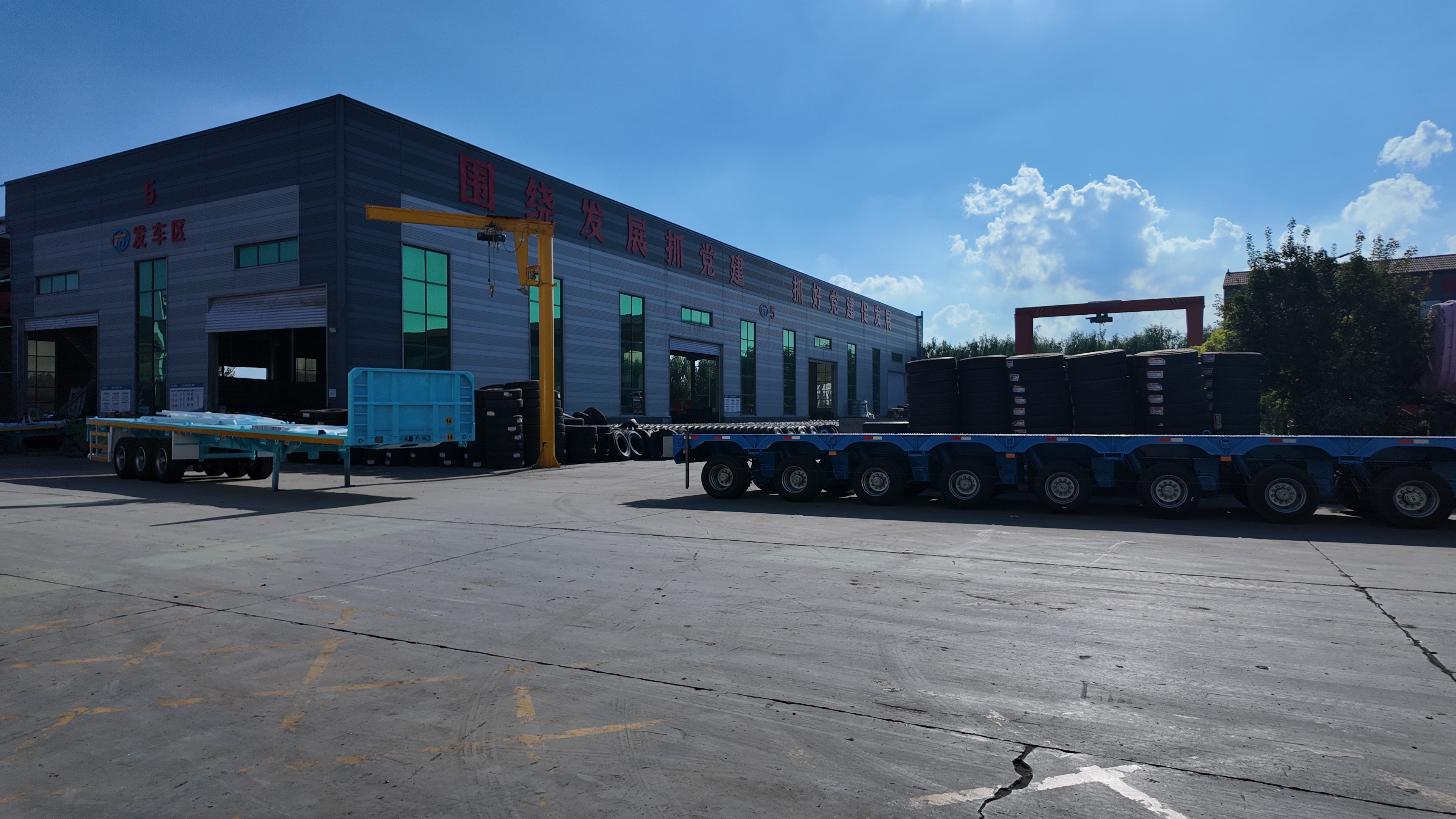
Our Zimbabwe import guide covered the rulebook: Statutory Instrument 59 of 2026 widening the ten-year used vehicle ban beyond passenger cars, the ZIMRA duty stack and the Beira route. This piece is the demand side - which projects generate the loads in 2026 and which corridors carry them. One framing note first: Zimbabwe drives on the left, and the domestic fleet culture is right-hand-drive, yet Chinese-brand left-hand-drive units from Shacman, Howo, Foton and Dongfeng already work in the country's mining, construction and long-haul fleets. Confirm steering-side registration requirements with ZIMRA and the Vehicle Inspection Department before you order rather than after the truck lands.
The 2026 outlook: 11 billion dollars and a lithium engine
The Chamber of Mines of Zimbabwe projects mineral exports rising from 8.5 billion dollars in 2025 to about 11 billion in 2026 on roughly 10 percent average sector growth (The Herald, carried by the commercial section of the embassy, official). The growth rates behind that headline are a truck demand map in themselves: lithium up 112 percent, chrome up 64 percent, diamonds up 29 percent, coal up 21 percent, gold up 12 percent and platinum-group metals up 9 percent (chamber forecasts). Mining already carries 81 percent of Zimbabwe's export earnings and about 17.4 percent of GDP, and the chamber expects the sector to absorb more than 10 billion dollars of investment over five years. Mine build-outs start with road works, earthmoving and plant construction - the same entry work for a used fleet that our Ghana mining haulage map described on the west coast.
Lithium: the fastest leg, with a January 2027 deadline
Zimbabwe is Africa's largest lithium producer and the money moved fast this year. Finance Minister Mthuli Ncube's mid-year budget review put first-half 2026 lithium export revenue at 782 million dollars against 237 million a year earlier (official). The Minerals Marketing Corporation of Zimbabwe then reported about 2.16 billion dollars of lithium sales for January-September - 45.6 percent of the country's 4.74 billion dollars of mineral exports in the period - with spodumene concentrate realising roughly 1,483 dollars a tonne against 387 a year before (MMCZ data via trade press, reported). Three policy facts shape the truck demand: concentrate exports were suspended in February, replaced by a quota and compliance system in April, and a full concentrate export ban starts in January 2027. Bikita Minerals is building a 400-million-dollar, 100,000-tonne-a-year sulphate plant now expected around July 2027 (company statements via local media, reported). The construction-cycle loads are already visible around Bikita, Arcadia and Sandawana: aggregate tippers, equipment flatbeds, fuel and water bowsers - the build-ahead pattern our Mozambique demand map tracked at Moatize and Afungi.
Where the loads are: Great Dyke, gold belt and coal
The Great Dyke remains the heavy-freight spine: platinum-group metals plus the chrome segment the chamber expects to grow 64 percent this year. Operations along the dyke and in the Midlands buy side-tipper combinations for ore and lime, water trucks for dust control and tractors for concentrate movements toward Harare and the borders. Gold anchors the export ledger at 3.2 billion dollars in the first half of 2026, about 55.8 percent of mineral export earnings, and deliveries to Fidelity Gold Refinery reached 35.9 tonnes in January-September against a Treasury projection of 55.6 tonnes, with small-scale miners supplying 72.1 percent of September deliveries (Fidelity data via trade press, reported). The small-scale and custom-milling clusters around Kwekwe, Kadoma and Shurugwi buy shorter 6x4 tippers and bowsers rather than mine-scale 8x4s, and coal adds a northwestern leg around Hwange where the chamber expects 21 percent growth.
Corridors: price the border queue, not just the port
Zimbabwe is landlocked, so corridor choice is landed-cost choice. The North-South route through Beitbridge runs roughly 880-920 kilometres from Beitbridge to Chirundu via Harare, and Beitbridge stays the region's busiest commercial border: truck queues run 6-12 hours off-peak and 24-72 hours at month-end (operator guides, reported). The Beira route is the shortest sea access at roughly 570-600 kilometres from Harare through Forbes and Machipanda - the same gateway our Mozambique demand map details - while Chirundu operates as a one-stop border post feeding the Zambia copperbelt trade to the north. Fleet economics differ accordingly: month-end Beitbridge windows belong in the quote, Beira-bound units need axle-load discipline on the flood-prone EN6 sections, and the gateway trade-off is laid out in our Durban, Beira and Walvis Bay comparison together with the corridor routing framework. Buyers weighing the eastern seaboard against the central corridor can pair this with our Tanzania mining comparison.
What buyers should do with this
Sequence the paperwork first: the SI 59 ten-year limit decides which units clear ZIMRA, so verify build year and the full duty stack in our Zimbabwe import guide before you commit to any unit. Price freight separately - our container freight update tracks the December surcharge cycle that touches Beira and Durban bookings. Stage after-sales coverage and spare parts before deployment, keep quotations in dollars with 14-day validity and budget duty, insurance and fuel separately in local currency. Spec starts with a 371-horsepower 6x4 dump truck for mine and construction haulage (unit in stock) and a 450-horsepower F3000 tractor for corridor line-haul (current listing). Verify by video, confirm the paperwork, then quote the border - not just the port.