
Mali Mining Haulage 2026: Fekola, Loulo-Gounkoto and Corridor Risk
Mali industrial gold output rose about 30 percent in the first half of 2026 while Barrick and B2Gold expand the Kayes belt. Who actually buys used trucks there - dump, water and fuel units - and how to price the Dakar-Bamako corridor risk.
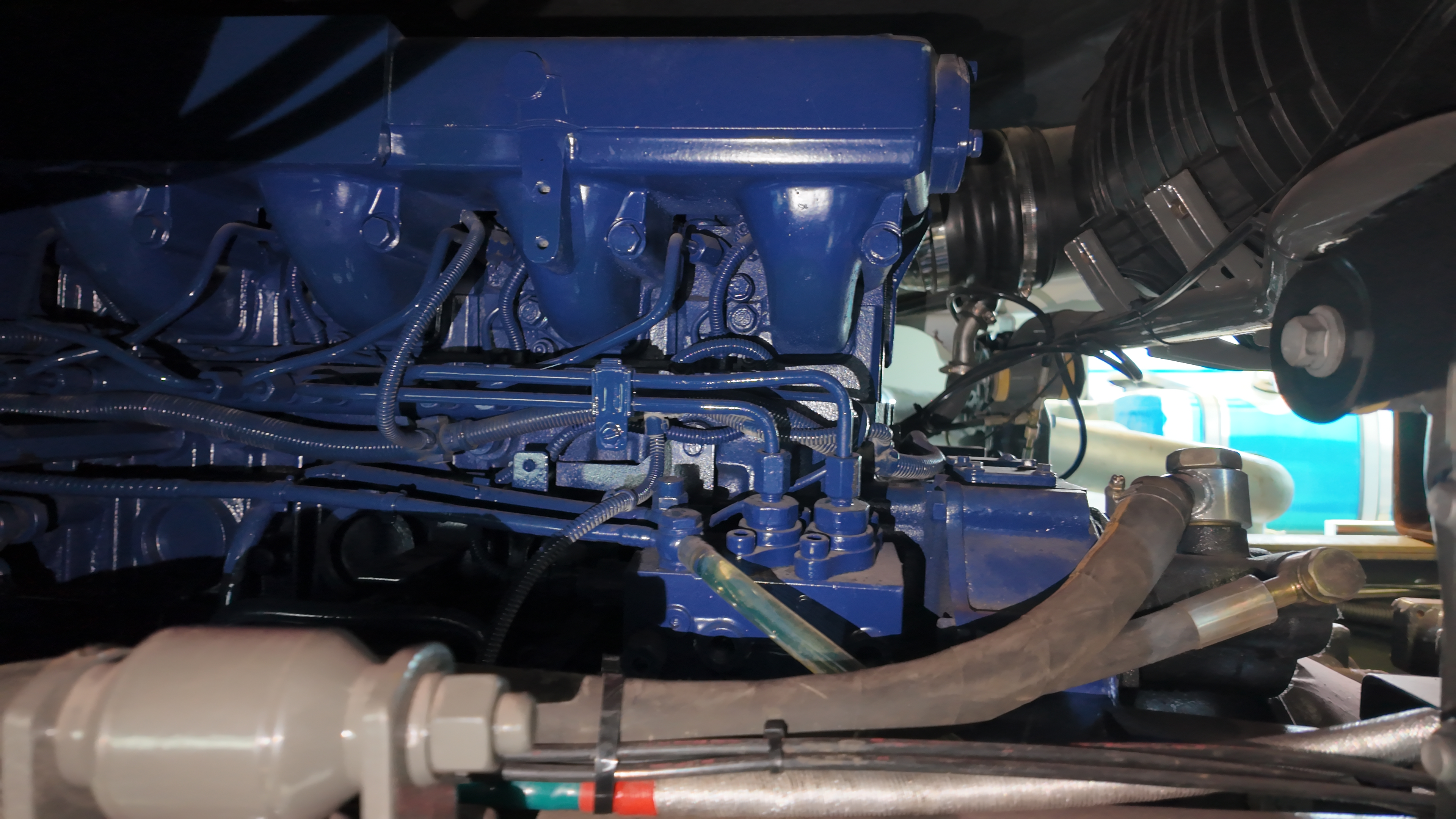
Mali is having a strong mining year. Industrial gold production rose by around 30 percent to roughly 23.5 tonnes in the first half of 2026, beating the government forecast despite fuel shortages and corridor insecurity (ministry data reported by Reuters). Our Mali import guide already covers the rules - the UEMOA duty stack, the Dakar-versus-Abidjan port question and the paperwork a clearing agent will demand. This companion piece looks at the demand side instead: who actually hauls what around the Kayes gold belt in 2026, and how buyers should price the corridor risk that comes with it.
The two anchors: Fekola and Loulo-Gounkoto
The Kayes region in western Mali sits on the Senegal-Mali shear zone and produces roughly 80 percent of the national gold output (reported). Both anchor complexes are expanding again. At Fekola, B2Gold delivered 8.85 tonnes in the first half of 2026, but third-quarter output fell 47 percent to 78,119 ounces as the pit enters a heavy waste-stripping phase (company Q3 report). The Menankoto satellite received its exploitation permit in August 2026, with B2Gold accepting the new 35 percent state stake; pre-stripping started in October and first satellite ore is expected in early 2027, while the wider Fekola Regional project is guided to add more than 150,000 ounces a year from 2028. At Loulo-Gounkoto, Barrick settled last year dispute in November 2025 with a payment of about 430 million US dollars and a ten-year extension of the Loulo permit. The complex is ramping ahead of plan: Barrick 80 percent share produced 102,000 ounces in Q3, up 16 percent on the quarter, and quarterly capital spending jumped from 30 to 77 million dollars - a budget line that trade analysis reads directly as more work for equipment suppliers and underground contractors.
What actually gets hauled
Strip that demand down to wheels and the list is concrete. Waste stripping at Fekola means dump trucks in continuous site cycles - the 371-horsepower Chinese tipper is the volume workhorse, and our HOWO 6x4 dump truck page shows the spec local contractors benchmark against. Reagents, drill consumables and spare parts move on flatbeds and box trucks from Bamako or straight from Dakar. Fuel is its own logistics problem (more below), so tanker fleets and water trucks for dust suppression stay in constant demand around the pits. Every mill upgrade or underground development also pulls lowbeds and tractor-trailer combinations for mobilizing plant - the corridor leg is tractor work, for which units like our Shacman F3000 450hp tractor are the common choice. The majors run new fleets; the opening for used Chinese trucks sits one layer down, with local contractors, fuel distributors, drilling support firms and the service companies that follow every mine in Kayes.
The corridor risk premium is real
Mali is landlocked and the Dakar-Bamako corridor carries around 70 percent of its imports (reported). That corridor is also where the risk lives. In September 2025 the JNIM militant network announced a fuel blockade targeting routes from Senegal, Mauritania, Cote d'Ivoire and Guinea; tankers were burned on the Bamako-Kayes road, drivers were abducted and later released, fuel prices in Bamako rose about 10 percent, and the Senegalese truckers union threatened to suspend the route (reported across regional outlets). Raids near Bafoulabe - the mining artery of Kayes - and on foreign-owned industrial sites followed. Into 2026 the pressure has not fully gone away: the Barani pilot plant of Desert Gold, a junior operating next to the majors on the shear zone, postponed its commissioning schedule in 2026 on sea-freight delays and local fuel shortages, and October 2026 commentary still flags corridor blockades as a standing threat to fuel and logistics chains. The Dakar gateway itself, its 15-year import rule and the cross-border driver situation are covered in our Senegal and Mauritania guide.
What buyers should do differently
Four adjustments. One: price the corridor, not just the truck - quotes should carry explicit terms for convoy windows, escort days and dry-season batching against the wider corridor logic in our three-corridor overview, because a cheap unit that waits two months for a safe window is not cheap. Two: buy spares before you need them; start from the after-sales checklist and the West Africa parts map, since a truck parked in Kayes waiting for a part earns nothing. Three: keep the paperwork boring - Mali has no single hard national age cap, but sources diverge and duties rise with age, so confirm per unit with your clearing agent and check our age-limit table before every order; budget local costs in CFA while freight stays in dollars, as our CFA franc piece explains. Four: reuse the demand-side method - the same mapping applied to Ghana mining haulage, Cote d'Ivoire truck demand and the neighboring AES market in our Burkina Faso guide shows how mine corridors convert into truck demand. Mali buys trucks the same way - it just makes you earn the delivery.