
Ghana Cedi 2026: What the 40.7% Rebound and 9.5% Slide Mean for Used Truck Buyers
Ghana's cedi jumped 40.7 percent in 2025, then slipped 9.5 percent by September 2026 - an orderly slide, not a repeat of 2022. What the Bank of Ghana data means for duty math, FX timing and contract pricing at Tema.
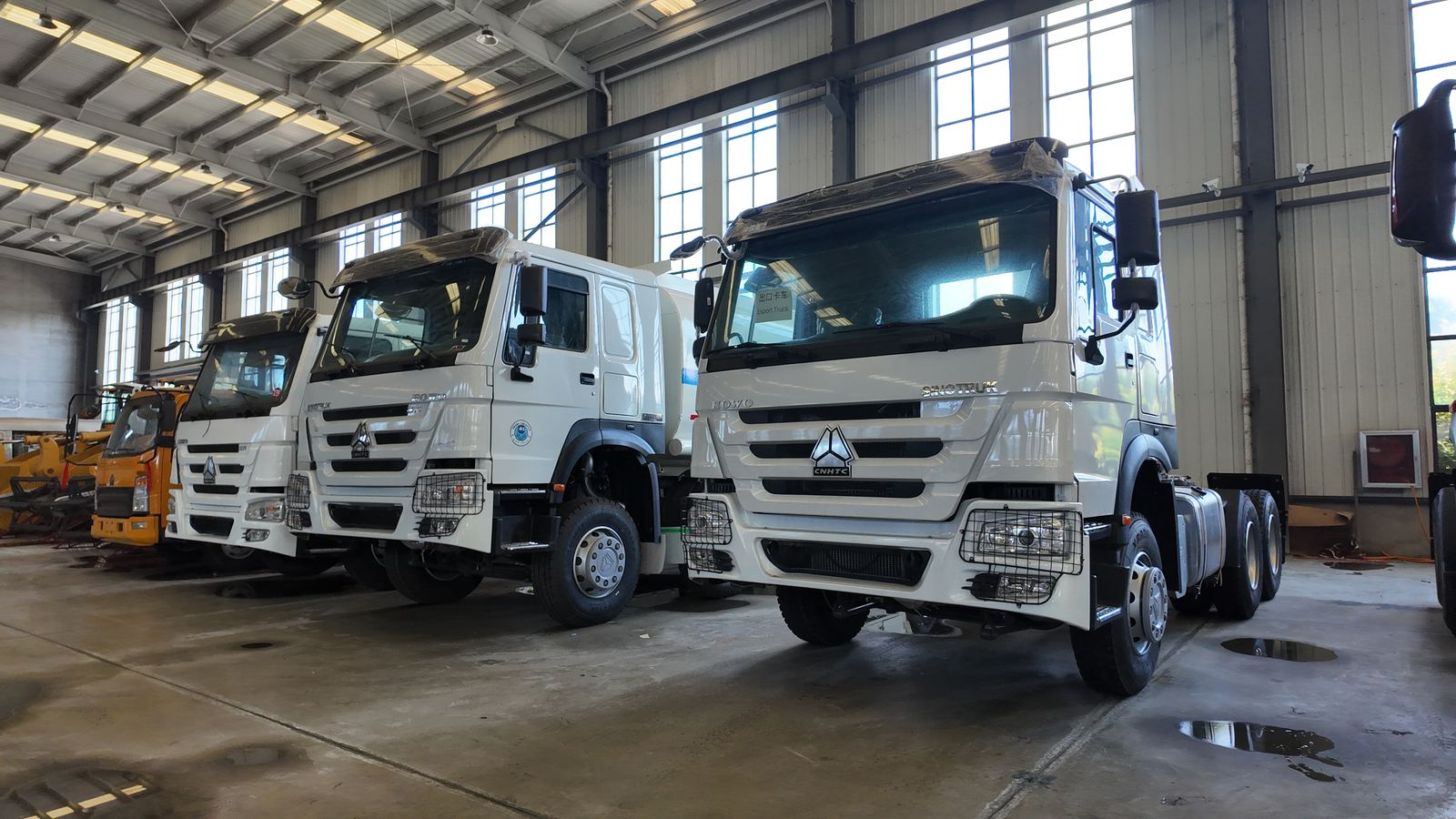
Currency is the quiet variable in every Ghana landed-cost calculation. Our Ghana landed cost guide fixes the duty percentages and our running costs breakdown fixes the cedi-side operating budget - but the exchange rate decides how many cedis each dollar line actually costs you. The 2025-2026 swing is worth studying: a 40.7 percent appreciation in 2025, followed by a 9.5 percent slide through 18 September 2026. The direction changed, the character of the market did not.
The 2025 windfall, then a managed slide
The Bank of Ghana's numbers, laid out in Governor Johnson Pandit Asiama's 6 November statement to Parliament, tell a two-phase story. In 2025 the cedi appreciated 40.7 percent against the dollar - one of the strongest currency performances in the world that year. In 2026 the pattern reversed: 4.6 percent depreciation in January, a 2.5 percent recovery in February, then pressure through the second quarter as energy import payments and dividend repatriation met a dollar strengthened by Middle East conflict and crude above $100 per barrel. June brought the first monthly gain of the year at 3.3 percent, August ended stronger still at about GH11.25 versus GH11.69 in July, and by 18 September the year-to-date slide stood at 9.5 percent. The critical detail: volatility in the first half of 2026 was lower than in the same period of each of the previous four years. This is a managed, orderly market - not 2022.
What is holding the line
Three supports matter for anyone budgeting an import. First, gold: Ghana ran a $3.7 billion trade surplus in the first two months of 2026, and the Ghana Gold Board has been selling dollars directly to banks - $197 million at GH11.70 per dollar in November, part of a plan to supply $1 billion from small-scale mining receipts. Second, reserves: gross international reserves dipped to $11.07 billion (4.2 months of cover) at end-August, then recovered to $12.05 billion (4.5 months) by 22 September, with the GANRAP programme targeting 15 months of cover by 2028. Third, the IMF anchor: the $3 billion programme completed its final review in July and a 36-month Policy Coordination Instrument took over. The policy rate sits at 14 percent with October inflation at 5.5 percent (all Bank of Ghana data, GoldBod sales reported by GBC Ghana).
What it means for the duty bill at Tema
Ghana customs assesses import duty in cedis against the CIF value converted at the prevailing official rate, so the cedi cost of clearing the same dollar-priced truck moves with the rate. The 9.5 percent slide means a cedi-side duty bill roughly a tenth higher than it would have been under the December 2025 rate - meaningful, but nothing like the currency chaos that preceded 2025. The deeper lesson sits in the two-currency structure we flagged in the Ghana versus Cote d'Ivoire comparison: the truck price, ocean freight and supplier payment are dollar lines, while duty, DVLA fees, insurance and diesel are cedi lines. A buyer who budgeted everything in one currency in January got a very different answer by September.
Four buyer actions for the current regime
One: quote validity is now an FX decision - the 14-day quote windows we recommend in the freight rate briefing apply to the cedi side of your model too. Two: convert early in depreciation phases rather than riding the rate; the GoldBod dollar auctions have been creating predictable liquidity windows worth watching. Three: put a rate clause in supply contracts instead of assuming December's rate into March. Four: track the bimonthly Bank of Ghana MPC calendar and the reserve prints - the 4.5-month recovery in September is the kind of signal that precedes stability rather than acceleration. Underlying rules have not moved: the EASYPASS CoC requirement, the GS 4510 15-year cap and the regional age-limit table all still apply, and the Tema versus Lome routing choice now has a currency dimension - Togo bills duties against the CFA, which floats against both the dollar and the cedi.
For fleets tying purchases to mine contracts, our Ghana mining haulage demand map pairs with this piece: haulage rates are quoted in cedis, trucks are bought in dollars, and the margin between the two is exactly what this article is about. Payment discipline on the China side is unchanged - the T/T and L/C fraud prevention guide covers it - and the Q4 RoRo booking window still applies to vessel space. TianCheng quotes in dollars with a stated validity window and can split the estimate into USD and cedi lines so your duty math survives the rate. Send us your corridor and timeline and we will build the two-currency version.