
Gambia and Guinea-Bissau Used Truck Guide 2026: Banjul, Dakar Transit and UEMOA
The Gambia and Guinea-Bissau are the two smallest truck markets on the West African coast, and both are easy to misjudge. Duties follow the familiar ECOWAS stack, but cargo mostly arrives through neighbours, the age rules come back with conflicting numbers from different guides, and Guinea-Bissau switched to a new VAT system in 2025. What the sources agree on, where they contradict each other, and the written confirmations to get before a truck goes on the water.
The Gambia and Guinea-Bissau are the last two coastal markets on our West Africa map without a guide of their own, and both are easy to misjudge - not because the taxes are brutal, but because the cargo rarely arrives the way buyers assume. Both sit inside the ECOWAS tariff zone, both drive on the right and therefore require left-hand-drive trucks, and both lean on bigger neighbours for logistics: Banjul feeds a Senegal re-export trade, and Bissau survives on feeder sailings and road transit through Dakar. This companion to our Senegal and Mauritania combined guide lays out both stacks side by side, flags every conflicting number, and names the written confirmations that settle them before a truck goes on the water.
The Gambia: a simple stack with noisy guides
Duty and tax collection sits with the Gambia Revenue Authority (GRA). The core is the familiar ECOWAS stack: passenger vehicles land in the 20 percent CET band while commercial trucks usually attract a lower band, value-added tax of 15 percent applies on top of the duty-inclusive value, and the 0.5 percent ECOWAS community levy rides on the CIF figure - with no engine-displacement excise of the kind East African markets add, which keeps the arithmetic simple. Around that core, one 2026 buyer guide lists smaller items other guides omit: a national health insurance levy of 1 percent, a 2 percent port surcharge and a fixed GRA registration fee in dalasi - treat those as reported figures to verify, not settled law. Pre-arrival discipline matters more: one clearance desk describes the BESC cargo tracking note filed 72 hours before arrival, with daily penalties of about GMD 12,000 (roughly USD 180) for a missed filing - single-source, confirm the current requirement in writing.
The age-rule conflict every Gambia buyer hits
Ask two guides what the age limit is and you will get two different answers. One widely circulated source states flatly that commercial vehicles over 8 years are banned from import in 2026; another, written for the same market in the same year, states that the Gambia enforces no hard, EAC-style age ceiling and simply values and assesses older units accordingly. A third and stricter claim describes a July 2026 amendment adding Euro 5/VI requirements for new vehicles and a five-year ceiling for used special-purpose bodies. We do not pick a side: the published sources contradict each other, there is no consolidated official age table an exporter can cite, and the only safe move is a written reply from a licensed clearing agent confirming the rule for your exact unit before the vessel is booked. Steering, at least, is not contested - the Gambia drives on the right and left-hand drive is required. For the regional pattern behind these divergences, our global green-yellow-red rules map shows how wildly neighbouring states diverge on the same question.
Banjul and the Senegambia re-export trade
The Port of Banjul is the only seaport in the country, operated by the Gambia Ports Authority with both RoRo and container berths; services from Asia typically transship through Las Palmas, Algeciras or Tanger Med. What makes Banjul more than a small national port is re-export: the country has long lived on distributing goods to Senegal and the sub-region, the Senegambia Bridge opened in 2019 put the Trans-Gambia corridor on tarmac, and because Banjul and Dakar share the same left-hand-drive specification one shipment can serve both markets. Facilitation is also moving in the right direction - ECOWAS held its seventh Regional Trade Facilitation Committee meeting in Banjul in June 2026, pressing members on single-window digitalization, electronic certificates of origin and fewer border checkpoints. Standard clearance is reported at 7 to 12 working days, faster when documents are clean.
Guinea-Bissau: UEMOA stack, new VAT, Dakar dependency
Guinea-Bissau runs customs through the Directorate-General of Customs on the SYDONIA system, and as a member of both ECOWAS and UEMOA its stack is the regional one: most vehicles sit in the 20 percent CET band with trucks typically 5 to 20 percent, plus a statistical fee around 1 percent, the UEMOA solidarity levy around 1 percent and the 0.5 percent ECOWAS levy - roughly 2 to 3 percent of CIF in small lines. The big change is the tax itself: Guinea-Bissau introduced IVA on 1 January 2025 to replace the old IGV sales tax, and guides now disagree on the rate - one current buyer guide quotes about 19 percent while older clearance tables still print 15 percent, so price the stack on a written broker confirmation rather than whichever table loads first. Age rules stay soft: no hard low ceiling in current buyer guides, with duty running on depreciated CIF value. Left-hand drive only, a Euro 2 emissions floor is referenced by clearance guides, and clearance goes through a registered despachante - budget that brokerage into landed cost from day one. The same UEMOA arithmetic drove our Burkina Faso guide, where the ECOWAS stack lands notably heavier.
Routing: when Bissau port works and when Dakar wins
The Port of Bissau sits on a shallow, silted, tidal estuary with limited draft and limited RoRo capacity, so most vehicles arrive either as coastal feeder cargo ex Dakar or overland through the Casamance corridor toward the Sao Domingos crossing. Transit estimates range from 26 to 40 days on one routing guide to 40 to 60 days door to door on another - the spread is the Dakar leg, so confirm the current feeder schedule before promising a date. The discipline that matters most is document alignment: because so much cargo transships through Dakar, the commercial invoice, bill of lading and export papers must match exactly, and any inconsistency invites a higher assessed CIF - the duty swing lands entirely on the buyer. Some importers deliberately clear in Dakar and truck the unit south; if you do, structure the border leg so the cargo is not taxed twice and put the whole chain in writing with your despachante. For the bigger-port picture, compare our Tema versus Lome port analysis and the Ghana rules guide before deciding whether a small-port entry actually beats a big-port-plus-transit plan.
How to choose between the two
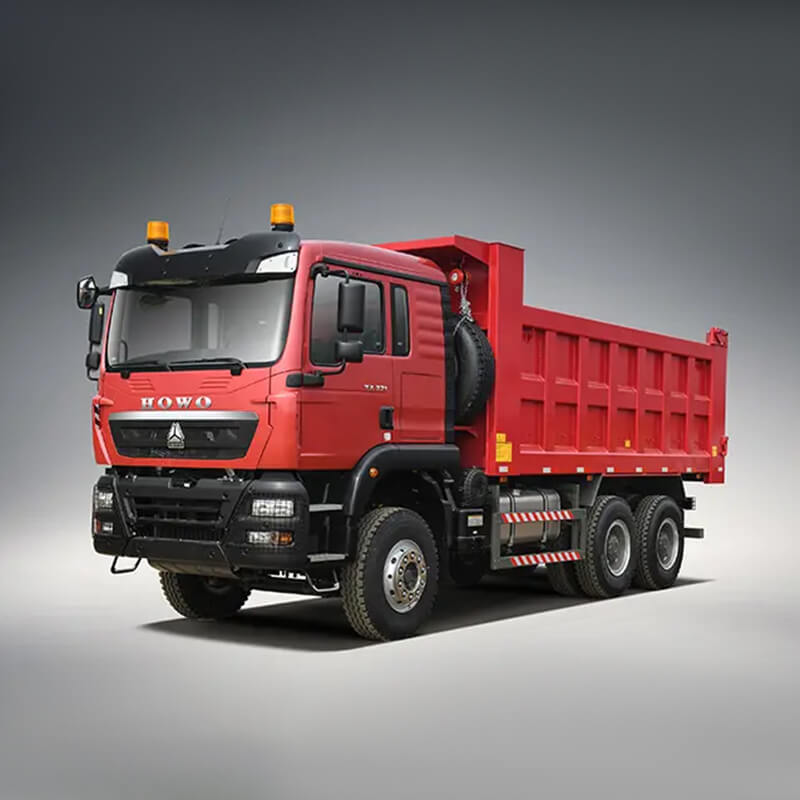
Neither market rewards improvisation; both reward paperwork. If the buyer wants a national market with its own port, English-language trade and a re-export leg to Senegal, the Gambia via Banjul is the cleaner entry. If the buyer sits inland - Bafata, Gabu - or already works with a Dakar clearing partner, Guinea-Bissau through Dakar transit may beat a direct Bissau call despite the extra leg. Either way, budget on written numbers: our payment and fraud-prevention guide covers the T/T and L/C structures that fit small-market deals, and the warranty and after-sales guide covers what to demand before paying. For stock, the units West African buyers shortlist most are the HOWO 400hp dump truck and the Shacman F3000 450hp tractor, and our landlocked corridor hub shows how both feed the Sahel trade from these coast ports.