Rwanda Used Truck Import Guide 2026: The LHD Island of East Africa and the Central Corridor
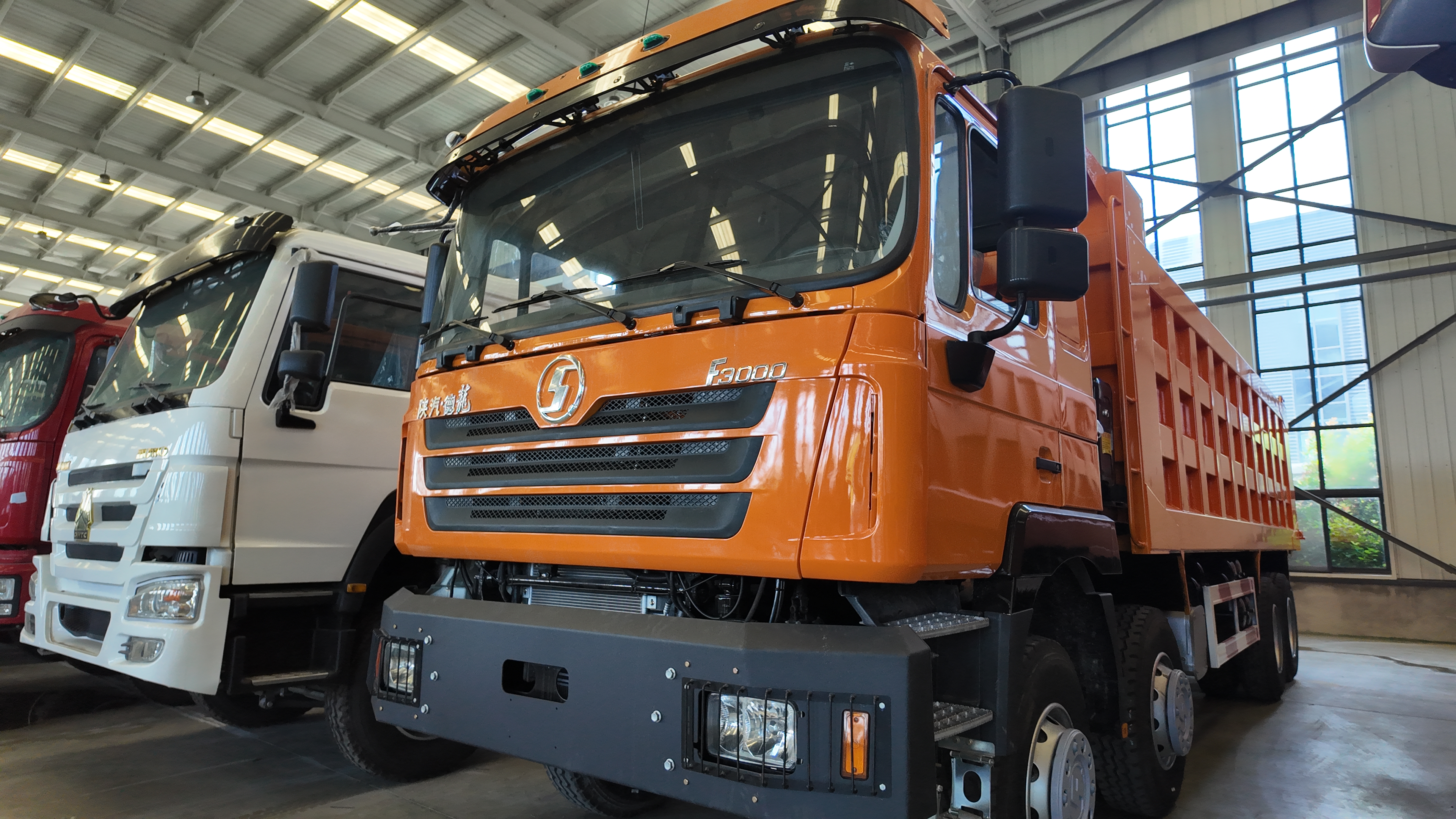
Rwanda stands out in East Africa for a reason most buyers miss at first glance: it drives on the right. While Kenya, Uganda and Tanzania all demand right-hand-drive vehicles, Rwanda is a left-hand-drive (LHD) market - which means Chinese used trucks, built LHD from the factory, enter directly with no steering conversion and no $2,500-$4,000 conversion bill. For a landlocked economy investing heavily in roads, housing and cross-border logistics, that structural fit matters. Here is how a 2026 import to Kigali actually works.
Rule One: LHD Only, Euro 4, No Salvage Rebuilds
Rwanda permits only left-hand-drive vehicles that meet Euro 4 or stricter emission standards - a rule enforced more strictly since 2025. Right-hand-drive units are not convertible into the market; they are banned outright. Four vehicle categories are additionally blocked at the border:
- Vehicles with major accident or structural damage
- Flood-damaged units
- Faulty or cosmetically refurbished vehicles hiding mechanical defects
- Assembled or modified vehicles without proper certification
This is the mirror image of the Kenyan problem described in our Kenya guide - there the issue is converting LHD to RHD, here it is simply sourcing clean, documented, LHD stock. Chinese export-ready trucks tick both boxes when they pass a proper pre-shipment inspection.
Age Limit: 10 Years From Manufacture - Verify the Cut-Off
Rwandan logistics and trade sources converge on a 10-year maximum age measured from the date of manufacture, applied uniformly to private cars and to freight and passenger commercial vehicles alike. That is more tolerant than the 8-year rule next door in Kenya and Uganda, and it keeps a large share of 2016-2021 Chinese stock eligible.
One honest caveat: a minority of sources cite an 8-year limit, and at least one claims a 5-year limit for certain categories. The consistent, locally published figure is 10 years, but age rules in the region have been tightening - so confirm the current cut-off with your clearing agent before booking vessel space. A vehicle rejected at the border cannot be cleared regardless of condition.
The Full RRA Duty Stack: Tiered, Transparent, EV-Friendly
The Rwanda Revenue Authority applies the East African Community Common External Tariff, then layers domestic taxes on top:
- Import duty: 25% CET on most vehicle categories.
- VAT: 18% on the duty-paid value.
- Withholding tax: 5% at import - creditable against corporate income tax for active importers, so it is a cash-flow item rather than a final cost.
- Excise duty: tiered by engine size and age - 5% for vehicles under 1500cc, 10% for 1500-2500cc, 15% above 2500cc. Virtually every heavy truck lands in the top band.
Add the tiers together and a diesel heavy truck typically absorbs taxes in the ballpark of 50-60% of CIF value, depending on exactly how excise is applied to the duty-paid base. Get a written computation from your clearing agent before you commit.
The standout exception: pure electric vehicles are fully exempt from import duty, VAT and excise. For exporters with compliant LHD used EV stock, Rwanda is arguably the most cost-advantaged EV destination in East Africa right now.
Clearing itself is a relative bright spot: Rwanda publishes its tariff bands, uses a digitized single-window declaration system, and the one-stop border posts at Rusumo, Gatuna and Kagitumba process cross-border formalities in hours rather than days. Buyers consistently report lower friction here than at the regions bigger ports.
Routes: Dar es Salaam Central Corridor vs Mombasa Northern Corridor
Rwanda has no coastline, so every truck ships to a neighboring port and trucks overland:
- Dar es Salaam (Central Corridor): roughly 1,400-1,500 km to Kigali via Rusumo. Sea transit from China runs about 25-35 days, overland trucking adds several days.
- Mombasa (Northern Corridor): roughly 1,700-1,900 km via Kampala and Gatuna. Sea transit is slightly shorter, but the inland leg is longer and passes an extra border.
For Kigali-bound cargo the Central Corridor from Dar es Salaam is usually the shorter combined route, and our Tanzania guide covers the Dar clearance workflow in detail. High-value or multi-unit loads can also use bonded storage at Magerwa in Kigali while clearance paperwork completes.
Landed Cost Example: HOWO 6x4 to Kigali
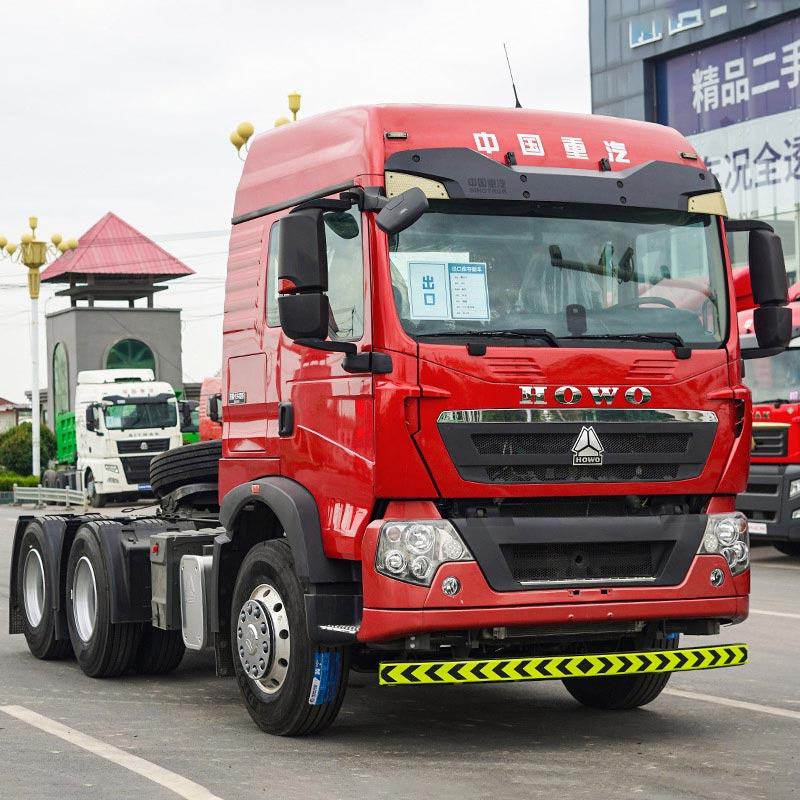
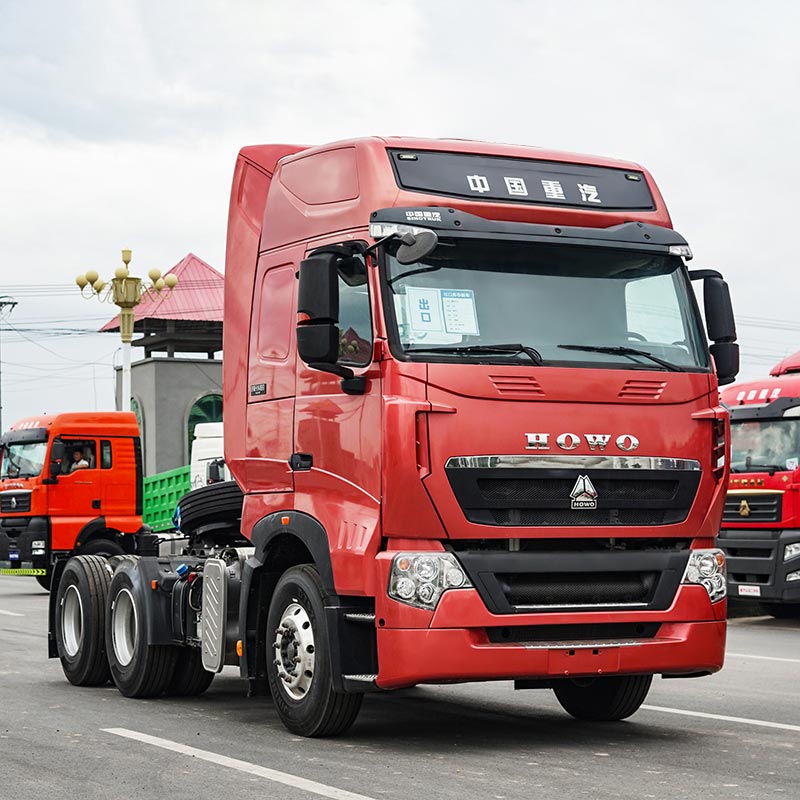
Using the FOB benchmarks from our 2026 price guide, take a 2019 HOWO 371 6x4 tractor head at about $12,000 FOB Tianjin:
- FOB China: $12,000
- Sea freight to Dar es Salaam: $2,000-$3,200 - CIF Dar roughly $14,500
- Import taxes (duty + VAT + excise + WHT, ballpark 50-60% of CIF): $7,300-$8,700
- Overland Dar to Kigali: $2,000-$2,500
- Indicative landed cost in Kigali: about $24,000-$26,000
Compare that with a comparable Japanese RHD unit - which would need a steering conversion on top of a higher purchase price - and the LHD advantage becomes concrete.
What Sells in Rwanda
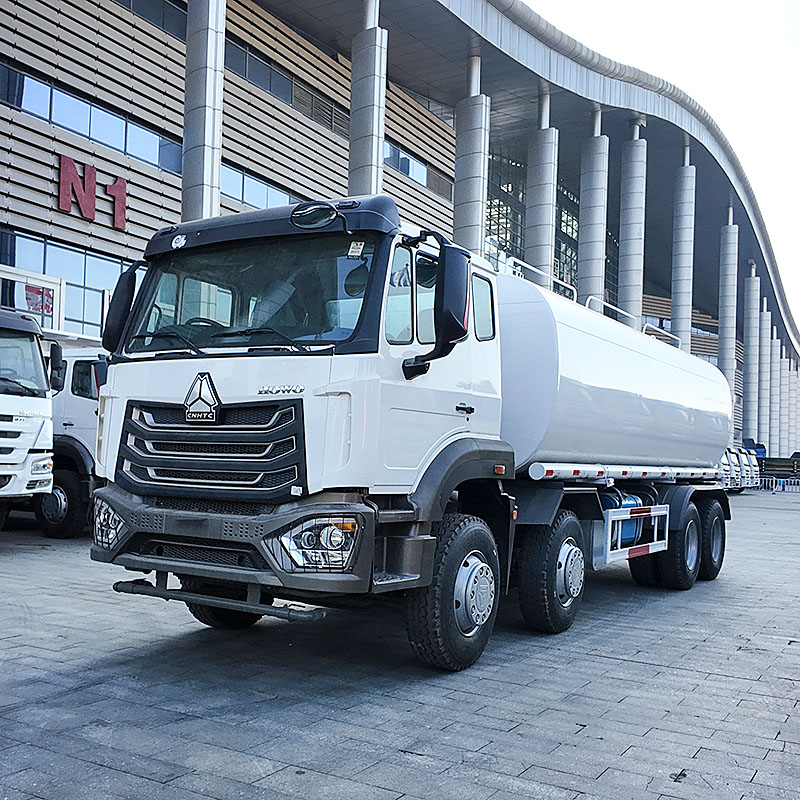
Demand concentrates in four categories: box and cargo trucks for consumer-goods distribution, concrete mixers for the Kigali construction boom, tractor heads for regional corridor haulage toward DRC and Burundi, and increasingly water trucks for infrastructure projects. Since Rwanda shares the LHD standard with Burundi and DRC, trucks cleared in Kigali can also serve those neighboring markets - a point our LHD country map covers in full.
Buyer Checklist
- Confirm the 10-year age cut-off and Euro 4 compliance in writing before purchase
- Insist on manufacture-date documentation - age is measured from manufacture, not first registration
- Get a written duty computation from a licensed Rwandan clearing agent
- Book the Central Corridor for Kigali cargo unless vessel schedules say otherwise
- Run the full pre-purchase inspection checklist - rejected-at-border units cannot be recovered
Rwanda rewards buyers who do the paperwork properly: rules are clear, taxes are published, and the LHD fit eliminates the biggest hidden cost in East African imports. Pair this guide with our Uganda and Kenya vs Tanzania comparisons to pick the right entry point for your corridor.