From Showroom to Factory Floor: China Truck Giants Build Local Channels in Southeast Asia
The One-Week Snapshot: Three Announcements, One Strategy
Between July 27 and July 31, three announcements from Chinese commercial vehicle giants sketched a clear picture of where the industry is heading:
- XCMG opened its first overseas new energy manufacturing plant in Indonesia (July 28);
- SHACMAN launched its first X-Center authorized dealership in Vietnam, combining sales, service and genuine parts under one roof (July 28);
- SINOTRUK rolled off the 10,000th CKD truck from its Malaysian assembly line, marking 15 years of local partnership (July 27).
On the surface these are routine business events. Read together, they reveal the strategy that will define the next stage of China's truck exports: moving from "shipping trucks" to "building channels".
Why Now? The Numbers Behind the Shift
China's heavy truck market climbed 23% in H1 2026 to 660,900 units, with tractor truck sales up 23% to 235,400 units. In 2025, total truck exports surpassed one million units for the first time in history. Growth at this scale inevitably attracts policy changes, tariff barriers and local competitors - which is why leading OEMs are pre-positioning production and sales networks inside their biggest markets.
Southeast Asia is the epicenter: high infrastructure spending, growing intra-regional logistics, and tariff advantages for locally assembled vehicles. A CKD plant can cut landed cost by 15-25% versus fully built imports while creating local jobs and easing regulatory approval - a win-win that no serious exporter can ignore.
Three Layers of the "Channel Strategy"
Layer 1: Local Assembly (CKD/SKD)
CKD plants like SINOTRUK's Malaysian operation reduce import duties, shorten delivery lead times, and build a local parts ecosystem. SINOTRUK is replicating the model in the Philippines, where its first locally assembled truck rolled out in late 2025.
Layer 2: Branded Sales & Service Centers
Dealerships like SHACMAN's new X-Center are engineered around the full vehicle lifecycle - sales, financing support, maintenance and genuine parts. For fleet buyers, the practical difference is simple: a brand with local service infrastructure means lower downtime and lower total cost of ownership.
Layer 3: New Energy Manufacturing
XCMG's Indonesian plant marks the first time a Chinese construction-equipment maker has produced new energy vehicles overseas. Combined with China's new energy tractor truck sales surging 97% in June, green vehicles are no longer a domestic-only story - they are the wedge product for entering new markets.
What Importers Should Do Differently in 2026-2027
1. Audit channel depth, not just price. The cheapest FOB quote means little if spare parts and service are unavailable locally. Ask every supplier for their service network, parts stock points and response times in your country.
2. Compare total cost of ownership. With diesel prices volatile, evaluate CNG/LNG and electric options against local energy prices, subsidies and driving cycles. The 97% jump in new energy tractor sales suggests the economics are already working in many corridors.
3. Check local-assembly eligibility. If your country offers tariff preferences for CKD/SKD imports, partner with exporters that can provide knocked-down kits or support local assembly - it can reshape your landed-cost advantage.
4. Demand lifecycle support in writing. Look for suppliers that commit to parts availability, technical training and warranty execution through written agreements, not promises.
From TianCheng: Exporting with Channel Discipline
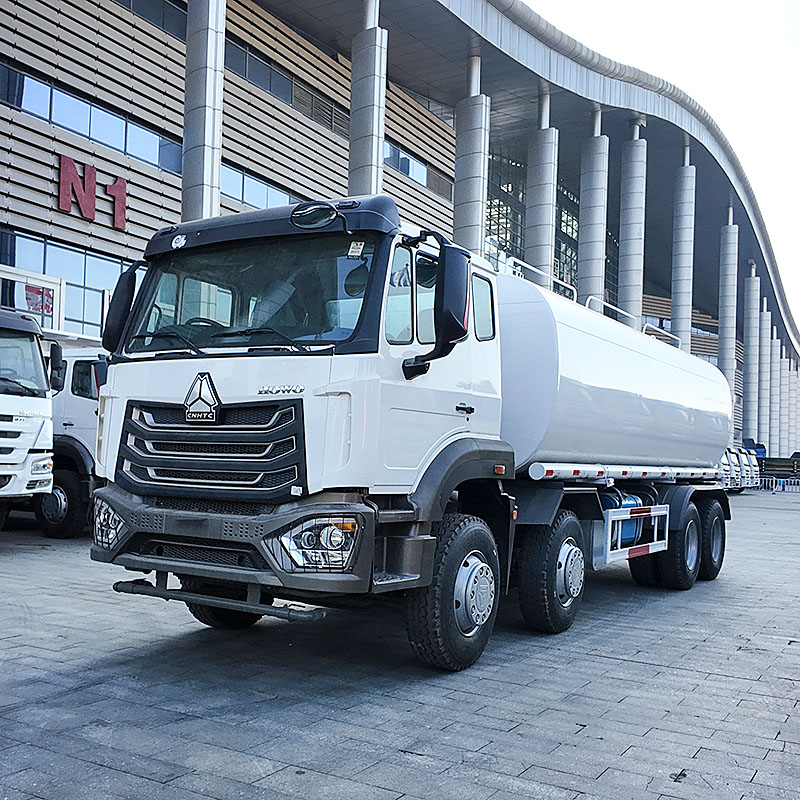
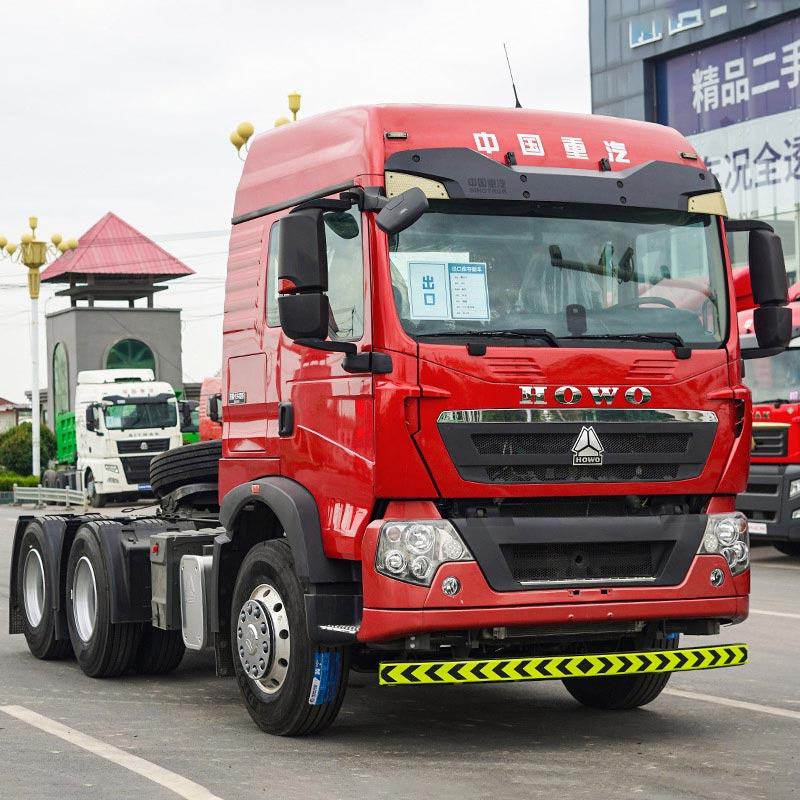
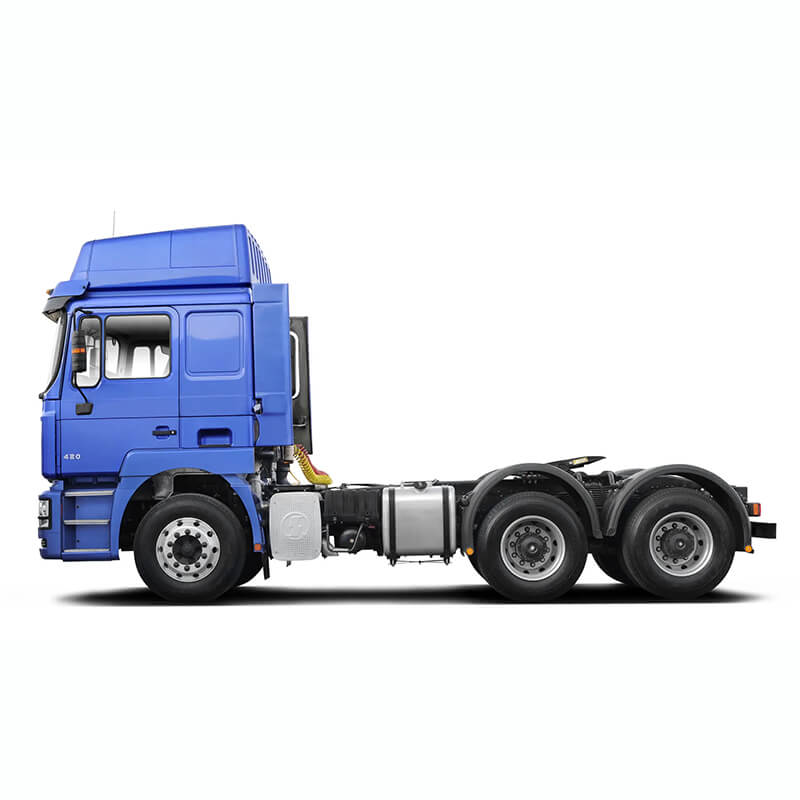
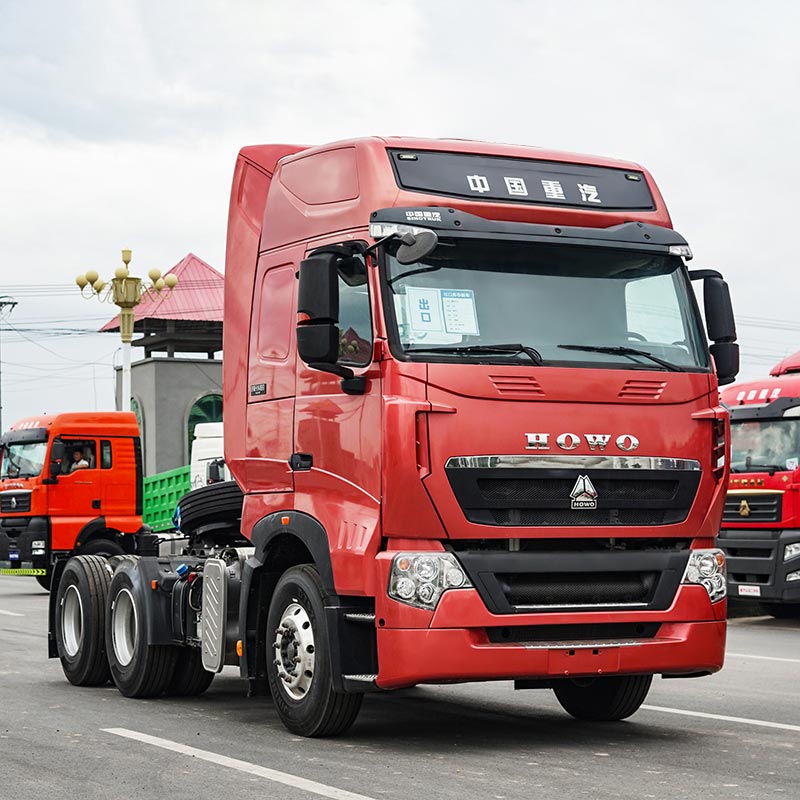
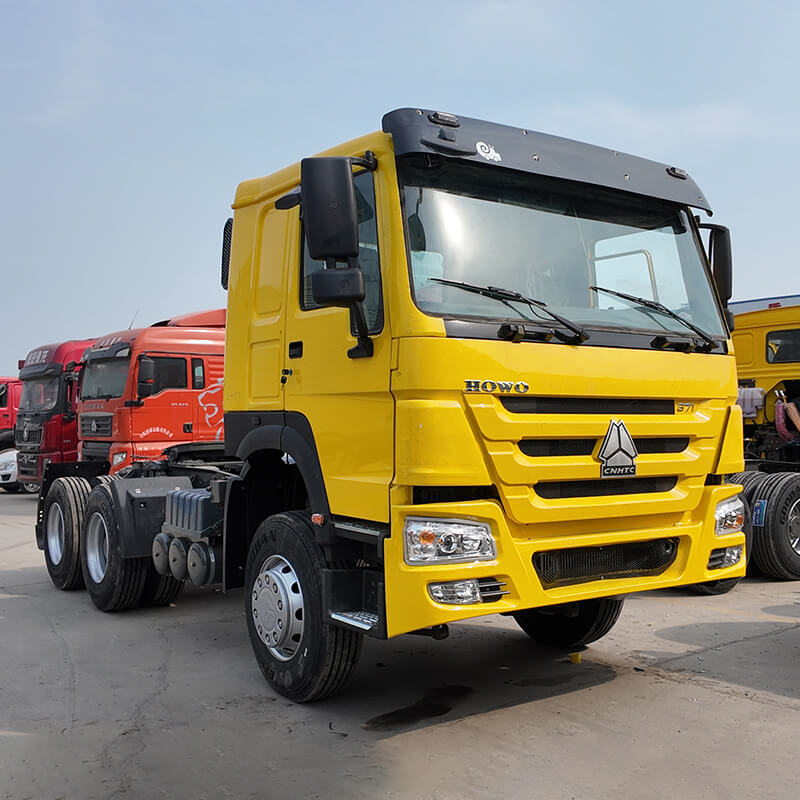
TianCheng International Trade (Liangshan) Co., Ltd. has been exporting HOWO, Shacman and Sitrak trucks to more than 100 countries from China's Liangshan truck industrial cluster. We combine factory-direct sourcing with disciplined export processes - documentation, compliance, shipping and after-sales coordination - so that every unit we ship is backed by a channel that can support it at destination.
Whether you are expanding a fleet, upgrading to gas or electric power, or evaluating CKD cooperation in your market, contact us for a structured sourcing consultation.