
Sierra Leone Mining Haulage 2026: Marampa Suspends, Tonkolili Keeps Hauling
Sierra Leone iron ore is split in two: Marampa filed a temporary suspension in October while Tonkolili rail volumes passed a million tonnes a month. Where truck demand really sits, and how buyers avoid single-client risk.
Sierra Leone is running two very different iron ore stories at the same time. President Bio State Opening figures put first-half 2026 mineral exports at 651.7 million US dollars, down 8.2 percent on the year, with iron ore at 73.3 percent of that total and a single operator accounting for roughly 65 percent of it. Gold exports jumped 410.6 percent in the same half from a small base. Our Sierra Leone and Liberia import guide covers the rules - ports, age rules and the VAT switch. This companion piece maps the demand side: two mining systems moving in opposite directions, and what that means for anyone running trucks around them.
Marampa: the reset became a suspension
Marampa Mines Limited, 90 percent owned by Gerald Group, announced a Marampa Reset on 22 September 2026, local media reported about 925 job cuts on 5 October taking the workforce from around 4,200 toward 3,275, and on 22 October the company formally notified the Ministry of Mines that production will be temporarily suspended. The letter cites difficult market conditions, high freight and operating costs, fuel rationing and a care-and-maintenance crew, with the mine kept ready to restart and no restart date given. The 3.75 million tonne per year plant commissioned in January 2025 never ran consistently at that rate, and the squeeze is market-wide: iron ore traded near 90.73 dollars a tonne on 22 October, down 14 percent year on year, while next-door Simandou ramp-up in Guinea caps the premium segment Marampa Blue targets. When a mine pauses, the hit lands first on transporters, traders and suppliers who built their books on one payroll.
Tonkolili: the volume engine keeps pulling
The opposite direction is north-east. Leone Rock Metal Group, the Kingho operation that took over Tonkolili in 2020, runs 90-wagon trains over 192 kilometres of railway to Pepel port, and its monthly haul passed one million tonnes in early 2026 with an annual projection of 12 to 15 million tonnes and a stated 25 million tonne goal as new plants come online (reported). The clearest demand signal for our readers is the current recruitment drive: Kingho is hiring wide-body dump truck operators, trailer drivers, excavator and loader crews for the mine site, asking for five years of hands-on experience. Pit fleets are mine-owned, but contractors feed them. For equipment benchmarks see our mining dump truck setup guide.
What trucks actually do there
Rail moves the ore, trucks move everything else. Around Tonkolili and Pepel the working fleet is 6x4 and 8x4 dump trucks on waste and stockpile moves, water trucks, fuel tankers and flatbeds carrying plant and rail spares; the operator rebuilt 57 kilometres of road between Magburaka and Ferengbeya to feed its own logistics. Around Freetown and the coastal corridor the demand is general cargo and fuel distribution, where Marampa fuel rationing shows how sensitive this market is to diesel economics. Parts depth decides uptime in both zones - see the West Africa parts network guide and the warranty and after-sales checklist before you wire anything.
Gold: a small second leg that is formalizing
The gold side is modest but moving the right way. Official exports were about 250 kilograms in 2025 and already 207 kilograms in the first two quarters of 2026, with one large-scale operator, FG Gold, contributing roughly 63 percent. The 2024 Finance Act cut gold export duty from 3 to 1 percent, the Bank of Sierra Leone has cabinet approval to buy and sell gold with the National Minerals Agency, and artisanal licences rose from 217 to 319 in three years - while diamond earnings collapsed from about 102 million to 21 million dollars. Neighbouring demand-side pieces show the same pattern of mining fleets following formalization: Mali and Mauritania.
How buyers should play it
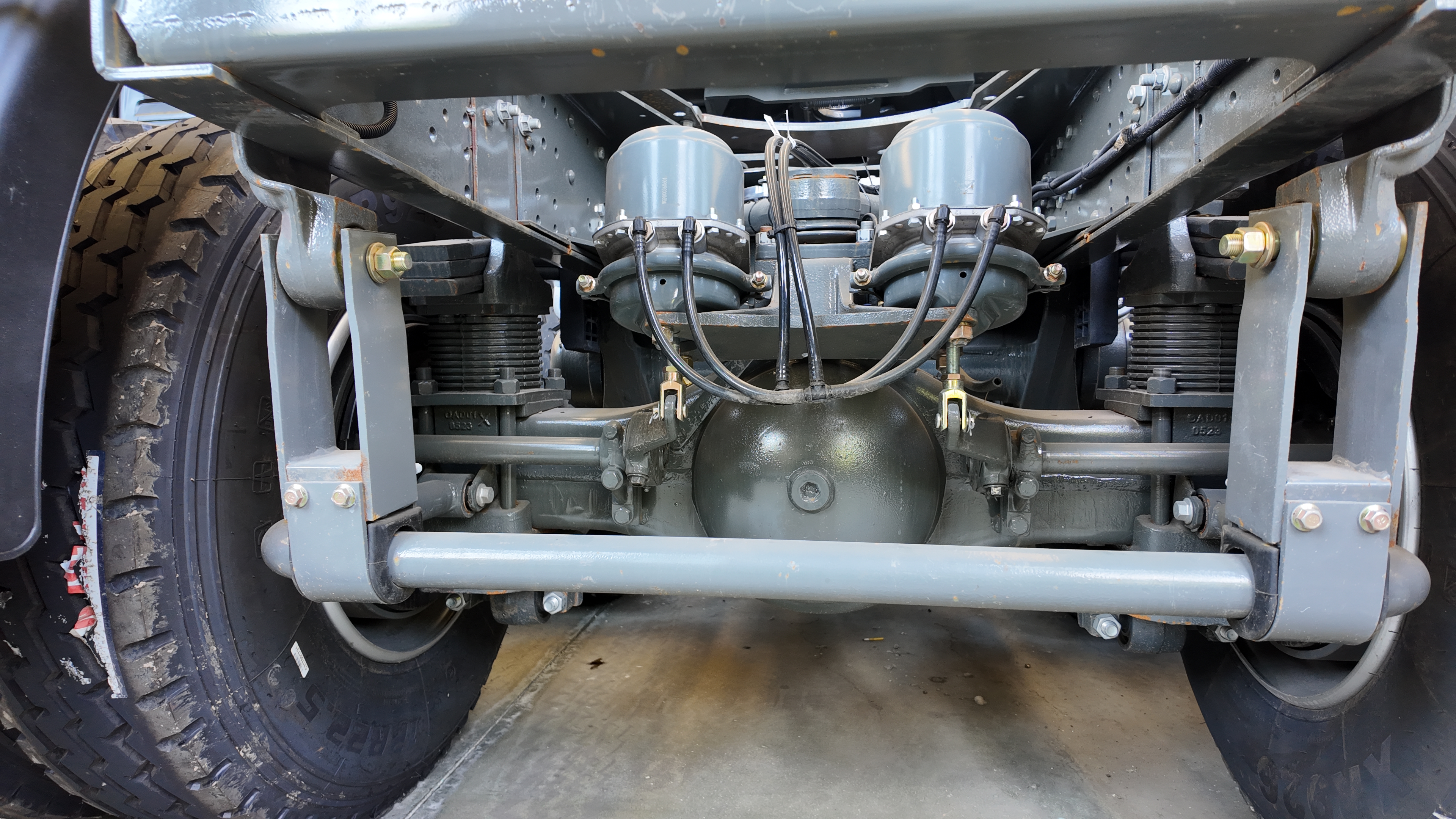
Concentration is the risk to price. One commodity is 73.3 percent of exports and one operator is most of that commodity, and the Marampa suspension just proved what that does to local payrolls. Do not park a fleet in Port Loko on a single mine contract; pair northern Tonkolili-Pepel growth with Freetown distribution work, keep units mobile, and remember the country is LHD like most of the region per our age limit comparison table. Payment discipline matters as much as routing - our supplier payment guide covers escrow and inspection before transfer. For hardware, the 371 horsepower 6x4 dump configuration in this HOWO dump truck and the 450 horsepower option in this 8x4 unit are the two configurations most requested by West African mining contractors.