
Financing Used Trucks in Africa 2026: What Banks Offer and Why Cash Still Wins
Most used trucks shipped from China to Africa are paid in cash - not because no credit exists, but because bank asset finance attaches to locally registered trucks, not imports waiting at anchor. What lenders in Kenya, Tanzania and Southern Africa actually offer in 2026, why import deals resist financing, and the four structures buyers use instead.
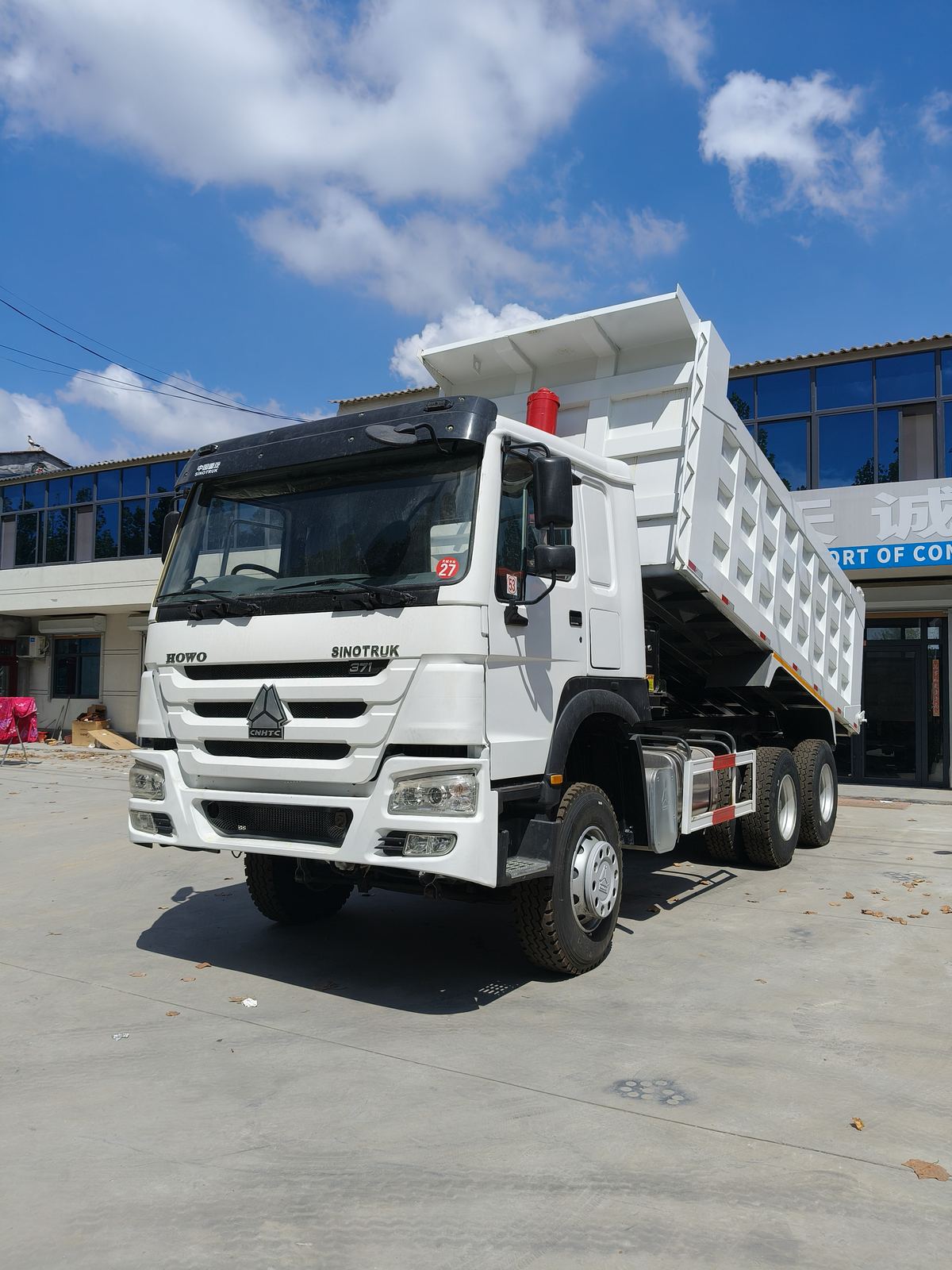
Walk through any used truck yard in China and you will hear the same negotiation regardless of buyer nationality: how much, and when. Financing almost never enters the conversation, and that is not because African fleets do not want credit. It is structural: the asset finance products African banks sell attach to trucks registered inside their own market, while a truck bought in China is still an import at anchor with duties unpaid. That gap shapes the whole trade - the global used truck trade runs on cash, deposits and milestone schedules, and the African demand boom is no exception. This guide maps what actually exists in 2026, why cross-border imports resist financing, and the four structures that work instead.
What banks actually offer
Inside African markets, truck asset finance is real and growing. In Kenya, NCBA signed a partnership with dealer Mobikey Truck and Bus offering up to 100 percent financing on new commercial vehicles and up to 80 percent on used units, with a 60-day repayment moratorium and insurance bundled into the facility (reported by Kenyan business press). In Tanzania, I&M Bank launched an asset finance line with the same shape - up to 90 percent for new assets and 80 percent for used, tenors up to 60 months - on top of a financed-asset book the bank puts at over 508 billion shillings (reported). The pattern is consistent: lenders will fund a used truck at a lower loan-to-value than a new one, once it carries local registration and insurance.
Southern African press snapshots show the cost side, and rates move, so verify before you plan: Zimbabwe minimum lending rates around 30 percent a year; Mozambique prime around 18.5 percent with some lenders funding the full purchase price; Zambia policy rate around 14.5 percent; Botswana prime near 6 percent with used vehicles making up roughly three quarters of first registrations; Namibia averaging around 8 percent for new and close to 12 percent for used trucks (all reported). Nigeria is building a third model: fintech Moove underwrites revenue-based vehicle finance, Autochek runs a truck-loans marketplace, and the CREDICORP scheme lends at single-digit rates - but only for locally assembled vehicles, not imports (reported).
Why the China import resists financing
Four frictions stack up. Collateral comes first: a bank wants a repossessable, registered asset, and a truck sitting at Mombasa or Tema with duties unpaid belongs to nobody yet. The duty stack is second - landed charges can add a large share to the invoice price before the truck moves a kilometre, and the Ghana landed cost guide and the Lagos duty math show how big the non-vehicle cost is. Age limits are third: an eight-year cap or a SI 59 rule shortens the economic life the loan has to amortize against, which the age limit table makes easy to compare. Currency is fourth: suppliers quote in US dollars while fleet revenue arrives in local currency, and milestone-based payment terms exist precisely to manage that mismatch.
Four structures that work
Structure one is cash with milestone discipline - the industry default. Split payment across inspection gates so no single transfer is exposed, per the payment milestones guide, and make the pre-deposit inspection a condition of every release. Structure two is buy, clear, register, refinance: pay cash to import, then use local asset finance - the 80 percent used-unit facilities above - to release working capital once the truck carries plates. Structure three is to finance the new truck when credit matters: distributor credit and single-digit local schemes attach to new units, so run that option against the used price advantage - market research puts used trucks 40 to 65 percent below new (reported) - using the FOB price benchmarks as the baseline. Structure four is phased fleet growth: three-to-five-year-old units dominate the export structure because tickets are smaller and payback faster, leaving budget for the parts and tyres a first season always consumes - and vet the supplier with the document-chain checklist before the first deposit.
The checklist before you sign anything
Whatever the structure, run the basics: ask the bank exactly what it will finance - at port or after registration, maximum vehicle age, minimum down payment; budget the running costs that begin the day the truck lands, as the Ghana running cost guide itemizes; treat the warranty terms and the independent inspection as credit-risk controls rather than optional extras; and keep every transfer milestone-gated so cash exposure never exceeds verified progress. Cash discipline is not a workaround for missing finance - in this trade it is the finance, and the fleets that grow fastest are the ones that treat every payment like a loan review.