
How to Check a Used Electric Truck Battery: SOH Reports, Pack Inspection, Charge Tests
Used electric trucks are entering export stock as China's first NEV truck generation reaches replacement. Learn to read a VIN-bound SOH report, inspect the battery pack physically, run an on-site charge test and secure warranty transfer - the four checks that decide whether a used EV truck is a bargain or a liability.
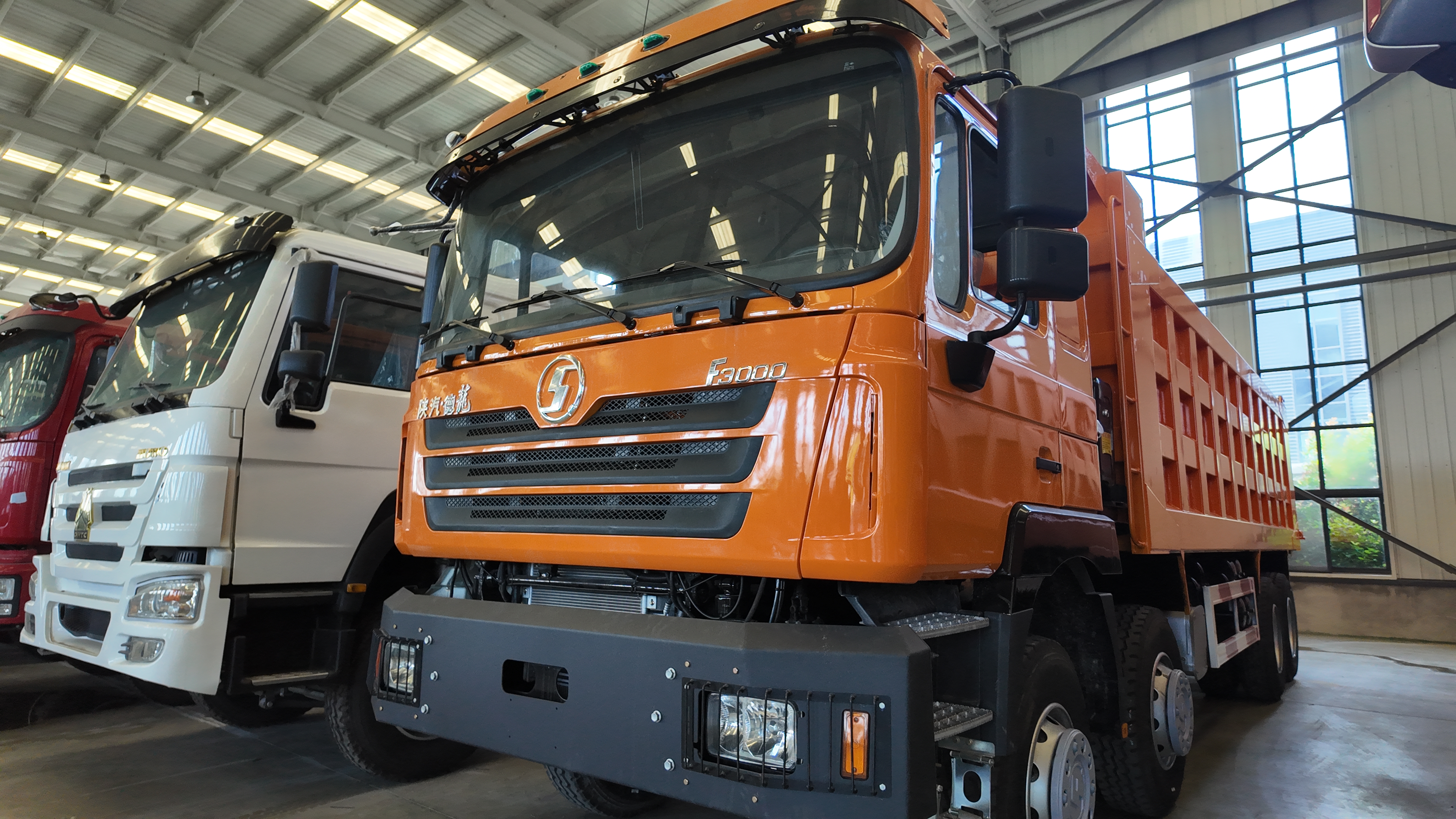
Electric trucks dominated China's domestic heavy-truck market in 2026 - September's domestic new-energy penetration reached roughly 49% (reported) - and the first generation of those trucks is now entering the replacement cycle. Used electric trucks are appearing in export stock in growing numbers, echoing the market inflection we described in the used EV export report. That is good news for buyers with cheap electricity and short, fixed routes - and a trap for anyone who skips battery due diligence. The battery is 40-50% of a used electric truck's value, so the four checks below decide whether your bargain is an asset or a liability. For the indicator thresholds themselves, start with our NEV used truck indicator guide; this page is about how to actually obtain and verify the evidence.
1. Reading the SOH report - and spotting a fake one
SOH (state of health) is remaining usable capacity versus the rated figure. Industry practice treats 90% and above as healthy, 80-90% as normal aging to be priced in, below 80% as heavy degradation, and below 70% as a truck where you should budget for a pack replacement - historically around $8,500-14,000 for heavy-truck packs (reported). A credible report is VIN-bound and shows the test date, the instrument brand and model, the state of charge and temperature at testing, and per-cell or per-module data - not just a headline number.
- Red flags: a report without a VIN match, identical numbers across several trucks from one yard, "100% SOH" claimed on a three-year-old truck, or screenshots without timestamps.
- Cross-check the supporting data: a cycle count above roughly 800 is a warning line; a maximum cell-voltage spread above 0.05V points to inconsistency; rising internal resistance shows up as heat and power derating during charging.
- Ask for date-stamped OBD/BMS screenshots in addition to the PDF - the same evidence protocol we recommend in the reconditioning-grade guide, and part of the document chain repeat buyers demand in the supplier transparency guide.
2. Physical inspection of the battery pack
Reports can be edited; the truck cannot. Get underneath with the supplier's own photos in hand and compare:
- Underbody protection plate. Deep scrapes or deformation mean grounding strikes - the classic cause of hidden internal pack damage. Any dent over the pack area deserves a specialist look before you commit.
- Pack label versus paperwork. The manufacture date on the pack label should match the registration timeline. A much newer pack is either a warranty replacement - ask for the record - or a warning.
- Bolt and seal condition. Scratched pack-enclosure bolts mean the pack has been opened. Sometimes that is legitimate, such as a water-ingress repair or module replacement, but you need the service record that says which.
- Coolant circuit. Crusted residue or stains around coolant ports and hoses hint at leaks; thermal management problems shorten battery life faster than mileage does.
- HV cables and connectors. Cracked insulation, green corrosion or burn discoloration on high-voltage connectors are safety issues, not cosmetic ones.
- Swelling. Any bulge in the case is a walk-away.
The same discipline applies to the rest of the truck - the under-chassis items in the buyer's inspection checklist still apply, and the T/CADCC 009-2025 standard referenced in the export standard guide is the benchmark to name in your contract.
3. The on-site charge test
One hour at a DC charger tells you more than any document. Watch for four things:
- Smooth SoC climb. The state-of-charge display should rise steadily. Jumps or stalls suggest BMS calibration or cell-consistency problems.
- Power curve shape. Power should ramp up and hold, then taper naturally above roughly 80%. Early, aggressive derating points to rising internal resistance or weak thermal management.
- Temperature. A pack that gets unusually hot during a normal DC session is aging faster than its SOH number suggests.
- Time versus spec. If charging takes far longer than the model's specification on the same charger type, capacity is likely degraded. Where possible, add an overnight AC charge and compare displayed range with the rated figure.
Photograph the charger screen at intervals - it costs nothing and becomes part of your evidence file. Also confirm the charging standard before purchase: GB/T versus CCS2 compatibility decides what the truck can actually use at your destination, as covered in the indicator guide.
4. Warranty transfer - the clause most buyers miss
Most new-energy vehicle warranties are first-owner and VIN-bound, and commercial-vehicle battery coverage in China commonly runs five to eight years (reported industry practice). What matters for export buyers is whether coverage survives transfer - and that is decided by paperwork, not goodwill:
- Get written confirmation from the manufacturer or authorized dealer that the warranty transfers with the VIN to the export buyer, and under what conditions.
- Know what voids coverage: unauthorized repairs, accident damage to the pack and broken seals are the usual exclusions.
- Make it a payment milestone. Tie the final payment to delivery of the warranty-transfer confirmation and the original purchase invoice - the same milestone logic as in the payment-methods guide.
- Plan the service relationship early. Warranty without local service is a promise you cannot cash - see the warranty and after-sales guide for what to demand from the supplier.
5. Five-step checklist before you pay a deposit
- Demand a VIN-bound SOH report with per-cell data - reject template PDFs.
- Inspect the pack physically: underbody plate, bolts, coolant lines, HV connectors.
- Watch a full DC fast charge; photograph the power curve and temperatures.
- Secure written warranty-transfer confirmation as a payment milestone.
- Confirm the charging standard and local charging reality at your destination, then price the residual battery risk into your offer using our FOB price baselines.
Buying a used electric truck is really buying the certainty of its battery. Suppliers who hand over the data win the deal - and buyers who demand it avoid the one mistake that loses a market. If you are weighing finance options for the purchase, our 2026 financing and leasing guide covers how lenders view battery risk.