Mongolia Used Truck Import Guide 2026: Erenhot Corridor, Excise Tax Ladder and Mining Demand

Mongolia rarely tops the used truck headline list, but the numbers out of the Erenhot border crossing in October 2026 are hard to ignore. Regional media report that Erenhot exported 610 used vehicles in 2024 and 2,466 units in 2025 - roughly a fourfold jump in one year - with trade value reaching about RMB 190 million. The port now runs a dedicated green channel for used vehicle exports with pre-declaration and same-day release, and dump trucks, tractor units and pickups make up a large share of the flow heading to Ulaanbaatar.
Why Mongolia buys Chinese used trucks
Mongolia is a small population market, but its fleet profile is unusually favorable for heavy truck sellers.
- Mining drives demand. Copper at Oyu Tolgoi and coal at Tavan Tolgoi keep thousands of haulage trucks on the road, and Chinese mining groups with investments in Mongolia are natural buyers for Chinese-brand equipment and parts.
- A used-car-dominated market. In a typical pre-pandemic year Mongolia imported more than 90,000 used vehicles against fewer than 4,000 new ones, and roughly 60 percent of the national fleet is concentrated in Ulaanbaatar.
- Short distance. From Erenhot on the Chinese side it is about 700 km of paved highway to Ulaanbaatar - trucks can be driven across the border and delivered in 1-2 days instead of waiting weeks for a vessel.
Import rules: no age limit, but tax rises with age
Mongolia does not cap the age of imported used vehicles. Instead, the special excise tax climbs with both engine displacement and production year. Three rules matter for truck buyers:
- Drive side. Mongolia drives on the right and is a left-hand drive (LHD) market - a perfect match for Chinese stock. Right-hand drive units are importable with a license but remain the exception.
- Vintage vehicles. Trucks manufactured before 1996 face an additional inspection requirement, which in practice rules out the oldest stock.
- No mandatory pre-shipment inspection. Unlike Ghana PVoC or Angola PSI, Mongolia does not require a third-party inspection certificate before loading - the border check happens in Mongolia.
The excise ladder for large engines
Excise is a fixed USD amount per unit, based on engine capacity and age band. Reference brackets from published trade sources:
| Engine (cc) | 0-3 yrs | 4-6 yrs | 7-9 yrs | 10+ yrs |
|---|---|---|---|---|
| 1501-2500 | 1,500 | 2,000 | 3,000 | 7,000 |
| 2501-3500 | 2,000 | 2,500 | 4,000 | 8,000 |
| 3501-4500 | 4,500 | 5,000 | 6,500 | 10,500 |
| 4501+ | 7,000 | 7,500 | 9,000 | 13,000 |
Important for trucks: heavy truck engines of 9-13L sit beyond the commonly published passenger brackets, and commercial rates are assessed on a separate customs schedule. Treat the table as directional and confirm the exact bracket with your customs broker before quoting a landed price.
Duties and VAT
- Customs duty: 5 percent preferential rate for Chinese origin, 10 percent normal rate otherwise.
- Excise: fixed amount per the ladder above.
- VAT: 13 percent on CIF plus duty plus excise. A few older references quote 10 percent; current filing references cite 13 percent - verify with your broker before signing.
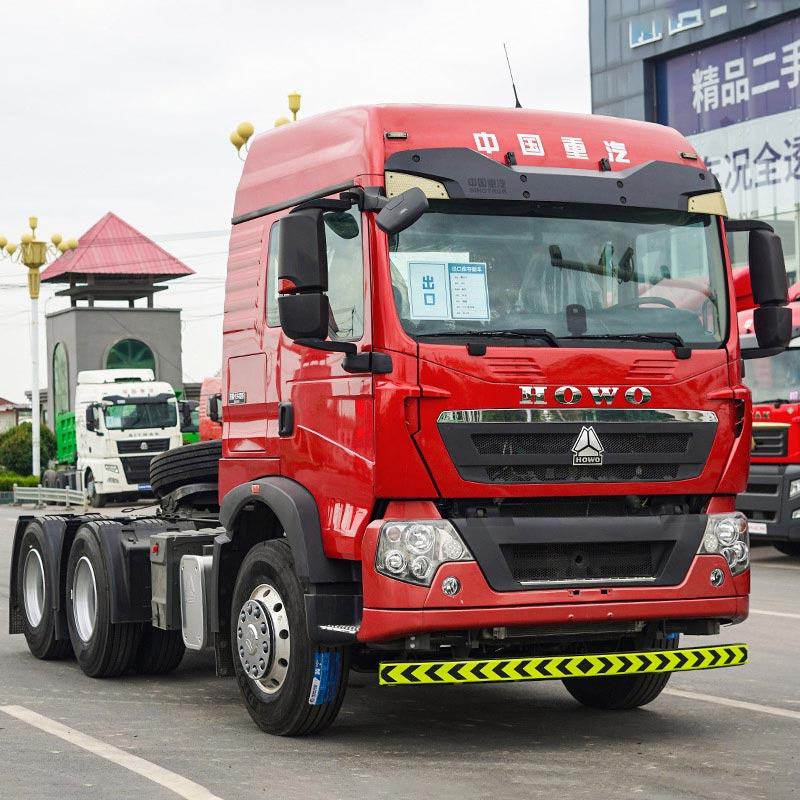
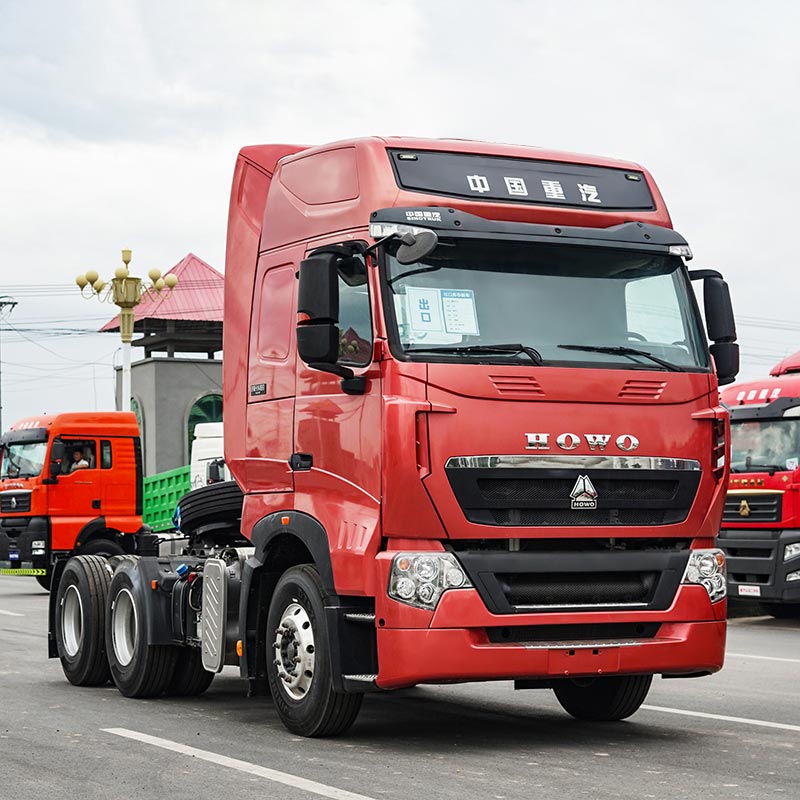
Worked example (estimate): a 5-year-old used HOWO 6x4 tractor at CIF Ulaanbaatar USD 17,000 with a large-displacement engine. Duty at 5 percent = USD 850. Excise for a 9-13L commercial engine: budget roughly USD 3,000-7,000 depending on the bracket the broker secures. VAT at 13 percent adds about USD 2,900-3,800. All-in taxes land around USD 7,000-11,500, roughly 40-65 percent on top of CIF for an older large-engine unit. The bracket, not the purchase price, decides the bill - get the excise assessment in writing first.
Two routes to Ulaanbaatar
- Erenhot drive-away (road). The fastest and cheapest channel for self-propelled trucks: pre-declare, clear the green channel, then a 700 km drive to Ulaanbaatar. This is the route behind the Erenhot growth story.
- Tianjin Xingang rail and container. Containerized rail to Ulaanbaatar in roughly 13-20 days. Traders generally prefer containers over RoRo for inland Mongolia because of theft risk in transit; RoRo is possible for oversized units with rail transshipment at Xingang.
Documents for clearance
- Bill of lading showing chassis and engine numbers, displacement, year, brand and model
- Import contract, commercial invoice and packing list
- Certificate of origin
- Import license and customs declaration
- Transport contract and payment receipts
- Vehicle inspection certificate (pre-1996 units only)
What to spec for the Mongolian market
- Cold package. Ulaanbaatar winters reach minus 30C: cold-start capability, battery condition and cabin heating matter more than cosmetics.
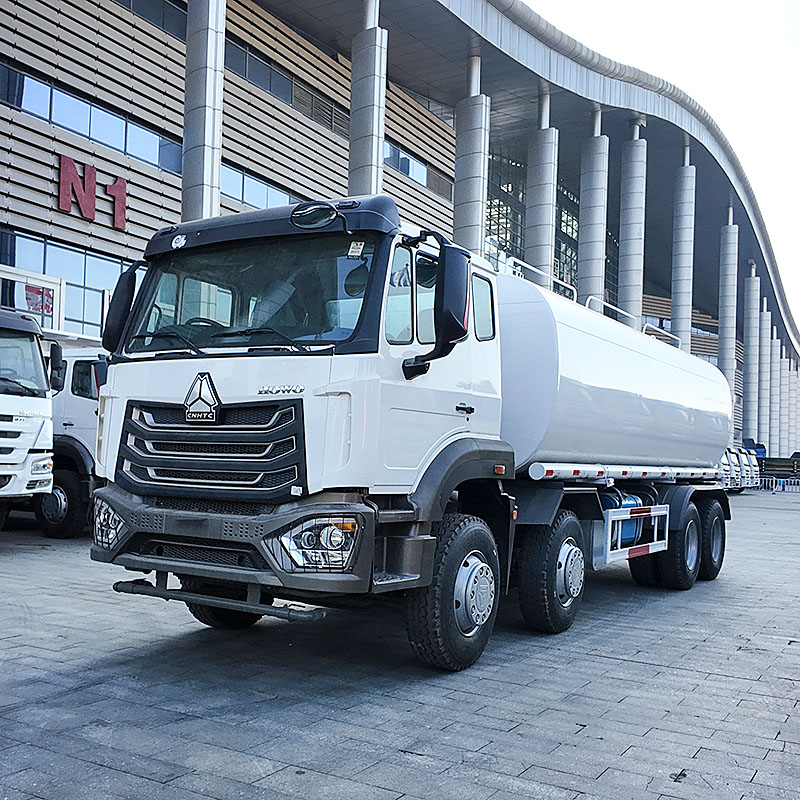
- Dump trucks and tractors first. Mining and construction fleets want 6x4 dump trucks in the HOWO 371 class and 430-480hp tractors for coal haulage; logistics operators take cargo trucks. See our mining truck benchmarks and 2026 price baselines.
- Service parts. Chinese brands already have parts channels in Inner Mongolia and Ulaanbaatar - a key advantage over European trucks at 3-5x the price.
Where Mongolia fits in your 2026 map
Mongolia sits alongside Central Asia in the northern corridor: read the Uzbekistan and Central Asia guide for the southern lane, check the LHD and RHD steering map before matching stock, and review the global access traffic light for the full regulatory picture. If your units sail instead of rolling, plan ahead with the Q4 RoRo booking window. Compared with markets that cap age at 5-10 years, Mongolia accepts older stock - which makes the excise bracket, not the calendar, your real pricing constraint.