China Moves to Fully Open Used Vehicle Exports: What MOFCOM Draft Rules Mean for Global Buyers
A Policy Turning Point for the Used Truck Trade
On September 15, 2026, Chinese media including China Business Journal reported that the Ministry of Commerce (MOFCOM) has released the Draft Announcement on Matters Related to Used Vehicle Exports for public comment. Industry analysts read this as the prelude to fully opening China used vehicle exports after four years of a restricted pilot system.
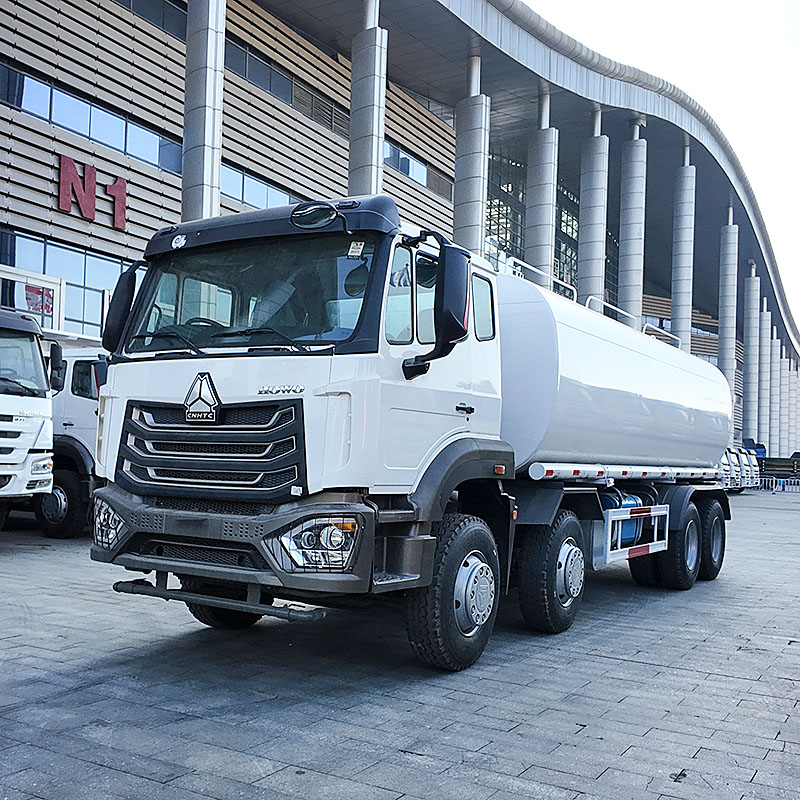
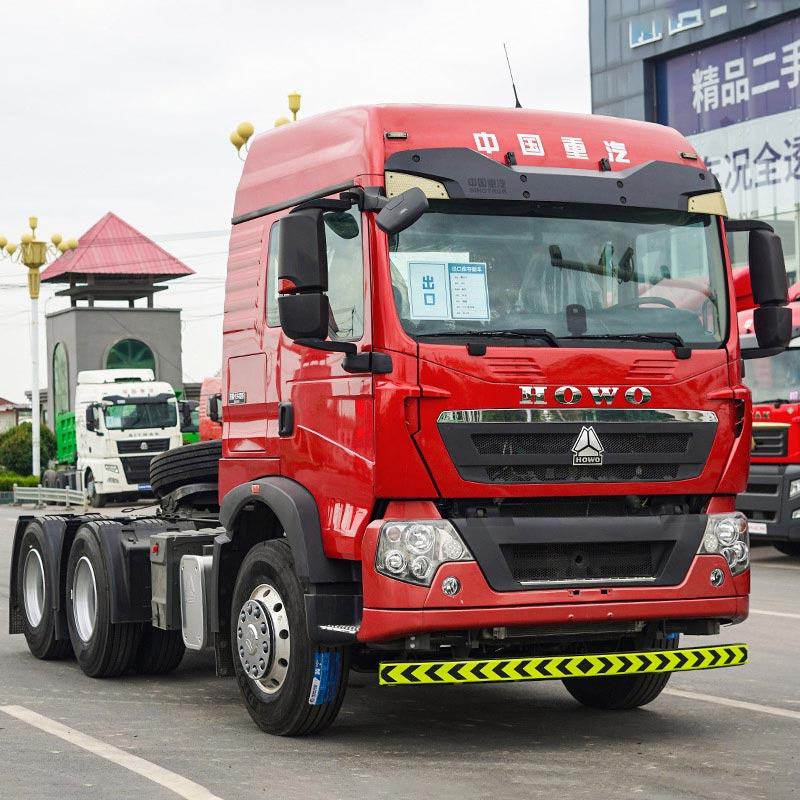
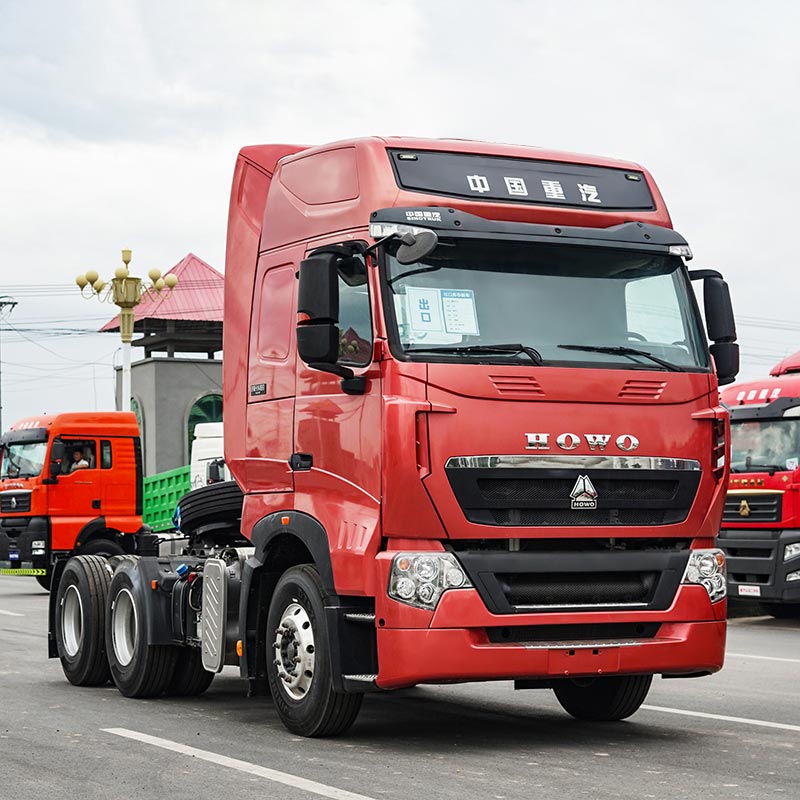
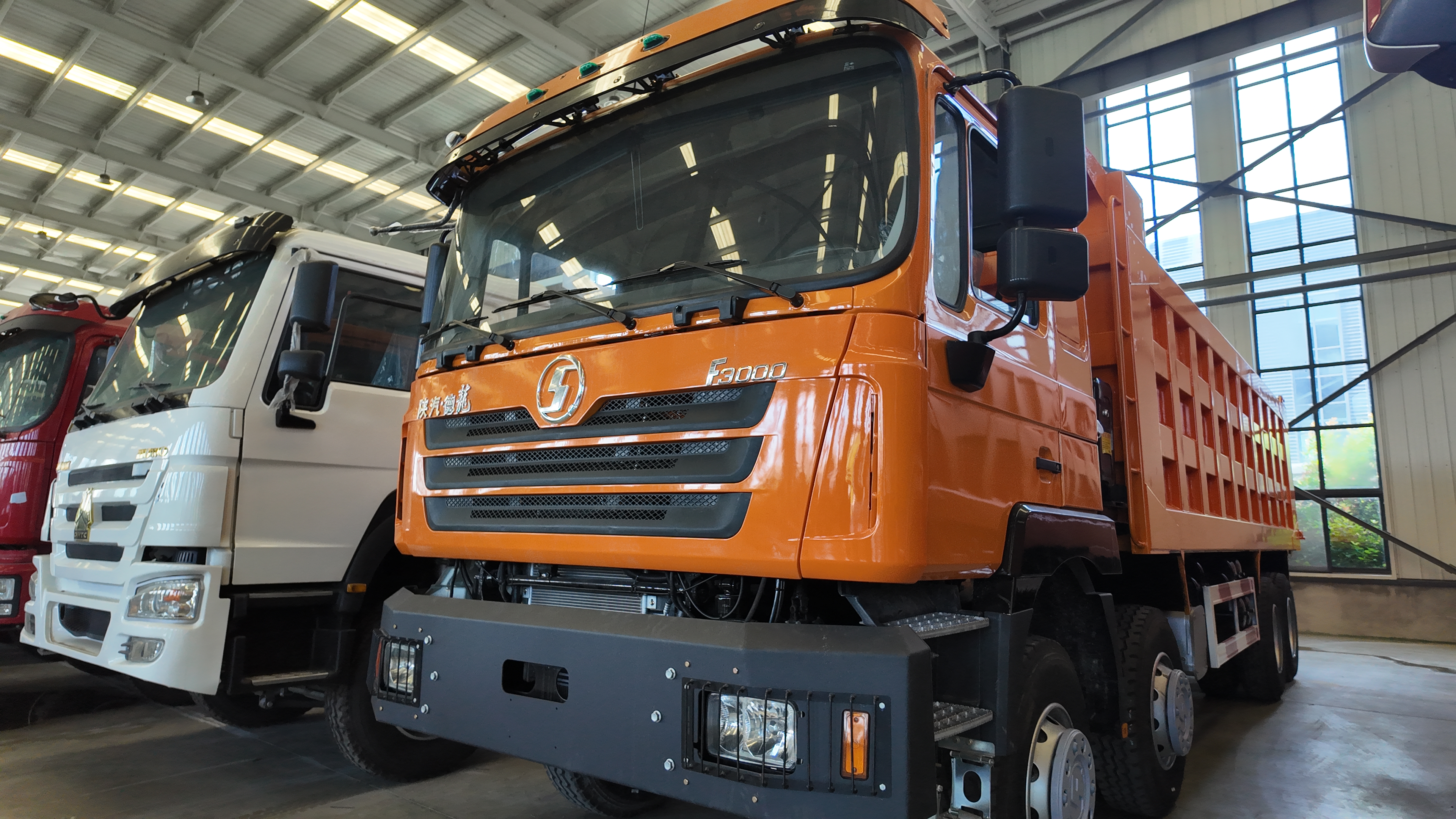
For overseas buyers of used trucks from China — HOWO tractor heads, Shacman dump trucks, FAW cargo trucks and more — this is one of the most important policy shifts since the pilot program began in 2022.
What the Draft Announcement Changes
Under the current pilot regime, only licensed pilot enterprises may export used vehicles, and each shipment requires an export license tied to VIN numbers under a one-license-per-batch rule. The draft announcement would:
- Replace the pilot-company system with open, criteria-based qualification for exporters nationwide
- Standardize third-party inspection requirements (WM/T8-2022 for passenger cars, WM/T9-2022 for commercial vehicles and trailers)
- Clarify export license application, VIN declaration and post-clearance deregistration timelines
- Set unified rules for after-sales service commitments in destination markets
0.5% VAT Extension to End of 2027
Alongside the draft, the Ministry of Finance and State Taxation Administration have confirmed that used vehicle dealers selling acquired used vehicles continue to pay VAT at a reduced 0.5% rate through December 31, 2027. This keeps the cost base of the export supply chain low and supports competitive FOB pricing.
What It Means for Global Truck Buyers
A fully open market changes the buying landscape in three ways:
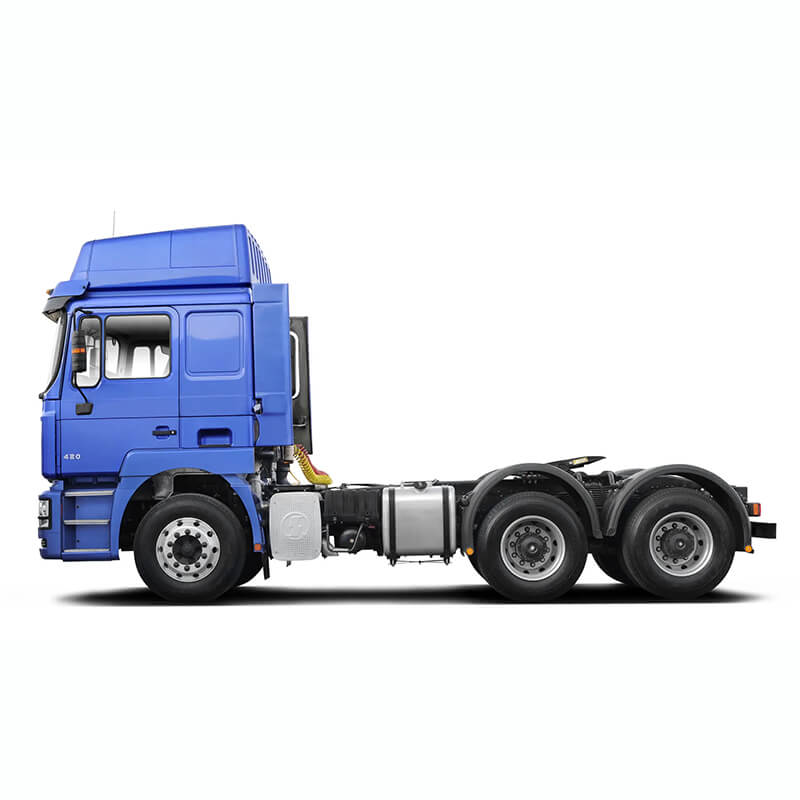
- Larger supply pool: more regions and fleets can sell into the export channel, so sourcing specific models (371hp and 420hp tractor heads, 6x4 dump trucks, mixer trucks) becomes faster.
- Standardized quality: unified inspection standards mean third-party reports become comparable across suppliers, reducing the risk of buying unseen.
- More competition on price: with entry barriers falling, buyers should compare multiple quotes — but also vet supplier qualifications more carefully, since new entrants lack export track records.
How to Vet a Supplier Under the New Rules
Even after liberalization, buyers should still check: years of export experience to your destination market, third-party inspection reports issued before shipment, video inspection of the actual unit, and clear after-sales commitments written into the contract. The new policy makes it easier to enter the trade — it does not remove the need for due diligence.
Looking for a supplier with a proven export record? Browse our used truck inventory or contact us for the latest CIF quotes to your port.