Burundi Used Truck Import Guide 2026: LHD Rules, OBR Taxes and the Kobero Corridor

Burundi rarely tops African truck-buying shortlists, but it should not be dismissed. It is the second left-hand-drive market in East Africa after Rwanda - while Kenya, Uganda and Tanzania all require right-hand-drive vehicles, Burundi drives on the right, so Chinese used trucks enter with no steering conversion and none of the $2,500-$4,000 conversion bill described in our RHD guides. It is landlocked, small and price-sensitive, but the same structural fit that makes Rwanda attractive applies here. Here is how a 2026 import to Bujumbura actually works.
Rule One: LHD, and a Tight Age Ceiling
Burundi drives on the right, so left-hand-drive vehicles are the only practical option; originally RHD units have no path into the market. Age rules are stricter than in neighboring Tanzania: international moving-industry guides converge on an 8-year maximum import age, with a USD 1,000 customs fine for violations, and a December 2025 amending finance law (Law No. 1/09 of 31 December 2025) went further - it lowered the threshold that triggers anti-pollution penalties on imported vehicles from 10 years to 7 years, keeping a fixed penalty of BIF 3 million per vehicle plus a percentage penalty on customs value scaled by engine capacity.
Because of the gap between the 8-year import line and the 7-year penalty line, the practical planning ceiling is 7 model years or newer. Confirm the current cut-off with the Office Burundais des Recettes (OBR) or your clearing agent before booking vessel space - a truck rejected at Kobero cannot be recovered economically.
The Tax Stack: EAC Remissions Make Burundi a Low-Duty Truck Entry
Burundi applies the East African Community Common External Tariff, but the June 2025 EAC Gazette records stay-of-application measures for both Burundi and Rwanda on goods vehicles:
- Trucks over 5 tons and up to 20 tons GVW (HS 8704.22): 10% import duty instead of 25%.
- Trucks over 20 tons GVW (HS 8704.23): 0% import duty.
- On top: 18% VAT on the duty-paid value, and an import security levy raised from 1.15% to 2% of customs value by the same December 2025 law.
These remissions are renewed annually, so verify the current-year gazette with your clearing agent - but at face value a 6x4 tractor head or an 8x4 dump truck enters Bujumbura at half or less of the duty burden of the general 25% CET line, one of the lightest heavy-truck duty regimes in East Africa.
Documents: ECTN, PSI and the OBL Detail List
Three paperwork items sink more Burundi shipments than price ever does:
- ECTN (Electronic Cargo Tracking Note): mandatory for all cargo arriving in Burundi and must be issued before loading. Arriving without one has drawn penalties reported at $5,000-$10,000.
- Pre-shipment inspection and import license: the threshold is just USD 500 - effectively every commercial truck shipment - and the import license is processed through the customs system and validated by the buyer local bank, so build in extra days.
- Bill of lading detail: the OBL must show chassis number, engine number, cubic capacity, year of manufacture, brand and model. Missing entries delay clearance.
Routes: The Dar es Salaam Central Corridor to Kobero
Burundi has no seaport. Sea freight lands at Dar es Salaam (about 25-35 days from China) and trucks roughly 1,200-1,500 km overland through Kobero to Bujumbura - the inland leg runs 4-9 days depending on border traffic and season. The full door-to-door journey typically spans six to ten weeks including clearance.
- Central Corridor (Dar es Salaam - Kobero): the default route, about $4,100 per lorry in direct transport costs per a UN trade-facilitation study - the cheapest of the three corridors.
- Northern Corridor (Mombasa - Kampala/Kigali - Kobero): roughly 2,050 km with direct costs near $4,800-$5,000, but operators report fast clearance and few non-tariff barriers - see our Kenya guide for the Mombasa workflow.
- Southern Corridor (Dar - rail to Kigoma - Lake Tanganyika barge): the cheapest on paper, but wagon shortages and rail condition make it unreliable; use it only when lake transport schedules align.
Our Tanzania guide covers Dar port clearance in detail, and our Kenya vs Tanzania comparison helps you choose the entry port for combined East African programs.
Landed Cost Example: HOWO 371 6x4 to Bujumbura
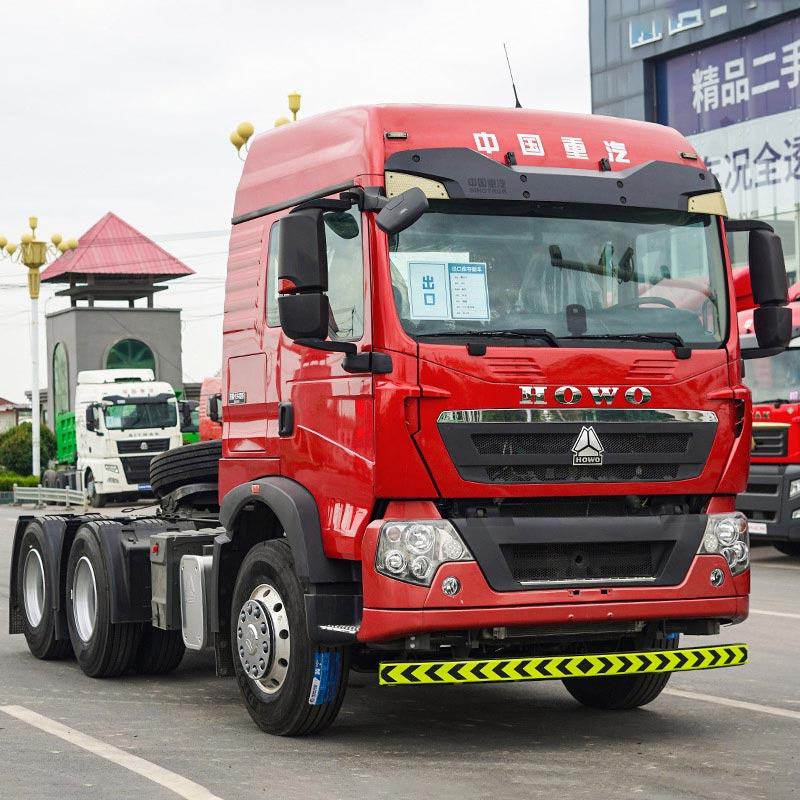
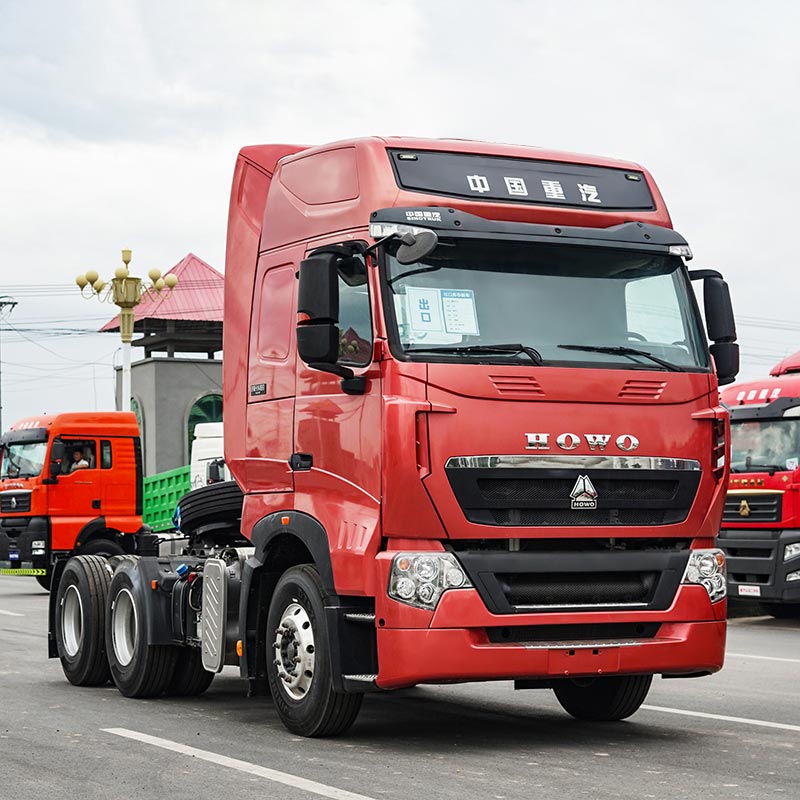
Using the FOB benchmarks from our 2026 price guide, take a 2019 HOWO 371 6x4 tractor head at about $12,000 FOB Tianjin:
- FOB China: $12,000
- Sea freight to Dar es Salaam: $2,000-$3,000 - CIF Dar roughly $14,500
- Import duty at the remitted 10% truck rate: about $1,450
- VAT 18% on duty-paid value: about $2,870
- Security levy 2% of customs value: about $290
- ECTN, inspection and port handling: $500-$800
- Overland Dar to Bujumbura: $2,000-$2,800
- Indicative landed cost in Bujumbura: about $20,500-$22,500
That is meaningfully below the $24,000-$26,000 Kigali example in our Rwanda guide, driven almost entirely by the duty remission - the trade-off is a smaller local market and longer inland logistics.
What Sells in Burundi
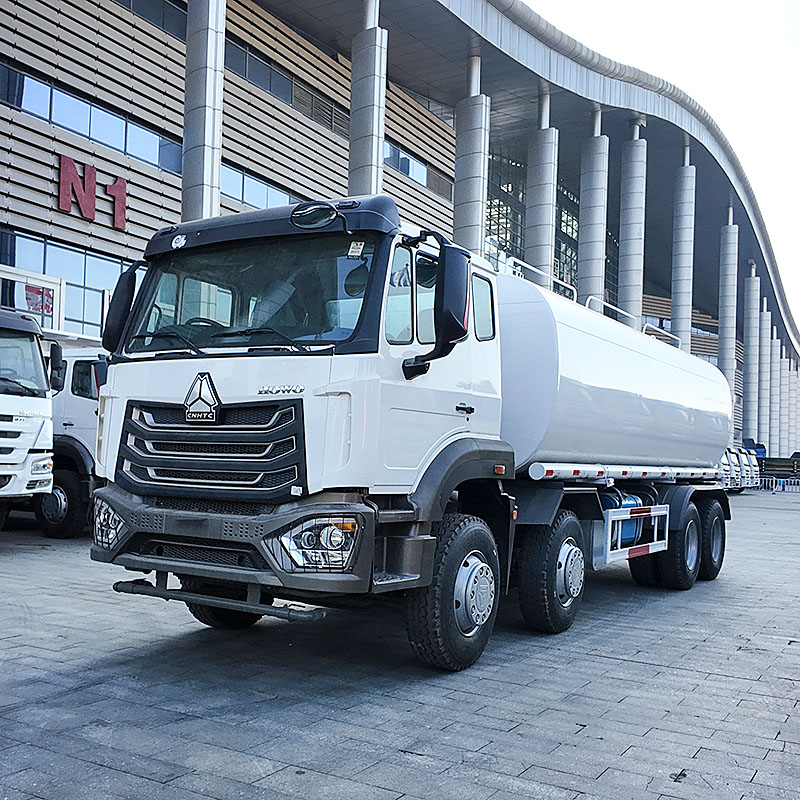
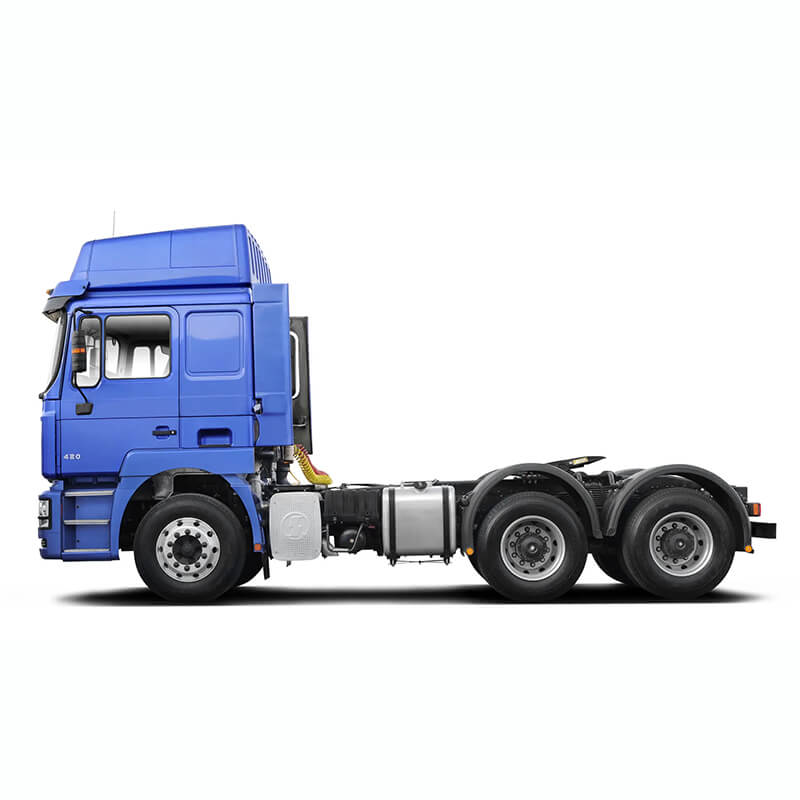
Demand concentrates in cargo trucks for consumer-goods distribution, dump trucks for construction and mining work, water trucks for infrastructure projects, and tractor heads feeding corridor trade toward DRC South Kivu. Because Burundi shares the LHD standard with Rwanda and DRC, trucks cleared in Bujumbura can be repositioned to neighboring markets - our LHD country map covers the full list.
Buyer Checklist
- Plan on a 7-year-or-newer build year; confirm the current age cut-off with OBR in writing
- Verify the current-year EAC gazette truck duty rate with your clearing agent before quoting
- Secure the ECTN before loading - never ship against an incomplete file
- Make sure the OBL carries chassis, engine, cubic capacity, year, brand and model
- Budget six to ten weeks door-to-door and book inland transport from Dar before the vessel sails
Burundi rewards the same disciplined approach as its twin market Rwanda: LHD trucks, clean documents, and a corridor plan made before the vessel sails. Pair this guide with our Rwanda guide and the global market-access hub to place it inside your East Africa strategy.