Import Used Trucks from China to Iraq 2026: Umm Qasr Route, Duties and Clearance Guide
While Saudi Arabia and the UAE tighten used vehicle rules every year, Iraq keeps moving in the opposite direction. Reconstruction and logistics demand from Basra to Baghdad makes it one of the largest untapped markets for used Chinese heavy trucks, and its entry rules are among the most permissive in the Middle East. But Iraq has its own traps: two separate customs jurisdictions, embassy-legalized paperwork and a pre-payment tax system. Here is how a compliant 2026 shipment actually works.
1. Why Iraq Plays by Different Rules than the GCC
GCC markets stack type approvals and model-year limits on used trucks. Iraq currently does not require whole-vehicle type certification for trucks, and commercial vehicles face no hard age ceiling in federal practice - a sharp contrast with passenger cars, which face much stricter recency rules commonly cited as under two model years. Chinese left-hand-drive stock matches the Iraqi road system directly, and Euro 4 emission level is the practical floor importers work with.
| Factor | Saudi Arabia | UAE | Iraq (federal) |
|---|---|---|---|
| Type approval | SASO mandatory | GSO conformity | No whole-vehicle certification for trucks |
| Age rule (trucks) | Tight model-year limits | About 3 years for fuel vehicles | No hard ceiling currently; an 8-year cap has been proposed for 2026 |
| Emissions | Euro 5 / SASO fuel rules | Euro 5 / GSO | Euro 4 practical floor |
| Steering | LHD only | LHD for registration | LHD only |
| Banned condition | Salvage, accident units | Accident units | Accident, flooded, fire-damaged units barred |
One warning for planners: Iraqi authorities have floated an 8-year age cap for imported vehicles in 2026 drafts. Nothing is final, but buyers of older stock should not lock in long lead-time orders without checking the latest rule with their clearing agent.
2. Federal Iraq vs the Kurdistan Region: Two Markets, One Country
The first question in any Iraq deal is not which truck - it is which customs jurisdiction. Federal Iraq (via Umm Qasr, Khor Al-Zubair and Basra) applies federal tariffs, COSQC-linked licensing and the federal registration system. The Kurdistan Region (Erbil, Sulaymaniyah, Dohuk) is mostly supplied through overland corridors from Turkey or Iran and runs its own tariff and registration regime - federal rates do not automatically apply.
The destination governorate does not decide the customs route: cargo bound for Erbil can enter through different corridors with different duty outcomes. Agree the entry corridor with your Iraqi importer and licensed clearing agent before purchasing units, because it changes the landed-cost math.
3. Routes and Transit Times
- Umm Qasr (main deep-sea port): handles container and RORO, serves Basra, Baghdad and southern Iraq. About 32-40 days from Shanghai. RORO vs container trade-offs apply here as everywhere.
- Khor Al-Zubair and Basra: supplementary federal gateways for bulk and project cargo.
- Aqaba (Jordan) overland: 40-50 days door-to-door; a working alternative when Umm Qasr is congested.
- Mersin (Turkey) overland: 45-55 days into the Kurdistan Region, serving Erbil and Sulaymaniyah.
4. Duties and Landed Cost
Federal import duty is commonly cited around 15% as a baseline, but the exact rate follows the HS code - commercial vehicle categories are often treated more favorably than passenger cars. On top of duty, budget roughly 5-10% for reconstruction fees and governorate-level charges. The Kurdistan Region applies its own tariff schedule, which can differ materially. Two practical rules:
- Classify before you quote. Get the HS classification confirmed by a licensed broker for the exact truck category, not a generic vehicle rate.
- Model the full stack. Duty + reconstruction fees + port handling + inland delivery to Baghdad or Erbil can add 25-35% over CIF. A truck that looks cheap FOB can lose to a better-located unit on landed cost.
5. Documents and the Clearance Sequence
Iraq clears cargo on a pre-declaration, tax-before-release basis under the ASYCUDA system. The paperwork set for a used truck shipment:
- Import licence: obtained by the Iraqi importer through the Ministry of Trade / COSQC electronic system. The licence name must match the commercial invoice and customs declaration exactly.
- Certificate of Origin: in most Iraqi shipments the CO is legalized - notarized in China and stamped by the Iraqi embassy - before it counts at clearance.
- Commercial invoice, packing list, bill of lading: VIN and unit counts must align with the export declaration.
- Pre-shipment inspection and condition report: accident, flooded and fire-damaged vehicles are barred, so a traceability report on vehicle history protects both sides.
Payments deserve their own note: many Iraqi buyers settle through UAE, Jordanian or Turkish trading entities because of local banking constraints. Agree the payment jurisdiction in the contract before deposit.
6. What to Check Before You Commit
- Which jurisdiction and which entry corridor - federal Umm Qasr or a Kurdistan land route?
- HS classification and the full duty stack for that truck category, confirmed by a broker.
- Importer licence readiness - licensing delays, not shipping, are the usual cause of port storage charges.
- Vehicle age against the latest draft rules, if your units are more than 5 years old.
- Embassy legalization lead time for the CO - build it into the delivery schedule.
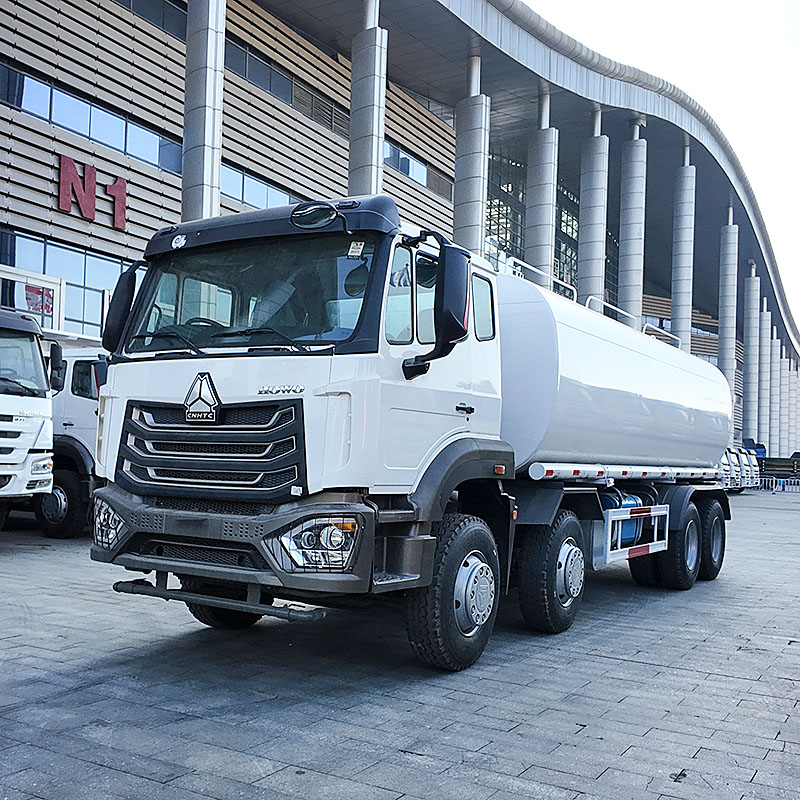
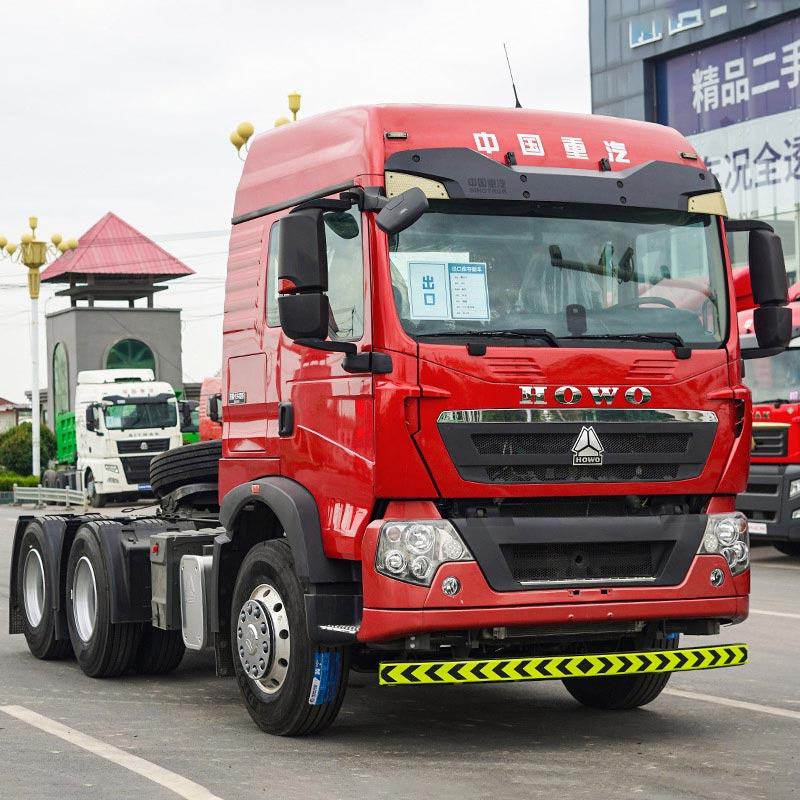
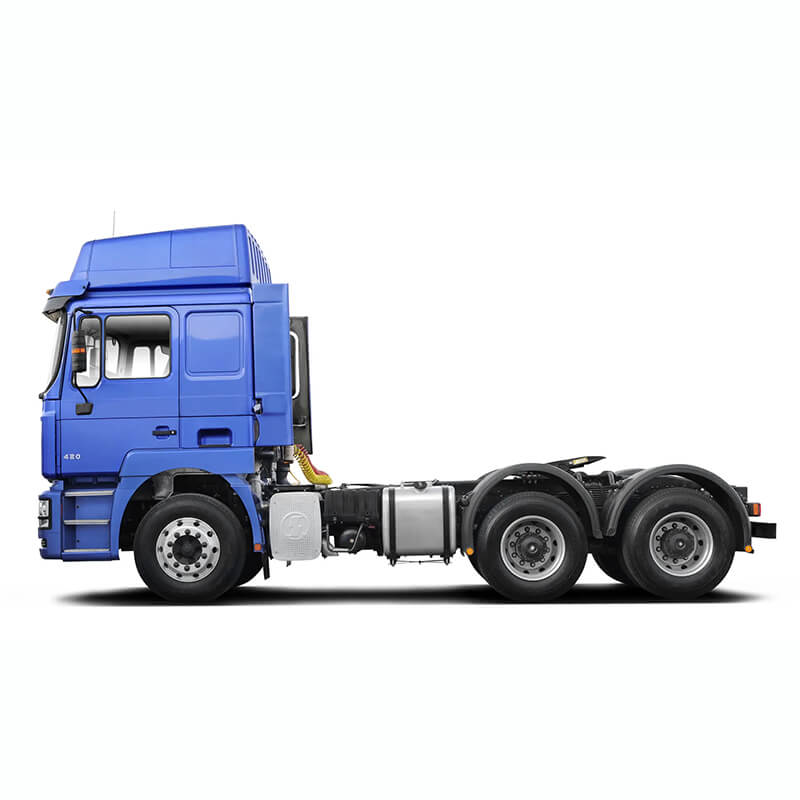
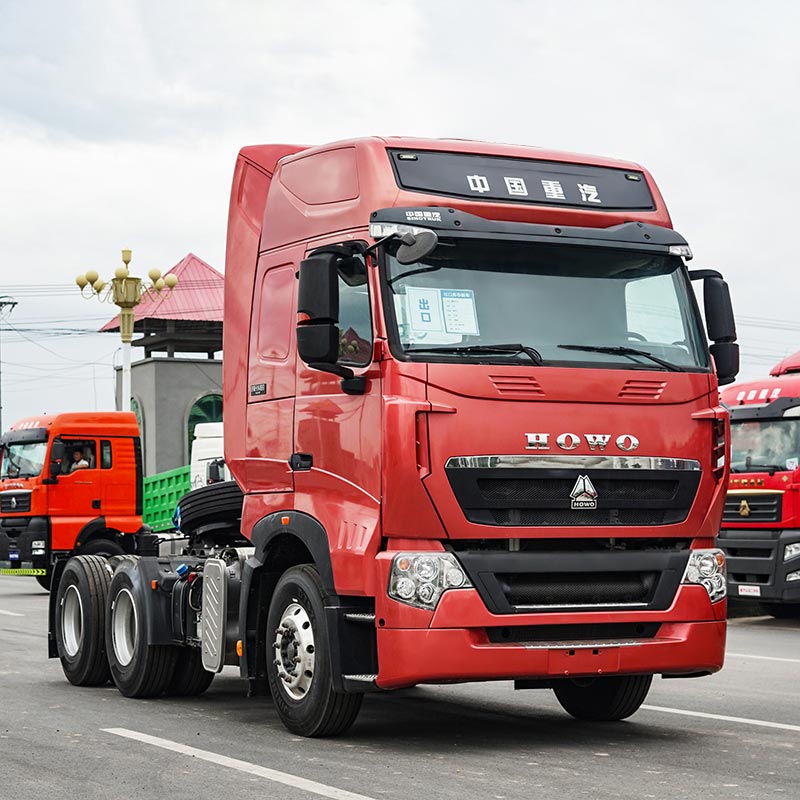
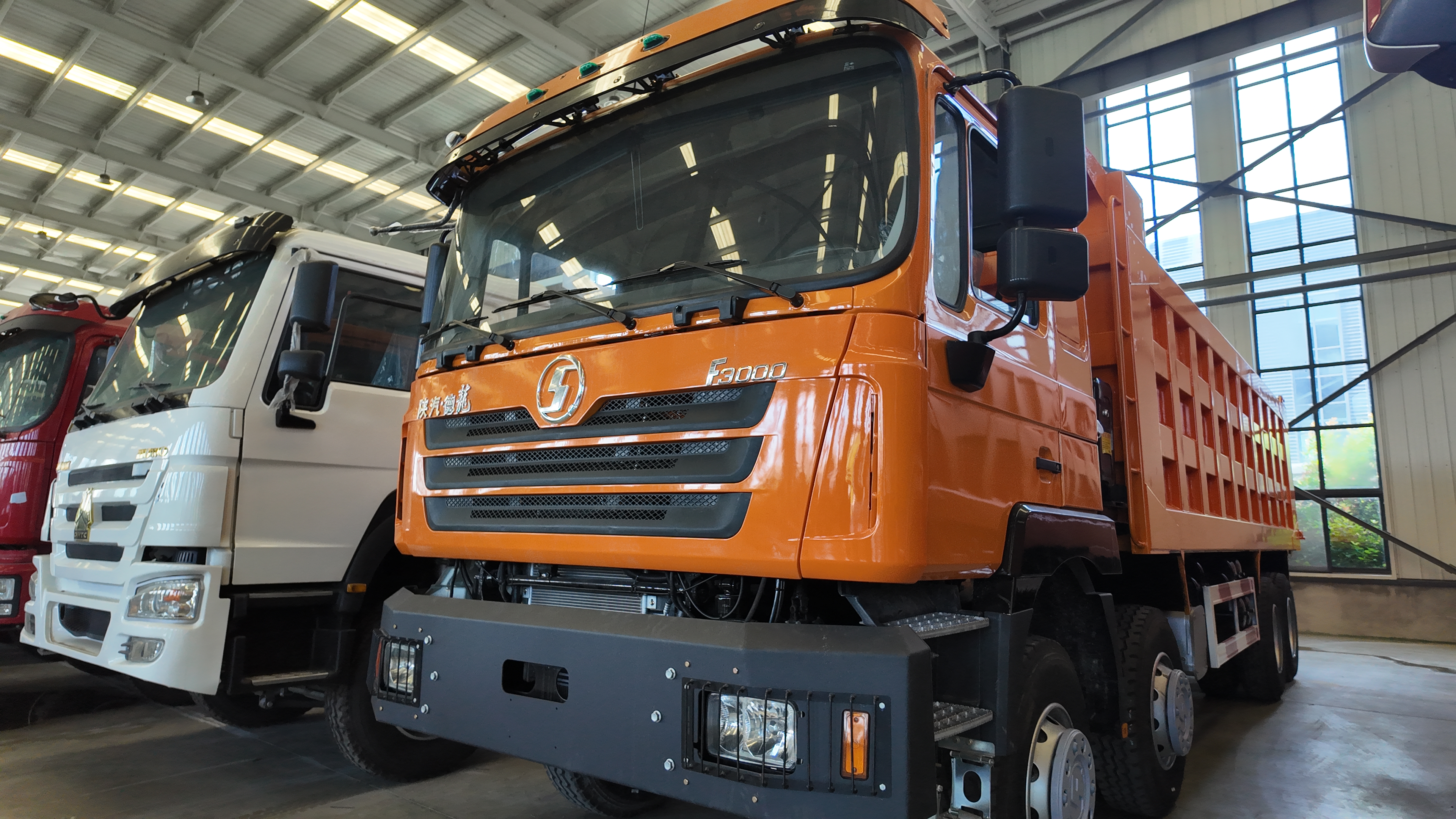
We ship inspection-verified used HOWO, Shacman and FAW trucks to Middle East buyers with complete export document packages. Send us your destination city and unit list for a landed-cost quotation covering the Umm Qasr route and the Kurdistan corridors.