Import Used Trucks from China to Benin 2026: Cotonou Port, No Age Limit
Cotonou: the small port with an outsized role in West African truck trade
Benin is a small country, but the Port of Cotonou sits right on the Gulf of Guinea, roughly 100 kilometres from the Nigerian border, and its economy is built on re-export. If Apapa and Tin Can Island in Lagos are congested - and they usually are - many Nigerian dealers ship to Cotonou instead, clear under transit, and drive across the Sem-Krake border. Landlocked Niger and Burkina Faso also receive their trucks through Cotonou because neither has a seaport.
Why Benin has no age limit - and why that matters
Nigeria caps used vehicle imports at 15 years, Ghana at 10. Benin simply does not impose an age limit. A 2014 or 2015 tractor unit that would be rejected almost anywhere else in West Africa can still land in Cotonou without penalty. For buyers who want maximum truck for their budget, that is a genuine edge - though trucks destined for re-export to Nigeria must still satisfy Nigerian rules at the destination border.
Steering side: LHD for Benin, RHD for Nigeria
- Benin drives on the right, so the local market wants left-hand-drive (LHD) trucks - standard Chinese domestic stock fits directly.
- Buying for re-export to Nigeria? Nigeria also drives on the left side of the road convention but requires right-hand-drive (RHD) units, which changes the stock you should order from China.
Duties and taxes in 2026
Benin is an ECOWAS member, so import duties follow the ECOWAS Common External Tariff (CET):
- Import duty: 20% of CIF value (vehicles band).
- VAT: 18% on CIF plus duty.
- Other levies: ECOWAS community levy of roughly 0.5-1.5%, a small statistical levy, and port handling charges.
- Customs system: SYDONIA electronic declaration; the duty base is CIF value.
Transit trade: pay duty at the destination, not in Benin
Duty only applies if the truck stays in Benin. Trucks passing through to Nigeria, Niger or Burkina Faso move under the ECOWAS transit regime under bond - no Benin duty is paid; duty is collected at the destination. That bonded-transit mechanism is the entire reason the Cotonou re-export trade exists. Your clearing agent handles the transit documentation, so choose one who knows the Sem-Krake corridor.
Who can import commercially
- A private individual may import one vehicle for personal use.
- Commercial imports - multiple trucks or trucks for resale - require a registered importer in Benin working with a licensed customs broker. The port will not release commercial cargo without one.
Documents to clear a truck at Cotonou
- Bill of Lading
- Commercial Invoice and Packing List
- Certificate of Origin
- Export Customs Declaration from China
- Transit bond documentation (for re-export cargo)
With complete paperwork, clearing takes days rather than weeks; missing or inconsistent documents are the main cause of demurrage at Cotonou.
Demand context: who is buying
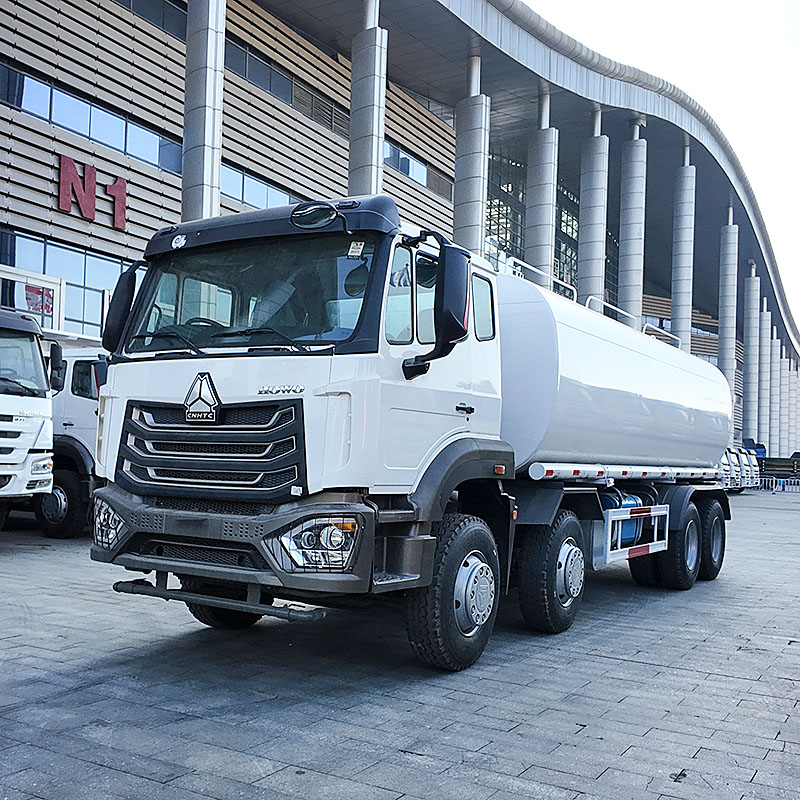
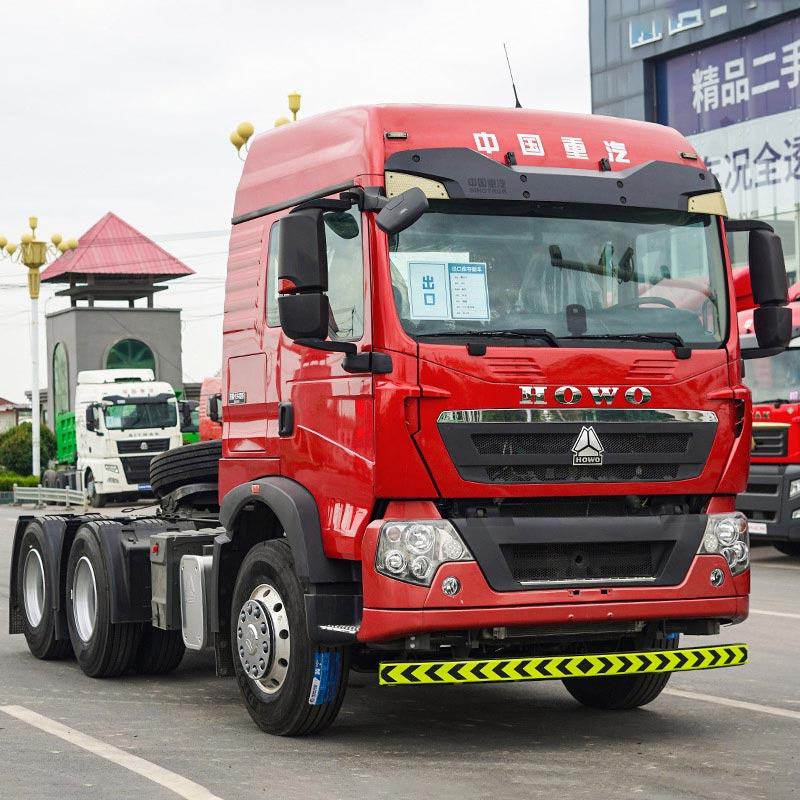
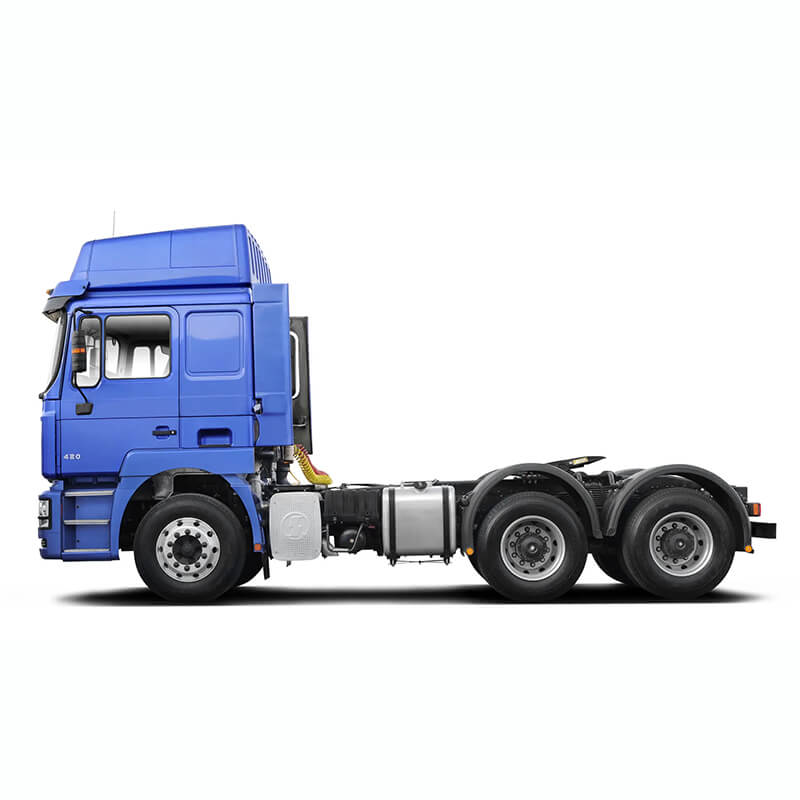
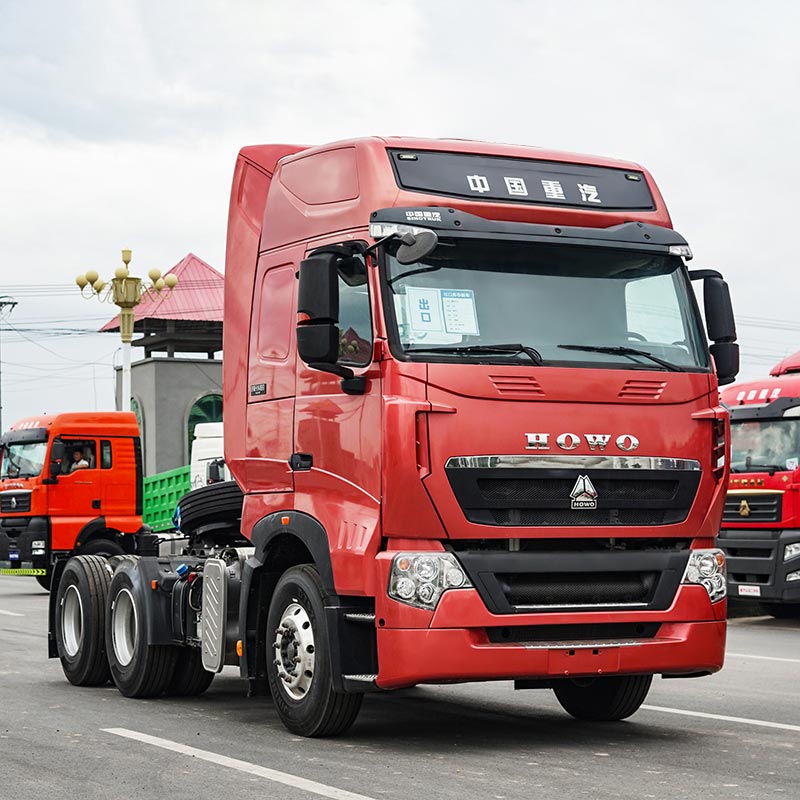
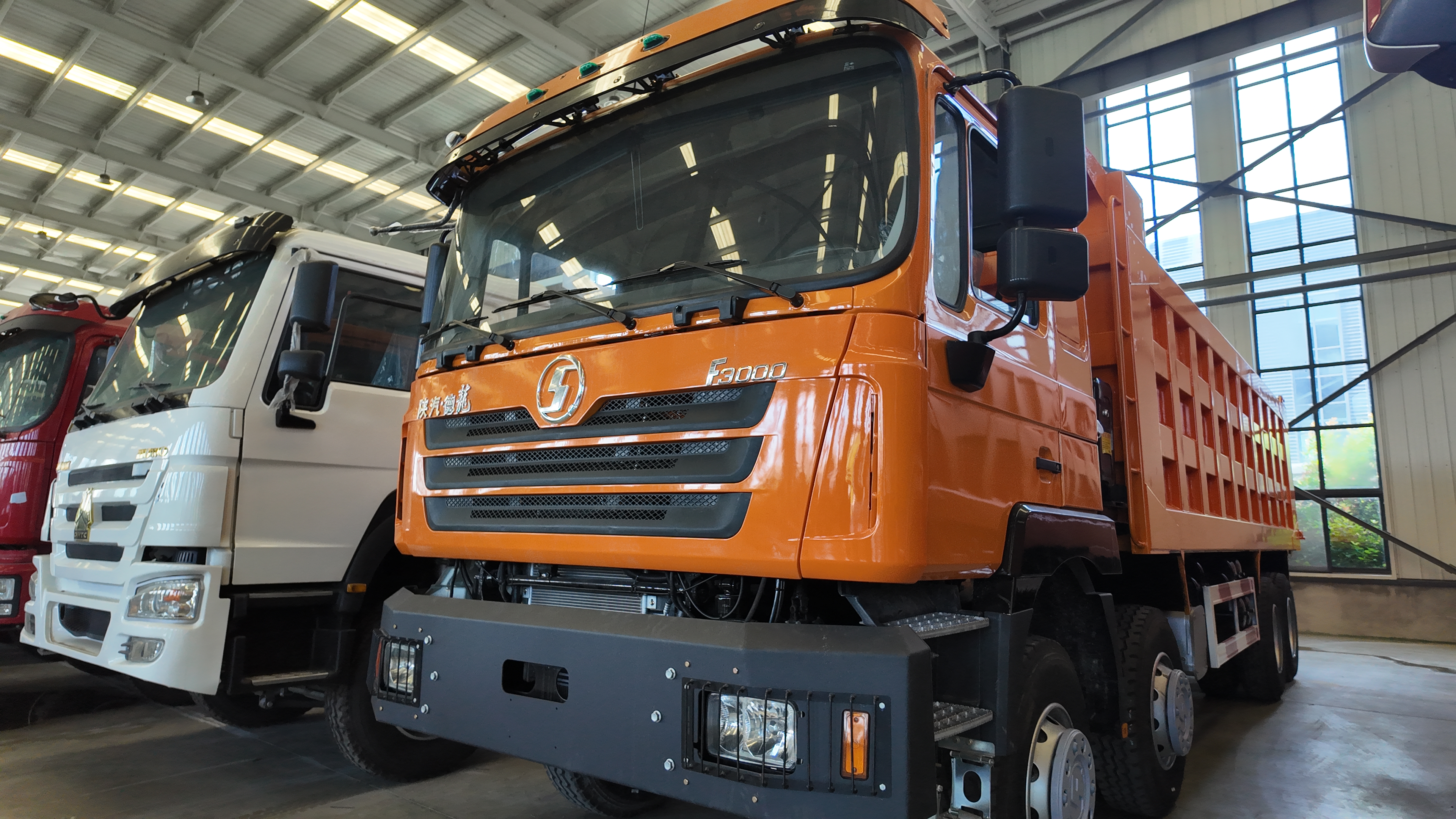
Cotonou serves three demand streams at once: Benin domestic construction and cotton logistics, bonded transit fleets heading to Nigeria and the Sahel, and dealers who warehouse stock at the port for spot sales. Chinese used HOWO and Shacman dump trucks and tractor units dominate because parts are cheap and any mechanic along the corridor can repair them. As Nigerian port congestion persists and Ghana and other neighbours tighten age rules and conformity requirements, Cotonou is positioned to take an even larger share of regional used-truck inflows through 2026.
Bottom line
For importers priced out of stricter markets, Benin offers the most flexible entry in West Africa: no age limit, straightforward ECOWAS tariffs, and a bonded route into the regions largest market. The trade-offs are the 20%+18% duty stack on local clearance, the mandatory broker for commercial volumes, and the need to match steering side and compliance to the final destination before you order.