
Kazakhstan vs Uzbekistan vs Kyrgyzstan for Used Trucks 2026: Which Door Fits Your Fleet
Central Asia pulls Chinese trucks three ways: Kazakhstan taxes by age bracket and steers heavy imports into the legal-entity channel, Uzbekistan waives duty on young Euro 5 tractors until end-2027, and Kyrgyzstan stays the low-friction entry with mountain-pass logistics. This decision guide compares duties, emissions floors, certification and corridors across the three markets - and matches each buyer profile to the right door.
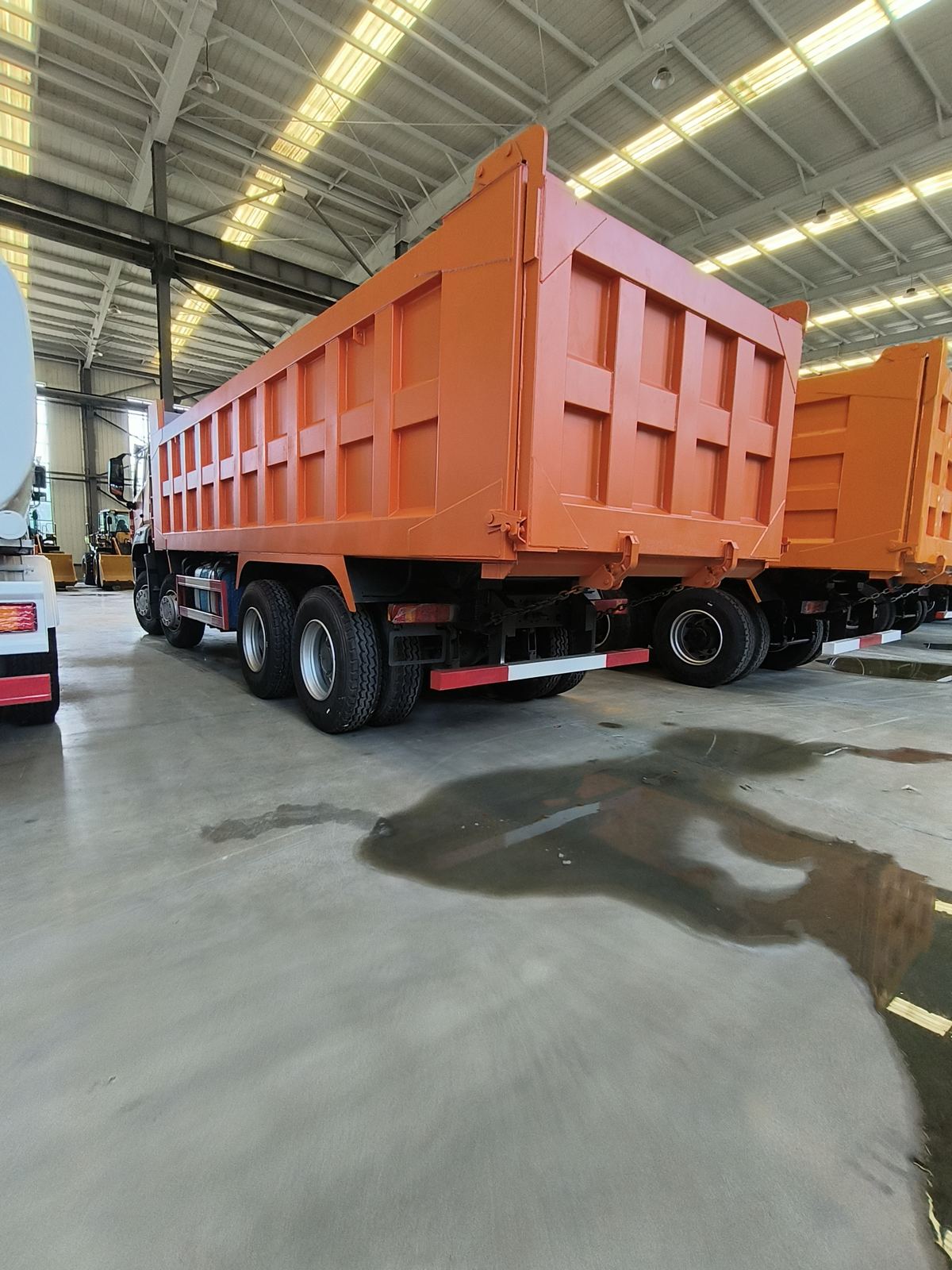
Central Asia is now fully mapped on this site. The Kazakhstan guide and the Uzbekistan guide covered the two big markets this week, and today's Kyrgyzstan guide completes the triangle. Why the region matters: while China's domestic heavy truck market keeps sliding, the October export data confirmed land-border markets pulling volumes - and the three economies directly north-west of Xinjiang are the closest such market of all. This page compresses the three guides into one decision: which door fits your fleet, your budget and your risk appetite.
The three doors in one view
Kazakhstan is the volume door: the largest economy, real mining and oil-sector demand for tractors and dump trucks, no fixed age limit - but a full cost stack of age-bracketed duties, a 16 percent import VAT since 2026, a weight-based recycling fee, and two 2025 rule changes (the September EPTS update and the October SBKTS restriction) that steer heavy truck imports into the legal-entity channel. Uzbekistan is the incentive door: a presidential decree waives customs duty and the utilisation fee on Euro 5 tractors under five years old until 31 December 2027, while the base rules keep a hard Euro 4 floor, mandatory left-hand drive, and a fee that jumps two to four times once a truck passes three years from manufacture - plus the unresolved medium-truck restriction that remains the region's biggest trap. Kyrgyzstan is the low-friction door: EAEU paperwork without Kazakhstan's tightened private channel, a Euro 4 floor, 12 percent VAT, a one-time recycling fee, and mountain-pass logistics that reward flexible timing.
One union, two systems
Kazakhstan and Kyrgyzstan share the EAEU frame - the same common tariff logic and the same SBKTS/EAC conformity certificate family we detailed in the Belarus guide. Uzbekistan runs a national system with its own certification waiver under the decree. That split matters for planning: a chassis model that already holds an EAEU type approval saves weeks in both EAEU markets, while an Uzbekistan shipment follows Tashkent's own lab route - which is why the decree's temporary certification waiver for European-standard trucks is worth real money and real weeks.
Age, emissions and the fee stacks
None of the three publishes a hard age ban on trucks - cost does the filtering. Age brackets drive duties in Kazakhstan and Kyrgyzstan; Uzbekistan's utilisation fee doubles or quadruples past three years from manufacture. Emissions are the second filter: Euro 4 is the practical floor everywhere, and Euro 5 is what unlocks Uzbekistan's zero-duty window. The fees are where budgets break: recycling fees in the EAEU pair, the utilisation fee in Uzbekistan, and per-engine-size minimums that can dwarf percentage rates on low-value units. Cross-check the age dimension against the country age-limit table and the regime classification in the traffic-light guide before you pick a chassis.
Which door fits which buyer
Heavy fleets buying at scale - mining, construction, oil services - fit Kazakhstan: the demand is deepest, and the legal-entity channel is a formality for companies rather than individuals. Fleet renewals with young Euro 5 tractors and a deadline before 2028 fit Uzbekistan's window; older units still clear under the base rules, but budget the fee jumps. First-time buyers, test orders and traders staging for re-export fit Kyrgyzstan: the lightest entry cost, the softest paperwork, and a market that has historically fed units onward into the region. Whichever door you choose, the routing follows it: rail through Khorgos or Alashankou serves Kazakhstan and onward Uzbekistan, while Kyrgyzstan takes the direct road passes - the trade-offs sit in our Central Asia logistics overview.
Three traps across all three doors
First, the paperwork must be one voice: invoice value, certificate description and contract wording that disagree invite valuation reviews or storage delays at every border in this region. Second, the fee stacks are the deal: quote with duties, VAT, and the recycling or utilisation fee all priced in - not the FOB number alone. Third, the medium-truck class question in Uzbekistan remains the single biggest trap in the market; confirm your truck class with a licensed broker before shipping. The operational basics close the loop: verify the unit against the inspection checklist, pay through the milestone structure, and take the warranty terms in writing. Do that, and the region the global trade data shows quietly absorbing Chinese trucks becomes the most predictable market on your map.