
Morocco vs Tunisia vs Algeria vs Libya for Used Trucks 2026: Bans, Caps and Ports
North Africa is four different doors for used trucks: Morocco and Tunisia admit young units behind Euro 6, RTI and licence bars, Algeria keeps trucks over 3.5 tonnes banned, and Libya keeps the widest age window with a two-administration twist. This hub compares age caps, ports, paperwork and payment risk across all four markets in 2026.
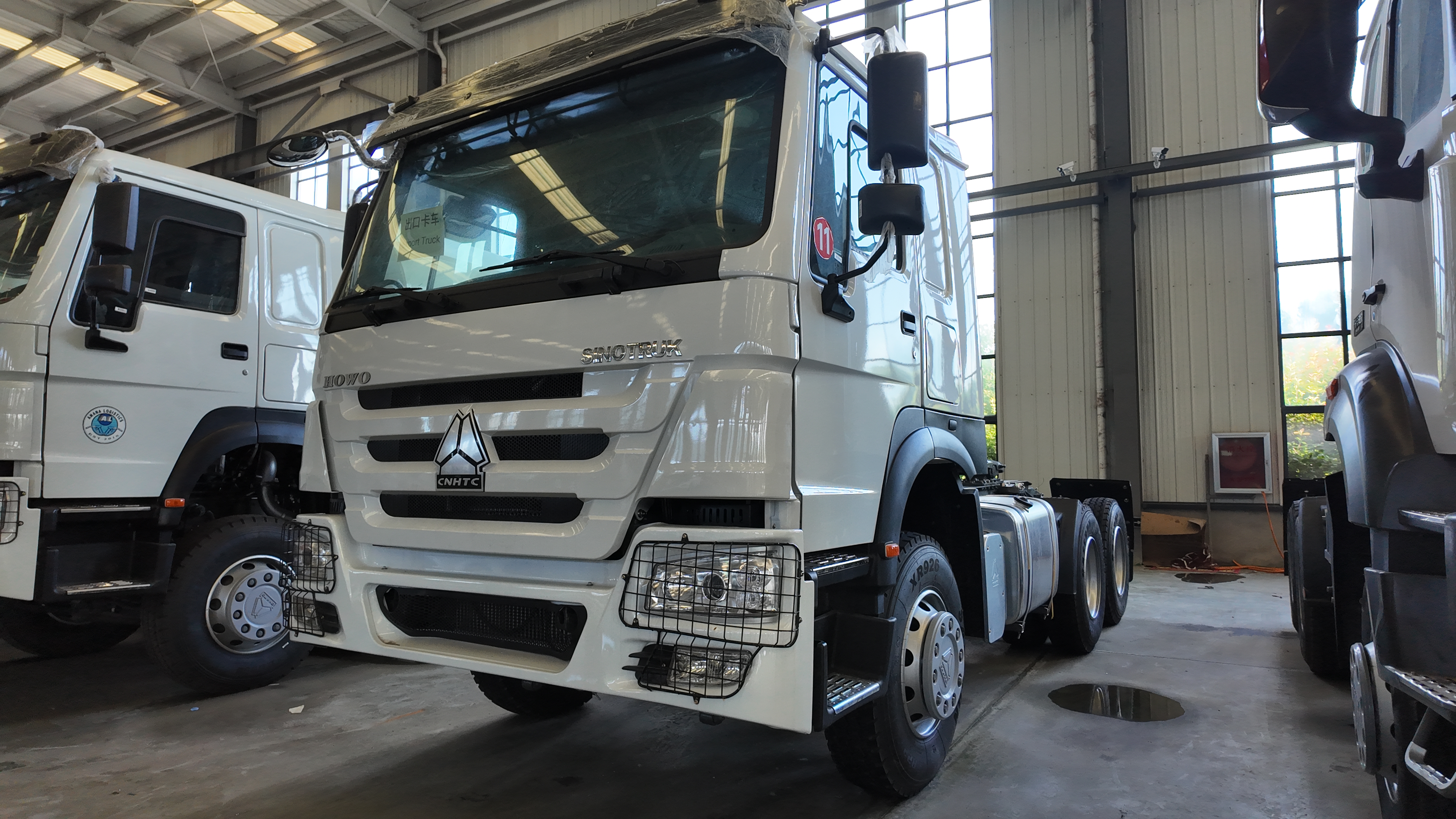
North Africa looks like one region on a freight map, but for a used truck buyer it is four different doors: Morocco and Tunisia let young trucks in behind strict technical bars, Algeria keeps heavy trucks out entirely, and Libya keeps the widest age window in the region while adding its own operational risks. This guide compares all four in one place - the age caps, the paperwork, the ports and the decision framework - and closes out our North Africa series alongside the Morocco import guide, the Tunisia guide, the Algeria rules and the Libya dual-customs guide.
The four rulebooks at a glance
Morocco is the strictest technical market: trucks face a five-year age cap, Euro 6 emission expectations and RTI homologation before registration, which pushes most buyers toward late-model units or new trucks under the FTA tariff line. Tunisia pairs its five-year cap with an import licence requirement, and Rades handles most of the vehicle traffic. Algeria is the hard border: the ban on used trucks over 3.5 tonnes has stood since the mid-2000s and still stands in 2026, so the legal fleet route runs through authorised new-truck dealers while only personal light vehicles up to three years old get the used exception. Libya is the opposite corner: the age window is the most permissive in the region - the GNU-run western ports count about seven years from the VIN manufacturing year while eastern ports have historically applied seven to ten years (confirm the prevailing cutoff at booking) - but the truck clears through the LNCSM CoC at USD 150-400 per unit, an ACI number generated 48 hours before loading, a letter of credit that takes two to six weeks at the central bank, and a dual-administration landscape that decides which port can register your unit.
Which door is actually open
The first filter is what you are buying. A five-year-old tractor for Morocco or Tunisia exists, but supply is thin and bidding is competitive; most shipments are late-model units whose landed price approaches new-truck territory. Algeria leaves no used door for anything above 3.5 tonnes, so the real comparison there is between Chinese new tractors and nothing else - a fleet decision, not a used-truck decision. Libya leaves the widest door for tippers and tractors well beyond five years, and reconstruction demand on both sides of the country keeps buyers active; the risk is not the age cap but the payment and routing stack. If your fleet needs units older than five years, Libya is the realistic North African answer - or, on the Atlantic side of the continent, the corridors we compared for Ghana vs Cote d'Ivoire. If you can source young units, Morocco and Tunisia reward you with the smoothest registration systems in the region.
Ports and paperwork side by side
Morocco: Casablanca and Agadir, RTI inspection evidence and Euro 6 documentation in the file. Tunisia: Rades, the import licence secured before shipment, a standard customs pack. Algeria: the northern ports serve new vehicles only - no used heavy truck clears them in 2026. Libya: Misrata is the default vehicle port with the deepest commercial-vehicle handling, Khoms relieves Tripoli 60 kilometres east, and Benghazi or Tobruk serve the eastern administration - booking the wrong side can strand your unit outside its registration zone. In all four, the logic from our import rules master table holds: conformity evidence and clean B/L details decide clearance speed far more than the freight rate you negotiated.
How to decide in one pass
Rank your constraints. If registration infrastructure and emission compliance decide, Morocco wins on systems but loses on the five-year cap. If you want the lowest legal-age risk with conventional Mediterranean logistics, Tunisia is the middle path. If you can only buy new, Algeria's dealer channel is the only legal door - benchmark it against the rule stacks in the Gulf hub and the FTA math in the Latin America hub. If your corridor runs toward the Sahel or Fezzan and the units are older, Libya's windows matter more than its risks - then manage those risks with the payment milestones from our payment guide and a broker who confirms the duty line before booking. Price benchmarks sit in the used truck price baseline, and whichever market you choose, the pre-deposit inspection checklist is the step that protects the deal before a dollar moves.