
Financing Used Trucks from China in 2026: Leasing, Hire Purchase and Bank LTV Rules
Cash is no longer the only route to a Chinese used truck. OEM cross-border finance packages, hire purchase with under 20 percent down and local bank lending against used HOWO units arrived in 2026. A practical guide to deposits, letters of credit, leases and LTV rules.
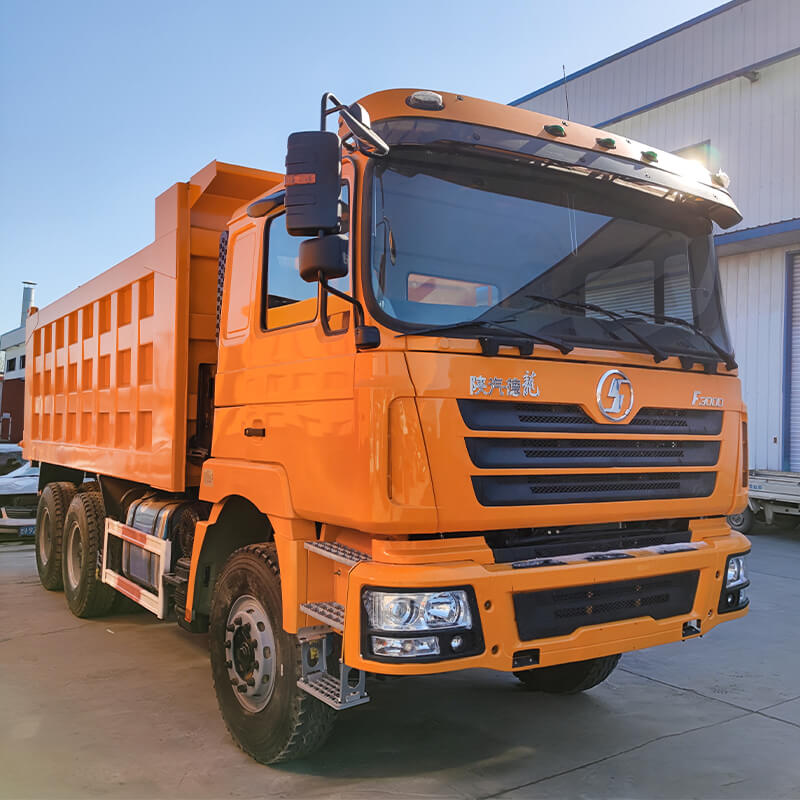
Most used truck deals out of China still close the old way: around 30% deposit, balance against shipping documents. But 2026 is the year financing stopped being a new-truck-only privilege. Shacman upgraded its cross-border finance package in Q2 2026, South African banks now publish loan-to-value rules for used HOWO tractors, and lease-to-own structures are spreading through African distributor networks. This guide maps the four funding routes and the fine print that decides whether they save you money or trap you. For the underlying payment structures and fraud checks, start with our payment methods and anti-scam guide.
Route 1: Deposit plus balance against documents (still the default)
The professional standard in China-Africa and China-Middle East truck trade is a deposit around 30% with the balance paid against shipping documents. Milestones matter more than percentages: deposit at contract, proof of reconditioning before the second payment, third-party inspection before the balance, documents in hand before the final transfer. Never pay 100% before shipment on a first order with a new supplier - and treat exporter reluctance to accept documentary instruments as a warning sign in itself.
Route 2: Letters of credit for larger orders
For orders above roughly $100,000, a letter of credit through your bank remains the cleanest instrument: the bank pays against documents, not trust, at a cost of about 1-2% plus bank fees. The discipline is document matching - invoice, bill of lading, inspection certificate and VIN list must align exactly, which is also your protection against substitution at loading.
Route 3: OEM and distributor finance (the 2026 shift)
Shacman's updated overseas finance program (per the company's announcement) illustrates what is now on the table:
- Letter-of-credit supported deferred payment terms of up to 180 days for owner-operators and small fleets.
- Hire purchase plans with initial outlay under 20% of vehicle value, with credit risk shared alongside official export credit insurance institutions.
- Operating leases bundling maintenance, genuine parts supply and telematics monitoring into a fixed monthly fee, with preferential buyout at term end - the structure behind reported batch X6000 lease orders in Uzbekistan and Kenya in Q2.
- Discounted rates and extended repayment cycles for LNG, CNG and battery-electric vehicles.
- Multi-currency settlement with forward exchange lock, hedging the currency swings of a long production and delivery cycle.
Industry analysis cited in the release puts the global commercial vehicle financing market at about $123 billion in 2026, growing around 6.8% annually, with demand for customized long-term repayment plans up 24% year on year (reported). Availability varies by market and channel - ask your exporter which OEM programs are active in your country, and get the terms in writing before you reorder your cash plan around them.
Route 4: Local bank asset finance
South Africa shows how local banks treat Chinese trucks (figures from market guides, reported): new HOWO units bought through the authorized distributor channel are accepted by major asset financiers at roughly 80-90% loan-to-value; used HOWO units at 65-75%; grey-import units without local approval are generally declined outright. The residual-value gap is real - a 3-year-old HOWO A7 holds about 45-52% of its purchase price versus 58-65% for a comparable European tractor, and the gap widens at five years. Bank finance therefore favors shorter tenors and authorized-channel paperwork. The cheapest insurance is a complete maintenance file, which is exactly what our warranty and aftercare guide tells you to demand from day one.
What documentation does to your financing cost
Lenders price uncertainty. A truck with dated maintenance records, inspection reports and - for electric units - a battery state-of-health certificate is easier to underwrite, and OEM lease programs increasingly read telematics data as part of credit review. The same document chain that protects you at delivery is the file a finance partner will ask for - see our supplier transparency report for the exact list, and the fleet-regular sourcing trend in our 2026 export data report for why financed fleet stock is getting easier to buy.
Currency risk
Trucks are invoiced in US dollars; your revenue usually is not. A forward lock - through the exporter's multi-currency settlement or your own bank - converts a delivery-cycle risk into a known cost. Keep first-order tenors short, and avoid financing structures that assume currency stability you cannot verify.
Red flags in financing offers
- Guaranteed approval offers from intermediaries with no verifiable lender behind them.
- Finance packages used to push units priced far above our FOB benchmark table.
- Requests to route payments through personal accounts or unrelated third parties - recheck the seven red flags in our payment guide.
Action checklist
- Compare total landed cost including financing, not FOB prices - use the 2026 price benchmark.
- Ask which OEM finance or lease programs are active in your market, and request written terms.
- Start with 30/70 milestones on any first order, whatever the financing pitch.
- Keep every maintenance and inspection record - it is your residual value and your collateral file.
- Buying electric? Demand the SOH certificate before you sign anything - see the EV buyer guide.
Where you buy is changing too: the new Yantai port platform lists finance among its one-stop services, which may shorten the paperwork path for northern fleet-regular stock - see the Yantai-Abu Dhabi port partnership report.