
Mali Used Truck Import Guide 2026: UEMOA Duties, Dakar vs Abidjan and Gold-Mine Demand
Mali buys its trucks through Dakar and Abidjan, not its own ports. This guide covers the UEMOA duty stack on a Bamako clearance, the LHD rule and age thresholds reported between 8 and 10 years, the ECTN and CoC paperwork, the Dakar vs Abidjan gateway choice - and the gold-mine demand behind the Bamako used truck market.
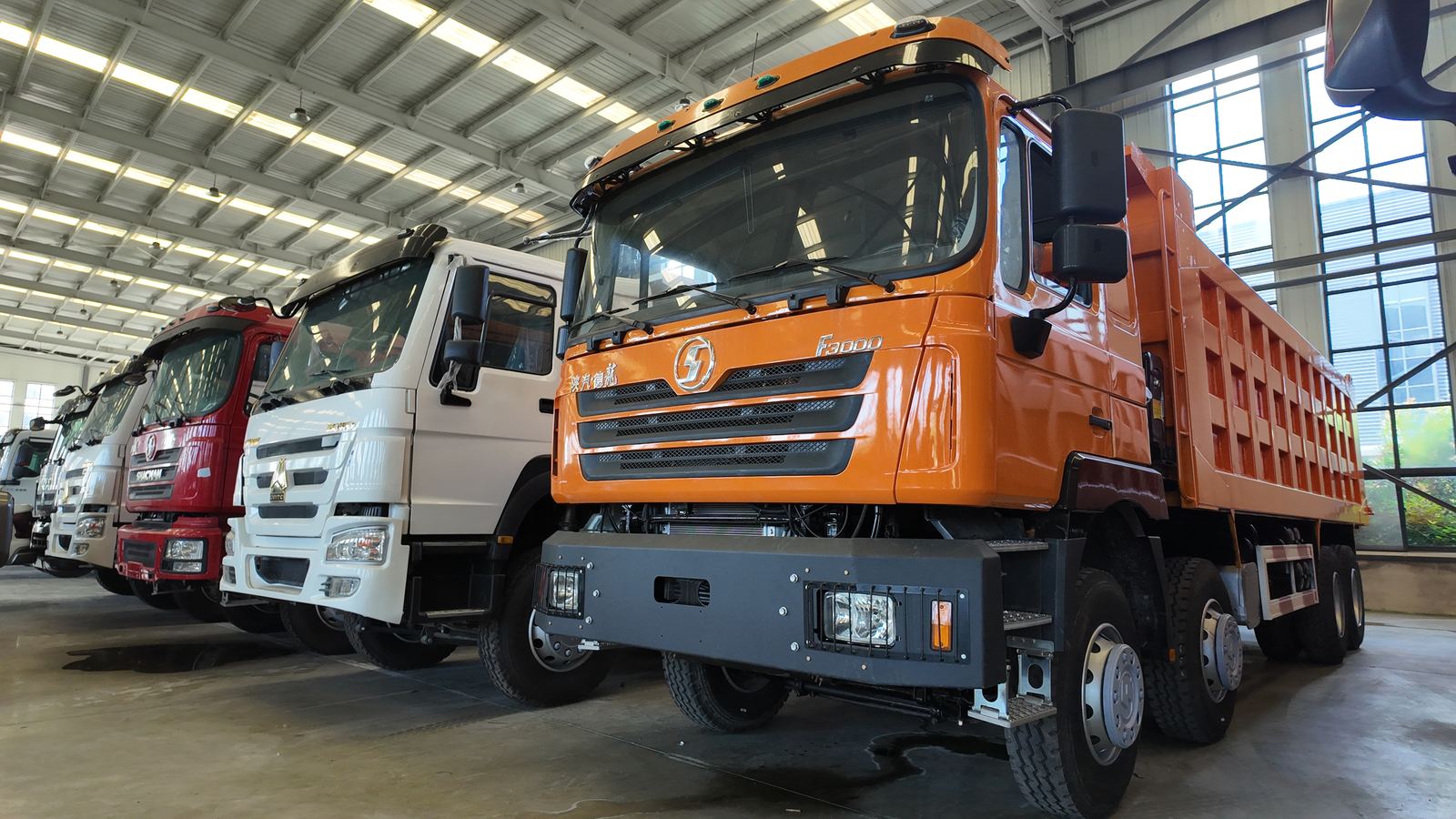
Mali is the western anchor of the Alliance of Sahel States: landlocked, francophone, and supplied entirely through coastal transit corridors. We covered Burkina Faso, its AES neighbor, in our Burkina Faso guide, and the TRIE bonded transit mechanism in our Cotonou transit explainer. This guide is the destination view for Bamako: the duty stack Mali customs actually apply, the vehicle rules, the paperwork chain and the gateway choice between Dakar and Abidjan. Demand context first: Mali produced 72.2 tonnes of gold in 2025, the third-largest output in Africa (dealer-side market reporting, reported). Large mines such as Fekola, Sadiola and Loulo-Gounkoto run Caterpillar and Komatsu rigs, but the small and mid-size contractors that haul ore and overburden around them run Chinese trucks - and the same fleets buying new units are the natural market for quality used dump trucks priced off our FOB benchmarks. A used HOWO 6x4 dump truck is the standard workhorse of that segment (reported).
The duty stack: UEMOA CET still runs the border
Mali sits in the UEMOA francophone customs union, and that is what keeps its tariff frame stable even as the AES states reorganize their ECOWAS relationship - the schedule the union published has continued to apply while the four-state customs integration we covered in the Burkina guide moves forward (reported). Dealer-side import guides put the stack for used commercial vehicles at roughly 20 percent customs duty on CIF for tariff category 3, a 1 percent statistical fee, a 1 percent community levy, a 0.5 percent regional levy and 18 percent VAT calculated on CIF plus duty (reported; confirm the current HS line with your broker before quoting). Their worked example: a used HOWO dump truck with a CIF Dakar value of 24,000 dollars carries about 10,500 to 11,000 dollars in duties and taxes, plus 1,500 to 2,500 dollars for the lowbed leg into Bamako - a total landed picture you can benchmark against the other West African gateways below.
Vehicle rules: LHD, age bands and the red list
Left-hand drive is the hard line: Mali drives on the right and right-hand drive units are refused. There is no mandatory Euro 4 or Euro 5 emissions gate - a notable contrast with the East African age-and-emissions walls in our age limits table - and routine small modifications face no ban as long as the unit is not salvaged, cut-and-shut, crash-burned or VIN-tampered, all of which are refused entry (reported). Age is the one number to nail down before you book shipping: sources disagree, with one clearance-side page citing 8 years since first registration for commercial vehicles, a trade-facing 2026 policy article citing a 10-year access standard, and another guide reporting no fixed age limit with age-based taxation instead (all reported). Treat the age ceiling as unconfirmed until your Bamako broker confirms it in writing, and screen candidates against the green, yellow and red lights in our global rules guide.
Paperwork: ECTN, CoC and the SYDONIA file
The document chain has two gates that kill shipments when missed. First, the ECTN/BESC cargo tracking note must be issued before vessel loading - no note, no clearance. Second, second-hand units move with a certificate of conformity backed by pre-shipment inspection at the load port (reported). On the Mali side the import declaration is filed through SYDONIA by a licensed broker, and because every routing runs through a coastal transit, the file also carries the transit bond and the Quitus Fiscal tax-clearance certificate for the overland leg (reported). Inspect the unit before you wire anything - our pre-payment inspection checklist covers the HOWO verification points - and structure payment so nothing large leaves your account before documents are in hand, per our payment safety guide.
Dakar or Abidjan: picking the gateway
Mali has no port, so the real routing decision is Dakar versus Abidjan. Dealer-side reporting puts Dakar at about 1,200 km to Bamako with a recently upgraded road and a predictable Kidira border crossing, against about 1,100 km via Abidjan where the Pogo crossing can congest and cargo theft is a live risk (reported). RoRo freight runs roughly 1,800 to 2,800 dollars to Dakar versus 1,600 to 2,500 to Abidjan, with 24-30 versus 22-28 days at sea, and overland trucking cost is similar on both legs (reported). The Cotonou corridor we mapped in our TRIE explainer runs about 1,810 km to Bamako, which is why Mali-bound cargo prefers the western gateways. If you are comparing a Tema or Lome landing for a Sahel delivery instead, our Tema vs Lome guide and the Abidjan rules in our Ivory Coast guide cover the alternatives; and for keeping the fleet running after arrival, the parts networks in our West Africa parts guide and the warranty terms in our after-sales checklist are the two levers that protect your margin.