
Sudan Truck Imports 2026: Age Limits, Duties and Post-War Rebuild Demand
Sudan pairs the region's biggest reconstruction demand with its least predictable import rulebook. Cargo trucks to ten model years stay legal while used passenger cars stay banned; age surcharges and a heavy duty stack shape the quote. The 2026 Jeddah backlog shows how fast rules move - this guide covers the rules, the taxes and Port Sudan planning.
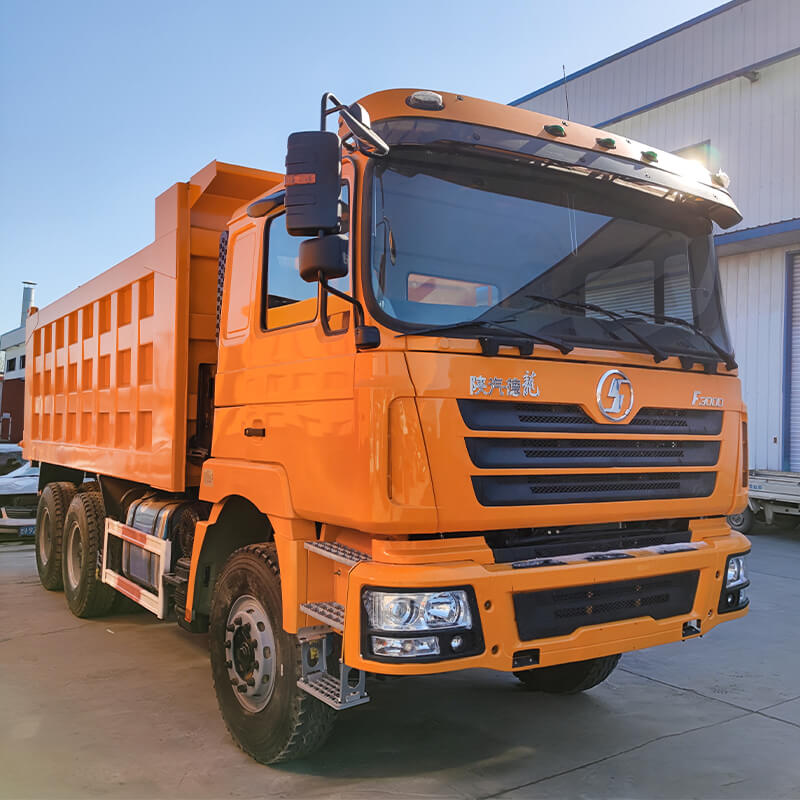
Sudan combines the region's largest reconstruction demand with its least predictable import rulebook. Cargo trucks up to ten model years remain legal to import while used passenger cars stay banned, the tax stack is heavier than its neighbours', and 2026 already delivered a hard lesson in how fast the rules can move: three vessel-loads of vehicles were sent back from Jeddah under a sudden cabinet decision. This guide sets out what is allowed, what it costs, and how to plan around Port Sudan - and it is the northern complement to two Horn neighbours already covered here: Ethiopia's fuel-vehicle ban and South Sudan's no-age-limit regime. Three bordering markets, three completely different rulebooks.
What the 2026 rules allow
The cabinet decision regulating imports, implemented through the expatriates authority, keeps the ban on used passenger cars and adopts the model year - not the year of manufacture - as the age measure. Cargo trucks of all load capacities (excluding pickups) may be imported up to ten model years old; commuter buses of ten seats or more up to five years; pickups are treated as passenger cars at up to seven years; and specialised vehicles under HS heading 8705 may enter at up to ten years but cannot be sold, mortgaged, exchanged or gifted for two years after entry. Only left-hand-drive vehicles are admissible, and written-off, accident-damaged, flood-damaged or non-standard assembled units are barred outright. These provisions come from the Sudanese regulations as reported by Sudanese media; confirm the prevailing text in writing with Sudanese Customs or a licensed clearing agent before committing a vessel.
What it costs
The duty stack is substantial (industry accounts; verify current rates with your broker): around 35 percent import duty on combustion commercial vehicles - 5 percent for pure electrics - plus 10 percent VAT, 10 percent consumption tax and 2 percent wharfage. On top sits an age-graduated surcharge, reported at up to 25 percent of CIF for heavy trucks in the five-to-ten-year band, which makes the difference between a six-year-old and a nine-year-old unit a real pricing line. Quote with the used truck price baseline first, then add the stack, and let the milestone structures in the payment guide keep cash protected until customs release.
The Jeddah backlog lesson
In 2026 the government tightened vehicle import rules with no transition window: three vessel-loads were turned back from Jeddah, more than ten thousand vehicles accumulated there awaiting shipment, and clearance agents at Suakin Port reported return freight of about 2,500 Saudi riyals per vehicle plus daily storage. Units already at Sudanese ports above the new age limits got a narrow relief valve - clearance on payment of a fine equal to half the vehicle's value within sixty days. The operational lesson matches the East Africa port comparison: lock the rulebook in writing before the vessel sails, not at the quay.
Port Sudan and the rebuild pipeline
Demand is not hypothetical. The Arab League and Sudan announced a structured reconstruction plan in July 2026 with transport as a core pillar, and the infrastructure ministry has presented a portfolio covering roads, bridges, railways, seaports, river ports and dry ports. Industry reports describe Chinese financing for railway restoration toward a 350,000-tonne monthly cargo capacity, an agreement with an Abu Dhabi consortium for a new Red Sea port north of Port Sudan, and corridor works on Haiya-Atbara-Port Sudan - the axis that feeds everything else (all reported; project timelines shift). Aggregate haulage from inland quarries to the coast and mine-site work in the Red Sea Hills are the workloads that absorb 6x4 and 8x4 dump capacity first.
What buyers should do
Buy the paperwork before the truck: written confirmation of the current age rules and model-year arithmetic from Sudanese Customs, a left-hand-drive unit with genuine documentation verified per the pre-purchase verification checklist, and a delivery plan that assumes Port Sudan congestion. Anchor the warranty clock to the B/L date per the warranty guide, since port and inland time can eat a warranty window fast. And because the import rulebook has shifted more than once in three years, re-read the master checklists in rules part one and part two before every quote - Sudan in 2026 is the clearest case yet that a rulebook is a dated document, not a constant. Buyers weighing electric units can revisit the used EV export outlook: the 5 percent duty line is the one genuine incentive in the current stack.