
Djibouti Used Truck Guide 2026: Bonded Stock, Age Conflicts, Ethiopia Rules
Djibouti lives a double life: a small domestic truck market and the bonded warehouse for Ethiopia, obeying different rules. Duty numbers come back as 10, 20 or 33 percent depending on the guide, age limits come back as 5, 8 or 10 years, and a fuel truck perfectly legal in a Djibouti free-zone yard can be seized the moment it rolls toward Addis Ababa. What the sources agree on, and what to confirm in writing before you load.
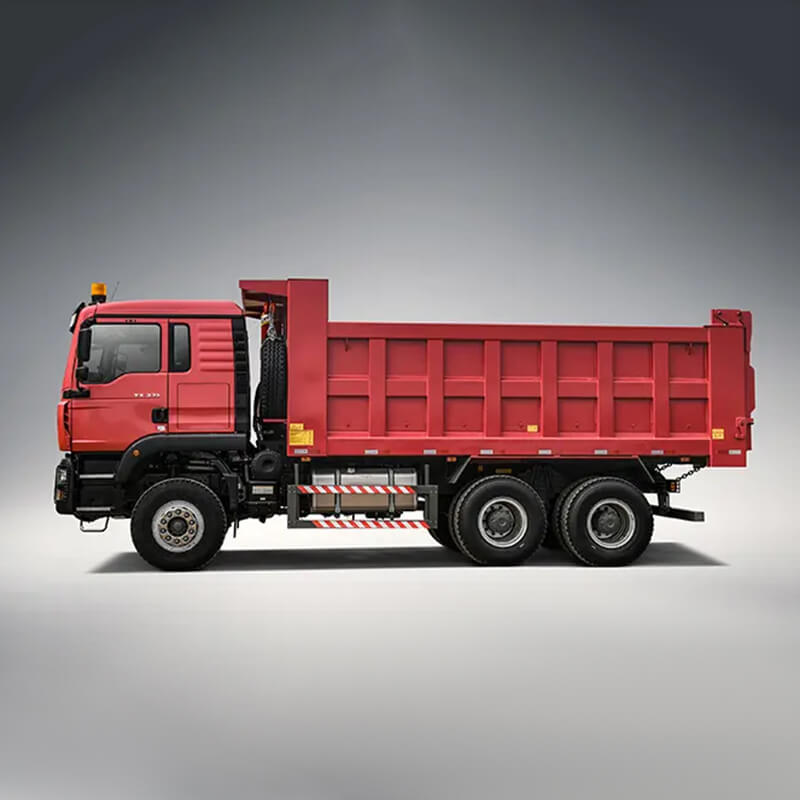
Nine in ten tonnes of cargo landing at the Port of Djibouti is bound for landlocked Ethiopia, which is why most guides treat the country as a corridor - our Ethiopia rules guide covers that corridor from the Addis side. But Djibouti is also a destination market in its own right, and a bonded yard where stock waits for regional buyers. Those are three different rulebooks, and mixing them up is how shipments get seized. This guide covers Djibouti itself: what the duty numbers actually say, why the age limit comes back as three different figures, and why a truck that is fully legal inside a Djibouti free-zone warehouse can still be contraband one kilometre into Ethiopia.
Duty and VAT: one consistent number, three competing stories
The only figure every source agrees on is the VAT: Djibouti applies TVA at 10 percent on the duty-inclusive value. Above that the guides disagree sharply. One vehicle-export desk describes a flat 10 percent import duty on all vehicles regardless of powertrain, with no displacement excise and no separate purchase tax; a freight-forwarder routing guide puts vehicles and luxury goods in a 20 to 33 percent duty band; and a clearance-focused overview quotes commercial vehicles at 5 to 20 percent plus the 10 percent TVA. Part of the spread is HS-line dependent and part of it is stale or rounded numbers. The practical consequence is mechanical: do not budget from any single table - get the exact HS line and an itemized written estimate from a licensed clearing agent before committing, and treat every duty figure online as a hypothesis to verify.
The age limit: 5, 8 or 10 years depending on who you ask
This is the most contested rule in the market. One current export guide states a five-year red line for used fuel and plug-in hybrid vehicles, with a separate eight-year ceiling plus a document-of-conformity requirement for pure electric units. A relocation guide applies an eight-year limit to trucks of 3.5 tonnes and above. A clearance desk describes commercial vehicles over 10 years facing discretionary extra scrutiny or refusal. Three sources, three numbers, and no consolidated official table an exporter can cite - so the standing advice applies with full force: get the current age rule for the exact VIN in writing from the clearing agent before the vessel is booked. Steering is not contested: traffic drives on the right and right-hand-drive vehicles are prohibited and strictly refused - one clearance guide that says otherwise is simply wrong on this point, and the practical rule is left-hand drive only.
ECTN, SYDONIA and the document-first culture
Djibouti clears paper before it clears steel. An ECTN cargo tracking note must be filed before the vessel departs, with fines reported up to USD 2,500 per shipment for a missing certificate and cargo held until the note is produced. The import declaration goes through SYDONIA and must carry VIN, engine number, brand, model, year and intended use. Valuation runs on the customs-assessed figure with reference valuation tables for vehicles, and all vehicles - new and used - are taxed. The forwarder culture on this route is document-first to an unusual degree: consignee names must match exactly between bill of lading and the entity clearing customs, invoice values that diverge from the declaration trigger inspection with penalties reported at 1 to 3 percent of declared value, and one routing guide describes documentation checks applied to every consignment. None of this is exotic; all of it is unforgiving.
Bonded stock is not free circulation
The free-zone logic is real: vehicles can sit in bonded storage after arrival without immediate tax payment, which makes Djibouti a natural stockpiling and distribution point for regional buyers. But bonded status defers duty - it does not waive destination rules. If a fuel truck rolls out of the bonded yard toward Ethiopia, Ethiopian law applies at the border, and Ethiopia currently refuses fuel and range-extender vehicles entry across the board; reports describe vehicles seized or confiscated at the boundary even when every Djibouti-side document was perfect. Transit cargo moves under the Djibouti-Ethiopia transit agreement on a bank guarantee or customs bond, which is different paperwork from a local sale. The 752-kilometre standard-gauge railway has carried freight between Addis Ababa and Djibouti since 2018, but rail schedules do not override import prohibitions. Product selection for any Djibouti-plus-Ethiopia plan starts from the Ethiopian ban, not from the bonded convenience.
Costs that surprise first-time buyers
Two practical items round out the budget. First, every vehicle passes a pre-registration technical inspection at an authorized center - fees reported in the DJF 15,000 to 30,000 range (about USD 85 to 170), two to five working days, a 14-day repair grace period and a re-inspection fee if it fails. Emission expectations start at Euro 2, with cleaner engines reported to clear faster. Second, demurrage: storage charges accrue while documents or duty payments are pending, and buyers regularly find they can exceed the duty itself on a consignment that sits. Agree in advance who funds the assessment and when, demand an itemized written breakdown - duty, TVA, port charges, agent fees, transport out of the port - and compare quotes on the full stack rather than the headline number. On the China side, our payment and fraud-prevention guide and the warranty and after-sales guide cover the contracts that keep those costs predictable.
Where Djibouti fits in an East Africa plan
For a buyer serving Djibouti city and its own economy the market is small but real: port logistics, a large military and diplomatic presence, construction and municipal water fleets. For a regional distributor the honest framing is that Djibouti is a bonded door, not a loose hub - the yard is useful, but the rules travel with the truck. Compare the alternatives before committing: our Mombasa versus Dar es Salaam port comparison and the three-corridor routing hub cover the established East African entries, the Kenya guide shows the RHD contrast, and the Tanzania guide the softer age regime. For stock, Horn of Africa buyers most often shortlist the Shacman F3000 450hp tractor and the Shacman Delong F3000 380hp tractor.