
Kazakhstan Used Truck Import Guide 2026: EAEU Duties, SBKTS Rules and the EPTS Update
Kazakhstan sets no fixed age limit on imported used trucks, but the real gates are cost and paperwork: age-bracketed EAEU customs duties, a 16 percent import VAT since 2026, a recycling fee that climbs with weight and age, and new rules that steer heavy truck imports into the legal-entity channel. This guide walks through the September EPTS update, the full cost stack, certification and the Khorgos and Caspian corridors.
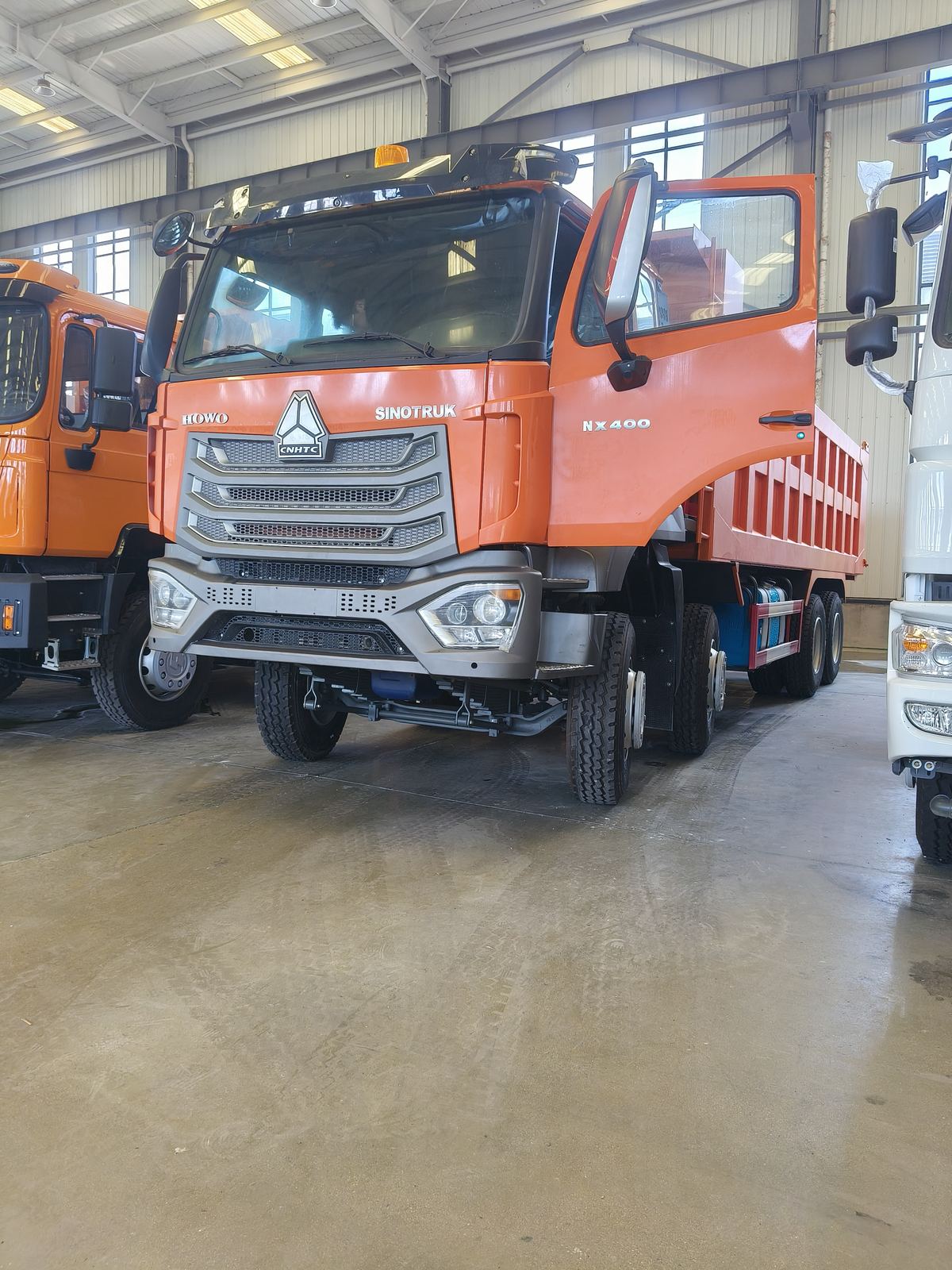
Kazakhstan is the largest economy in Central Asia and, as the October export data confirmed, one of the regions pulling Chinese heavy truck exports upward alongside Africa and Latin America (October 2026 export line). For used truck buyers it sits inside the Eurasian Economic Union, so the certification frame is the same one we mapped in the Belarus EAC guide - but the cost stack and the registration paperwork differ in ways that changed materially during 2025. The headline rule is simple: there is no fixed age limit on used trucks. The real gates are money and documents.
The cost stack: duties, VAT and the recycling fee
Three layers sit on top of the vehicle price. First, EAEU common customs duty, applied in age brackets - roughly 15 percent for trucks up to three years old, 20 percent for three to five years and 25 percent beyond five years, each with a minimum charge per cubic centimetre of engine displacement (reported; the bracket structure is confirmed by multiple export guides but the exact percentages came from a single truck-guide source, so confirm your HS line with a licensed broker before quoting). Second, import VAT: 16 percent since 2026 under the updated tax code, up from the legacy 12 percent (GTAI and export guides agree on the 2026 figure). Third, the recycling fee, which scales steeply with weight and age - around 4.4 million tenge for trucks in the 20-50 tonne range (reported), with HS 8704 trucks charged at 50 MRP multiplied by a weight coefficient. Add the first registration fee and the total is why experienced buyers model the whole stack against the price benchmarks before negotiating, and structure payment around the milestone method so cash moves only when documents do.
The EPTS and SBKTS changes: legal entities step in
The paperwork side shifted twice in quick succession. From 26 September 2025, under the revised electronic passport (EPTS) rules, labs only accept private imports of vehicles up to five years old for personal use; an EAEU-origin vehicle over five years gets an EPTS marked unfinished and cannot pass first registration. Individuals may import one car per year for personal use, taxed at 48 percent of value or 1.5 euro per cc, while legal entities clear under OTTS type approval at 15 percent (Kazinform, official). Separately, since 20 October 2025 the SBKTS vehicle design safety certificate is no longer issued to private individuals for trucks over 5 tonnes and tractor units at all - buyers must be legal entities (GTAI). Together these two changes push heavy truck imports firmly into the corporate channel. Note the recycling fee documents must now be handled inside customs supervision before the declaration is filed, and the transport ministry proposal to impose Euro 5 plus a five-year cap on private imports is still only a proposal, not law.
Certification and clearance paperwork
Practically, a truck entering Kazakhstan needs EAC conformity under the TR CU framework, ERA-GLONASS emergency response capability (mandatory since 2019, as covered in the Belarus guide), and Euro 5 emission evidence in most clearance scenarios. Clearance must be filed by a Kazakhstan-registered entity or a licensed customs broker, with invoice, contract and transport documents in Kazakh or Russian - and the invoice-contract-truck description must match exactly, the same red line we flagged in the misdeclaration seizure piece. Skewed paperwork is the most common cause of a truck stuck at Khorgos.
Routing: Khorgos rail or the Caspian corridor
Kazakhstan is landlocked, so the ocean-freight math in our Africa guides does not apply. Two corridors dominate: rail and road through the Khorgos gateway on the Chinese border, and the trans-Caspian route through Aktau for traffic continuing west. The corridor logic is the same one we laid out for landlocked Africa in the three-corridor comparison: pick the route by destination, budget and season, and remember that rail-bound trucks need securement and battery documentation.
Buyer checklist for Kazakhstan
Before you wire a deposit: set up or partner with a legal entity, since the SBKTS route now requires it; confirm the duty bracket and per-cc minimum for your exact HS line with a broker; demand Euro 5 and ERA-GLONASS evidence; run an independent pre-purchase inspection and agree a reconditioning grade in writing; tie payments to document milestones and the warranty clock in the after-sales guide; and settle payment rails for the region using the payment methods guide. Supply-wise, the Chinese brands dominating new registrations - SINOTRUK foremost, per the record export analysis - also anchor the used pool, which is what keeps the global used truck trade flowing into Central Asia. Kazakhstan rewards buyers who respect paperwork over price haggling: the age limit does not exist, but the cost stack is unforgiving to anyone who skips it.