
Truck Spare Parts in East Africa 2026: Nairobi and Dar es Salaam Compared
A truck that waits for parts earns nothing. East African fleets run mixed lineups of legacy Japanese and Chinese trucks, and the region has a deeper commercial vehicle parts ecosystem than most buyers expect: dense dealer clusters in Nairobi Industrial Area, Kariakoo and Keko in Dar es Salaam, and real coverage in Mombasa, Nakuru, Kampala and beyond. What is stocked off the shelf, what takes weeks, and how to plan a stocking budget before your truck ships.
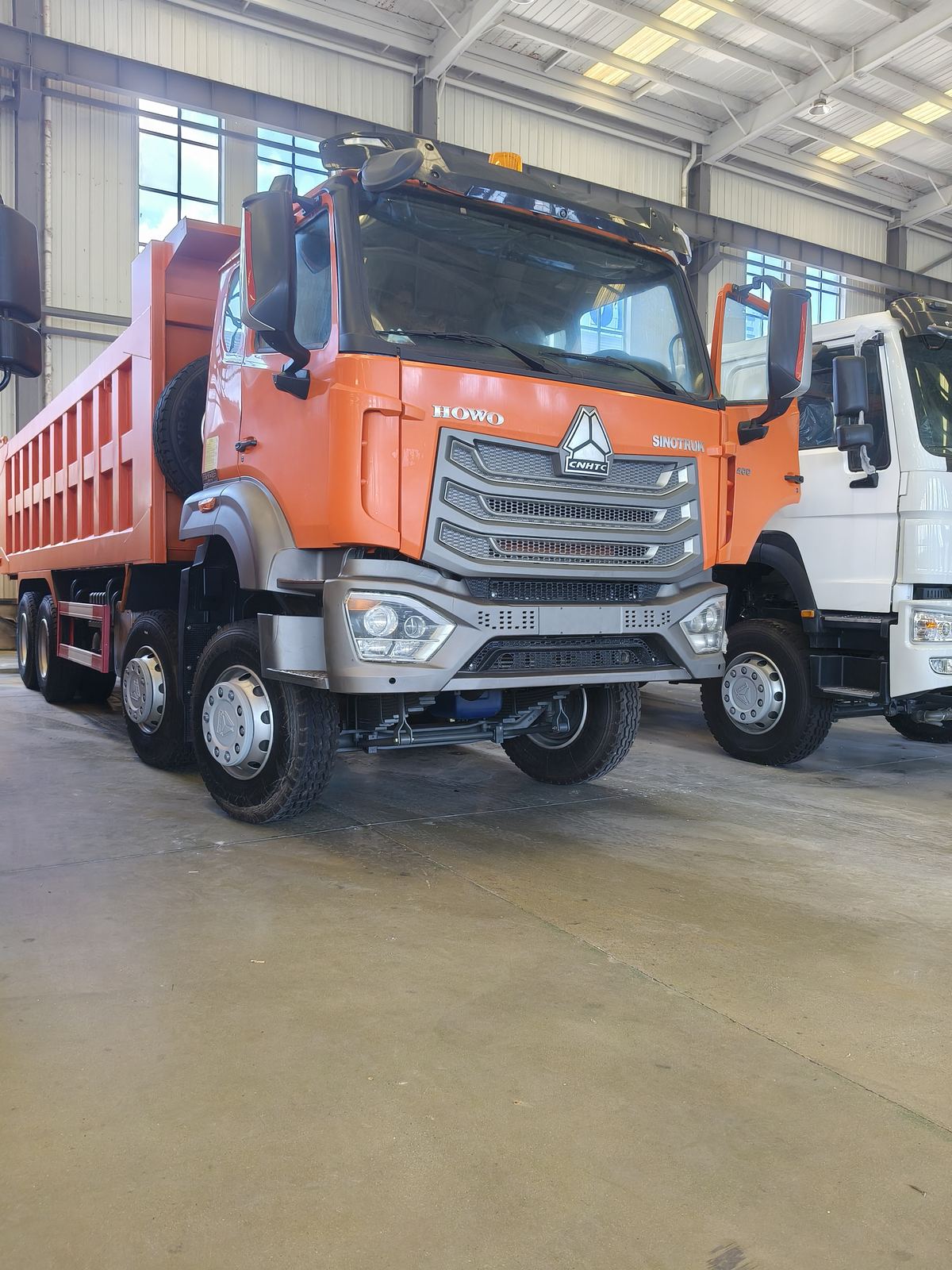
Downtime, not purchase price, is what separates profitable fleets from parked ones in East Africa, and parts availability is the biggest single lever on downtime. The good news from the ground: the region has a functioning, well-stocked commercial vehicle parts ecosystem - stronger than most first-time buyers expect. Nairobi Industrial Area hosts a dense cluster of dealers and importers serving Kenya and the cross-border trade, with established supply also in Mombasa, Nakuru, Kisumu and Eldoret; Dar es Salaam counters with the Keko area and Kariakoo Market, plus parts coverage in Arusha and Mwanza, for the trucks arriving through the two ports compared in our Mombasa vs Dar es Salaam guide. This guide maps what each hub stocks, what it does not, and how to budget for it - the East African twin of our West Africa pieces on the Ladipo and Abossey Okai parts markets and the Suame Magazine cluster in Kumasi.
What Nairobi and Dar es Salaam stock
Nairobi dealers carry parts for both the legacy Japanese fleet - Isuzu, Mitsubishi Fuso, Hino - and the Chinese brands now dominating new registrations, including SinoTruck HOWO, FAW and MAN ranges, with stock imported from Italy, Germany, the UK, China, Taiwan and the UAE (reported by Nairobi stockists). Typical Nairobi street prices give a useful yardstick: brake pads run about KES 3,000-8,000, clutch kits 15,000-45,000, radiators 20,000-60,000 and gearbox components 25,000-100,000 (dealer-published estimates, reported). In Dar es Salaam, HOWO, Shacman and FAW parts are widely available around Keko and Kariakoo, with upcountry delivery to Arusha, Mwanza and beyond arranged by suppliers; the buying basics for both markets are in the Kenya guide and the Tanzania guide.
The stocked-vs-not divide and a stocking budget
The ecosystem is deep but not infinite. Consumables and common wear items - filters, brake components, bearings, seals, clutch kits, belts and suspension parts - are generally available at short notice, while turbochargers, injection equipment, electronic control modules and specific gearbox internals may take 25 to 45 days from the factory (reported, single-source). Independent workshops can service Weichai WP12 engines and FAST transmissions without franchise support, which favors common platforms - one reason our F3000 450 vs HOWO 371 comparison weighs engine and gearbox commonality so heavily. Fleet operators plan around three layers: depot consumables for a full service cycle (roughly USD 5,000-9,000 for ten tractors), a critical spares kit of turbo, injectors, water pump, clutch kit and wheel-end parts (roughly USD 16,000-28,000 for ten tractors), and a rolling 45-day factory order for overhaul items (all reported, single-source estimates). Sea freight to Mombasa or Dar es Salaam adds 25-35 days port to port, one more reason the corridor choice in the corridor routing guide and inland legs through Uganda in the Uganda guide or South Sudan should be settled before parts planning.
Before you buy, verify the parts promise
Parts strategy starts before purchase, not after the first breakdown. Favor models whose consumables are already dense in your destination market, get the supplier parts commitment written into the contract alongside the warranty and aftersales terms, carry the onboard spare package, and hold payment back in milestones until the truck and its documents check out on arrival - the same discipline as our pre-deposit inspection checklist.