
Zambia Copper Haulage 2026: Million Tonne Push, Mopani Rebuild and Kasumbalesa Reality
Zambia mined a record 890,346 tonnes of copper in 2025 and targets one million in 2026. KCM, Mopani and Kansanshi expansions mean haulage contracts - if you price the 72-hour Kasumbalesa queue.
Zambia's copper expansion has moved from announcements to audited numbers, and the haulage market around the Copperbelt is repricing with it. Output reached 890,346 tonnes in 2025, a national record, and Mines Minister Paul Kabuswe says production will surpass one million tonnes in 2026 (government statements, reported) on the way to a 3 million tonne annual target. Three of the country's largest mines are mid-expansion at the same time - and every one of those programs routes trucks through the same border town.
Konkola Deep: the deepest project buys the most trucks
Konkola Copper Mines, back under Vedanta control through the CopperTech Metals vehicle, carries a 1.5 billion dollar expansion commitment. The plan targets roughly 140,000 tonnes of integrated copper production in the 2026 financial year before more than doubling to 300,000 tonnes by 2031, with longer-term plans of 500,000 tonnes (company statements, reported). The core is Konkola Deep at Chililabombwe: a shaft extending about 1,505 metres underground, more than 291 million tonnes of ore at grades up to 3.3 percent copper against a KCM average near 2.9 percent, and a mine life of at least 50 years. Dewatering moves about 450,000 cubic metres of water every day, Mancala holds the underground development contract, and the mine completed its first raise-boring exercise in 15 years (reported). A deep-level project of this profile consumes trucks continuously - underground development, construction materials, water and fuel logistics - with the constant-operations intensity our Ghana mining haulage map documented at surface mines, only with less daylight.
Mopani and Kansanshi: the middle of the expansion wave
Mopani, majority-owned by Abu Dhabi's International Resources Holding since 2024, had its 1.1 billion dollar commitment reaffirmed on 14 October 2026 in a joint statement with ZCCM-IH: contained copper production rose 63 percent between 2023 and 2025, the company targets 300,000 tonnes of finished copper a year by 2029, and it has spent more than 685 million dollars with over 1,300 Zambian supply-chain companies (official Lusaka Stock Exchange announcement). First Quantum's 1.3 billion dollar S3 expansion at Kansanshi and Barrick's Lumwana expansion round out the wave; both were cited by President Hichilema at the 2026 Mining and Investment Insaka in Lusaka, alongside a use-it-or-lose-it policy for idle licences and a 100 million dollar nationwide geophysical survey (official statements). For hauliers the arithmetic is simple: every tonne between 890,000 and 3,000,000 adds concentrate, cathode, acid, cement and equipment moves across Kitwe, Mufulira, Chingola, Chililabombwe and the North-Western Province growth axis.
Kasumbalesa: price the queue, not the brochure
The DRC border remains the system's chokepoint. Truck queues have averaged about 72 hours, Kasumbalesa handles roughly a third of DRC copper cathode exports, and past congestion episodes have stranded more than 1,500 trucks at a time (reported). On 26 August 2026 the two governments signed a trade facilitation agreement - joint border committees, harmonised documentation and a pilot single-window clearance - building on a December 2025 one-stop-border-post framework and a 110 million dollar modernisation project under way since early 2026 (Times of Zambia and Freight News, reported). The record of such commitments is mixed: on the DRC side, the Kanyaka scanner and its 100 dollar fee slowed the Lubumbashi-Kasumbalesa road for weeks (Radio Okapi, reported). For buyers the consequences are practical - contracts that price border dwell time explicitly, fleet specs that keep crews productive during multi-day waits, and route diversification across the gateways compared in our Southern Africa gateway piece and the corridor framework in the landlocked Africa routing guide.
What to buy, and how to enter
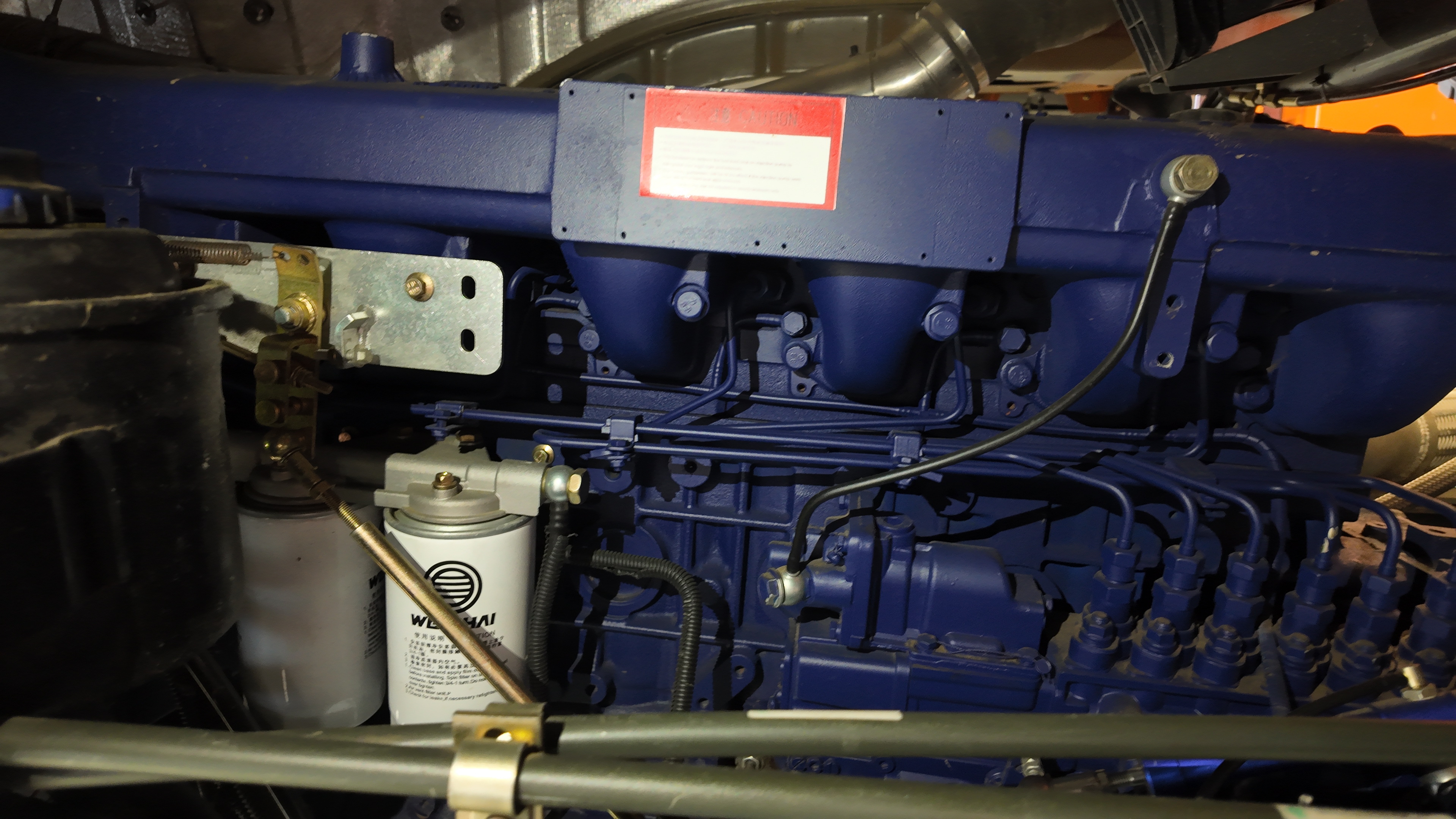
The demand mix favours 6x4 dump trucks in the Howo 371 dump class for mine development and construction works, plus tractors such as the SHACMAN Delong F3000 6x4, the F3000 450hp tractor and the HOWO TX 371 for concentrate, cathode and general freight. Zambia drives on the left, so right-hand-drive configuration joins the ZRA duty and age-limit checks set out in the Zambia import guide. On shipping, the December peak-season surcharges tracked in the November freight update reward early booking inside the Q4 RoRo window, and after-sales exposure should be covered by the warranty terms in our after-sales checklist before any deposit moves.