
Guinea Bauxite Haulage 2026: Kamsar Rails, Roads and Truck Demand
Guinea shipped a record 182.8 million tonnes of raw bauxite in 2025, up about 25 percent, and kept growing in 2026. Rails and barges move the ore, but roads, workshops and refinery construction run on trucks. Who hauls what around Boke, Kamsar and Dapilon - and why the November-April dry-season window matters.
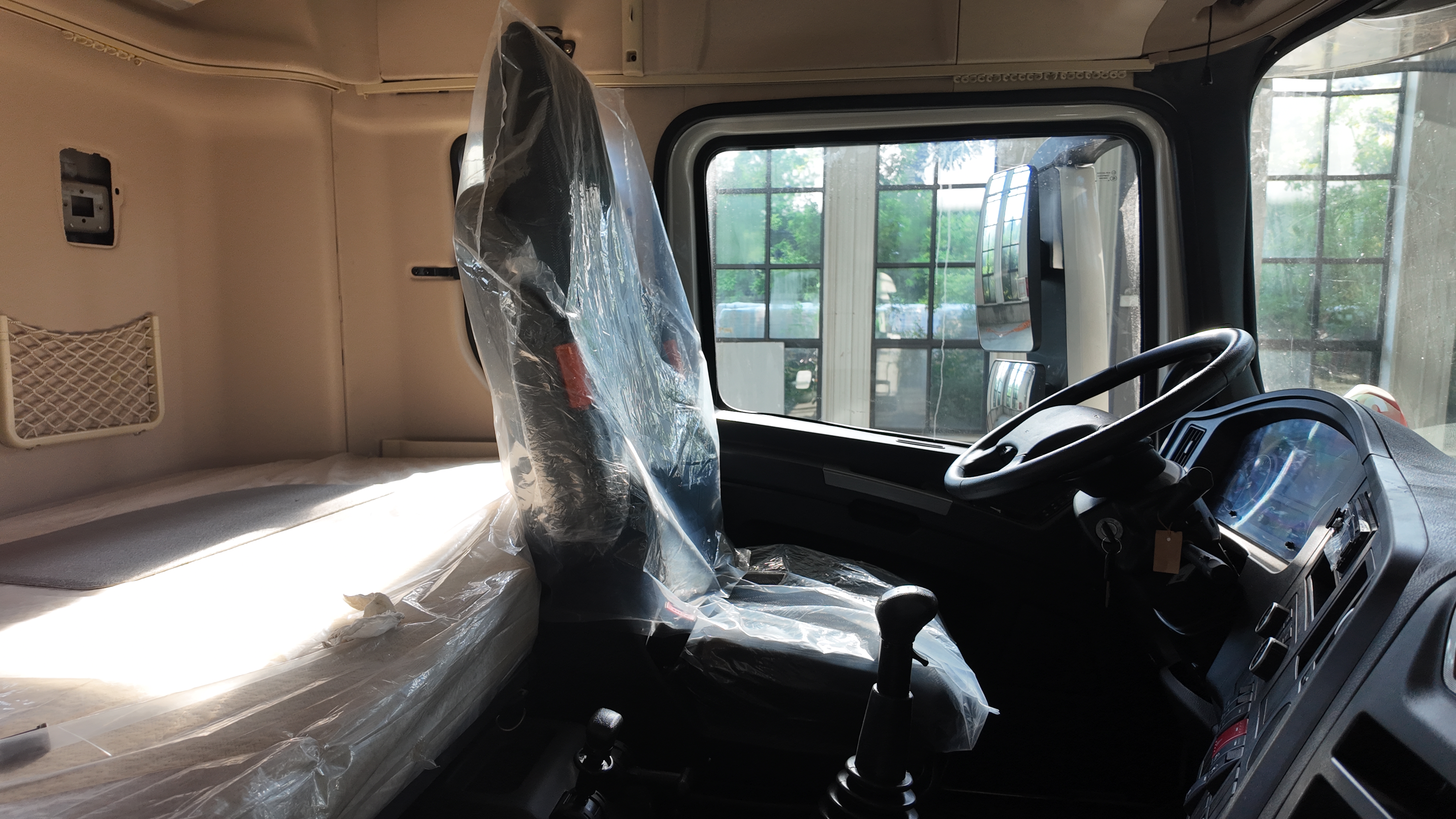
Guinea is the world biggest bauxite exporter and 2025 was a record year: 182.8 million tonnes of raw ore shipped, up about 25 percent on 2024, with roughly three quarters of it going to China (mines ministry data reported by Reuters and presented at a Conakry forum in October 2026). The momentum carried into 2026 - 114.8 million tonnes in the first half alone, and an official 53.89 million tonnes in Q2 on about 340 vessels. Our Guinea import guide covers the rules and the Simandou iron-ore ramp-up; this piece stays on the bauxite belt and asks a narrower question: in a corridor built on railways and barges, where does truck demand actually come from - and how does it sit inside the three-corridor system that feeds landlocked West Africa?
Rails and barges move the ore - trucks move everything else, and some ore too
The spine of the belt is rail. CBG hauls from Sangaredi to Kamsar on a railway of about 135 kilometres, Nimba Mining Company runs an 86-kilometre shared line, and SMB has connected its Santou and Houda deposits to the Dapilon terminal since 2021. At the coast the ore often changes vehicle anyway: barges carry it some 40 kilometres to deepwater transshipment areas, where floating cranes load bulk carriers of nearly 180,000 tonnes. But roads are not a sideshow. On 4 November 2026 NMC signed with the mining infrastructure agency ANAIM to use the 56-kilometre mining road to Dapilon, joining SMB, CDM and Ashapura on the shared road - an explicit rail alternative. And at fleet scale, trucking bauxite is a decade-old business: the UMS partnership with Renault Trucks has delivered more than 600 trucks since 2016, keeps about 350 Renault K units active on bauxite haulage, runs each truck past 190,000 kilometres a year and staffs workshops with more than 150 mechanics on three shifts (company-reported figures). That is the operating benchmark haulage contractors in Boke are judged against.
Laterite, washboard and a 2,000-millimetre rainy season
Then there is the road itself. The RN3 between Dubreka, Boffa and Boke - once the country best road - has degraded badly under constant heavy traffic; drivers report a 4x4 needing about four hours to cover under 20 kilometres on the worst Khorira-Tanene stretch in the rains, while the Boke-Sangaredi section stays in good shape (reported). Western Guinea laterite roads corrugate into washboard, silica-rich dust eats air filters, and the May-to-October rains bring more than 2,000 millimetres (reported). The practical translation for spec: reinforced suspension and axles, serious filtration and cooling packages, and a spares plan sized for the season - our after-sales guide and West Africa parts map cover the checklist. Timing is just as practical: the November-to-April dry season is when heavy haulage actually moves, so buyers who land and mobilize units in this window - like now - lose fewer days than those who discover the calendar in June.
Who is buying, and for what
The demand map has three rings. Ring one is mine logistics: contractors running dump trucks for overburden and aggregate, fuel tankers, water trucks and service fleets on the mining roads - dump work at this spec is the territory of units like our HOWO 6x4 400hp dump truck, and port feeding plus corridor freight pull tractors such as the Shacman F3000 450hp tractor. Ring two is the construction wave: the SMB-Winning consortium is pushing a 3-billion-dollar plan that includes a 135-kilometre railway and a planned alumina refinery (reported), Chalco has started a 1.2-million-tonne alumina refinery at Boffa (reported), and the state targets five to six refineries by 2030 - each one means years of aggregate, cement and equipment haulage. Even the shipping side is stirring: a Cape Verga deepwater port proposal with a 160-kilometre railway was put to the government in September 2026 (reported, not yet approved). Ring three is replacement demand after consolidation: the 2025 revocation of Emirates Global Aluminium GAC concession suspended a reported 43.5 million tonnes a year of export capacity and passed the assets to state-backed NMC, with a settlement announced in May 2026 - suspended capacity that later reactivates means fleets must be rebuilt.
Discipline before the deal
Keep the budget honest: bauxite prices have softened to around 38-39 dollars per dry tonne while fuel and freight costs rise (reported), so haulage contracts are tight - quote total operating cost, not the lowest FOB. Guinea runs the ECOWAS duty stack with Conakry-specific rules, all detailed in the guide above, and vehicle-age rules sit in our comparison table. Neighbors matter for transit and demand: Burkina Faso and Mali route through the same coastal gateways (Burkina Faso guide, Mali guide), and the same demand-side method applied to Ghana mining haulage, Mauritania mining haulage and Cote d'Ivoire truck demand works here. Bauxite made Guinea the largest greenfield truck market in West Africa - the ore rides rails, but the belt runs on trucks.